Ministry of Health and Population · Arab Republic of Egypt
Ministry of Health and Population100 Million Healthy Lives initiative
العربيةEnglishFrançais
InitiativesAll initiativesElderly Health Care Initiative"Our Children's Eyes, Our Future" InitiativeWomen's Health Support InitiativePremarital ScreeningCare for Children with Diabetes InitiativeMaternal and Fetal Health CareEarly Detection and Treatment of Cancer InitiativeInitiative for Early Detection and Treatment of Hearing Loss in NewbornsInitiative for Treating Children with Spinal Muscular AtrophyScreening and Treatment of Malnutrition among SchoolchildrenScreening and Treatment of Chronic Diseases and Early Detection of Kidney DiseaseEarly Detection of Genetic Diseases in NewbornsMental Health Support Initiative ("Your Health Is Happiness")Initiative for Mental Health Support and Early Intervention for Autism Spectrum DisordersThe Golden 1,000 Days Initiative for the Development of the Egyptian Family100 Days of Health
Health unitsAwarenessMedia centrePress releasesDocumentsFAQContact us
Screening and early detection

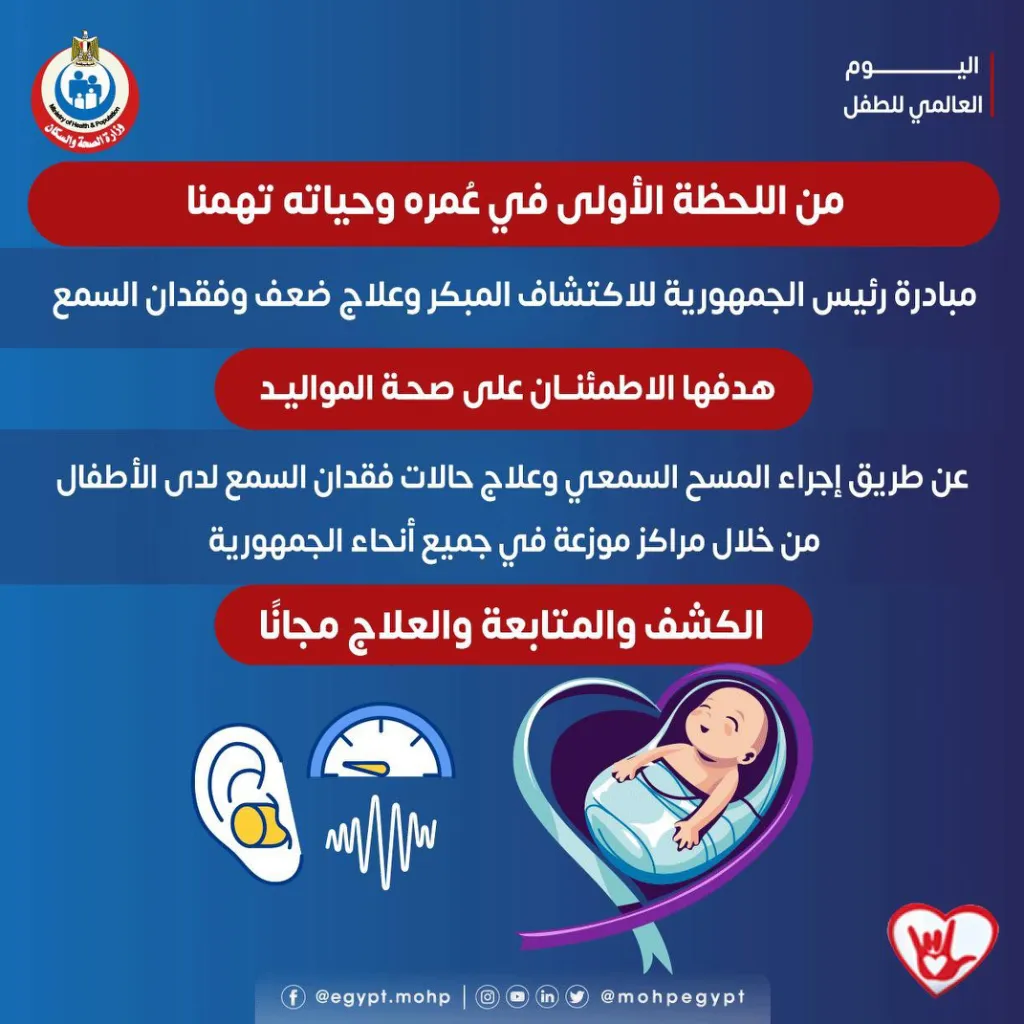
Initiative for Early Detection and Treatment of Hearing Loss in Newborns

Hearing screening for newborns

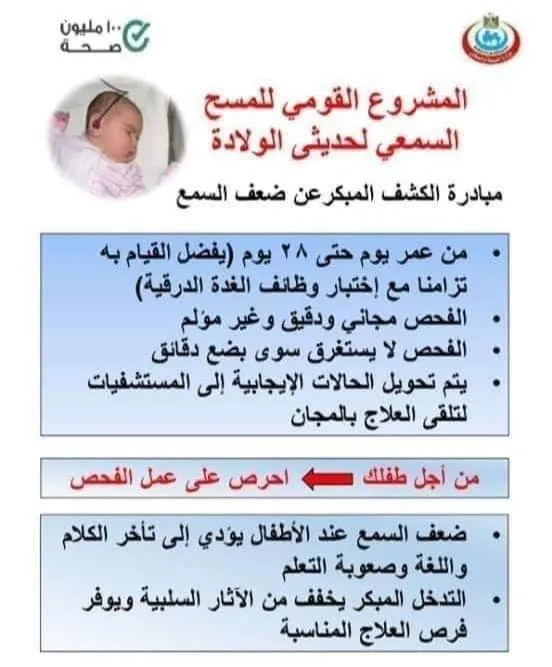
AudienceNewborns from 1 to 28 days old
Costمجاني بقيد — Free (cochlear implants covered for the insured)
Service locationPrimary health care units + some hospitals
Hotline15335

Initiative impact

Last updated: 5 November 2026

September 2019Start date
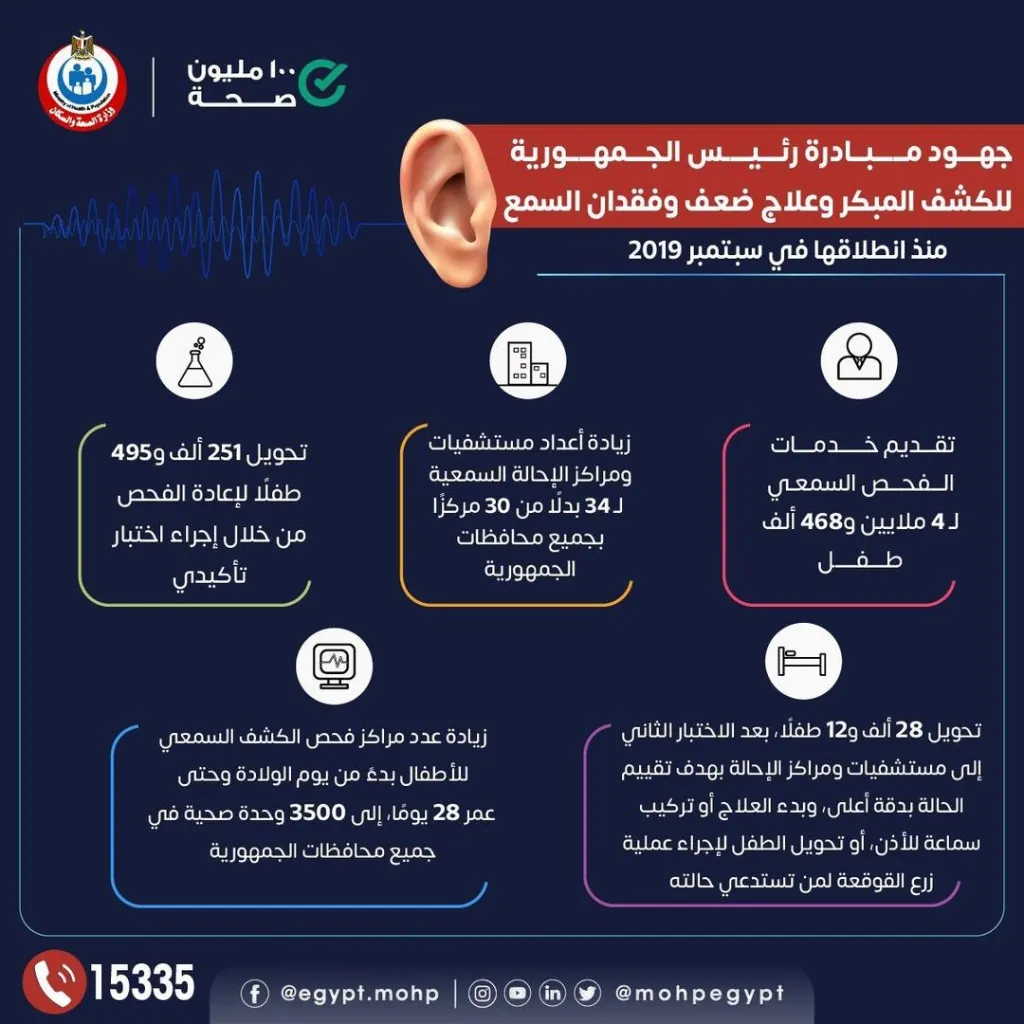
Newborns screened
Cases treated
Who is it for

Who benefits

Age

up to 28 days

Sex

Male and female

Nationality

المصريون والأجانب المقيمون

What the initiative offers

Services provided

01

Newborn hearing screening

  • A quick and painless test
  • Within the first 28 days
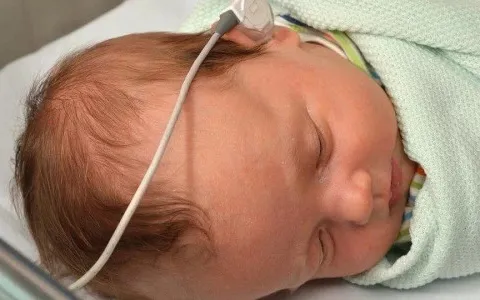
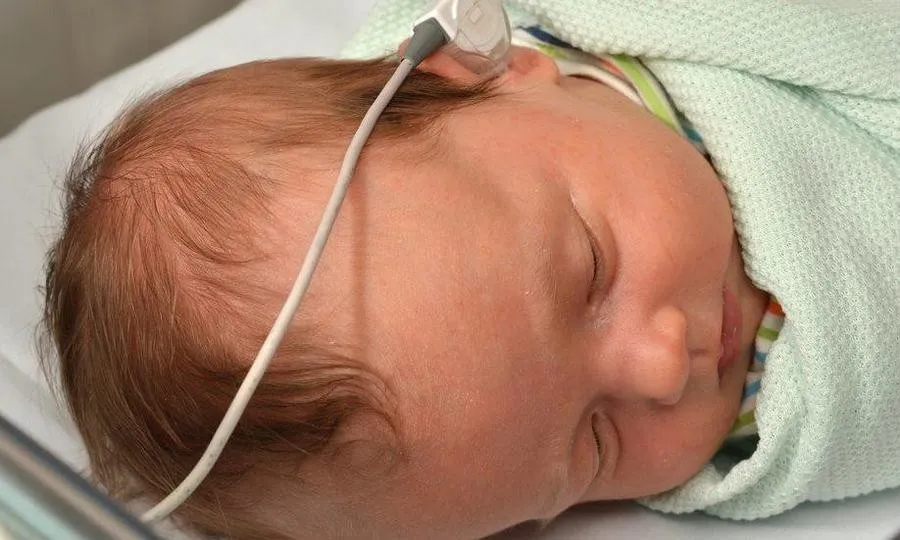
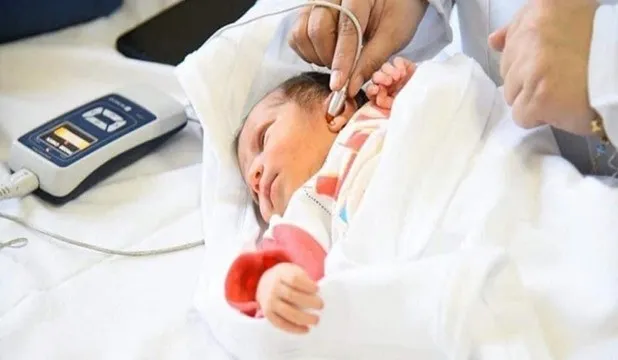
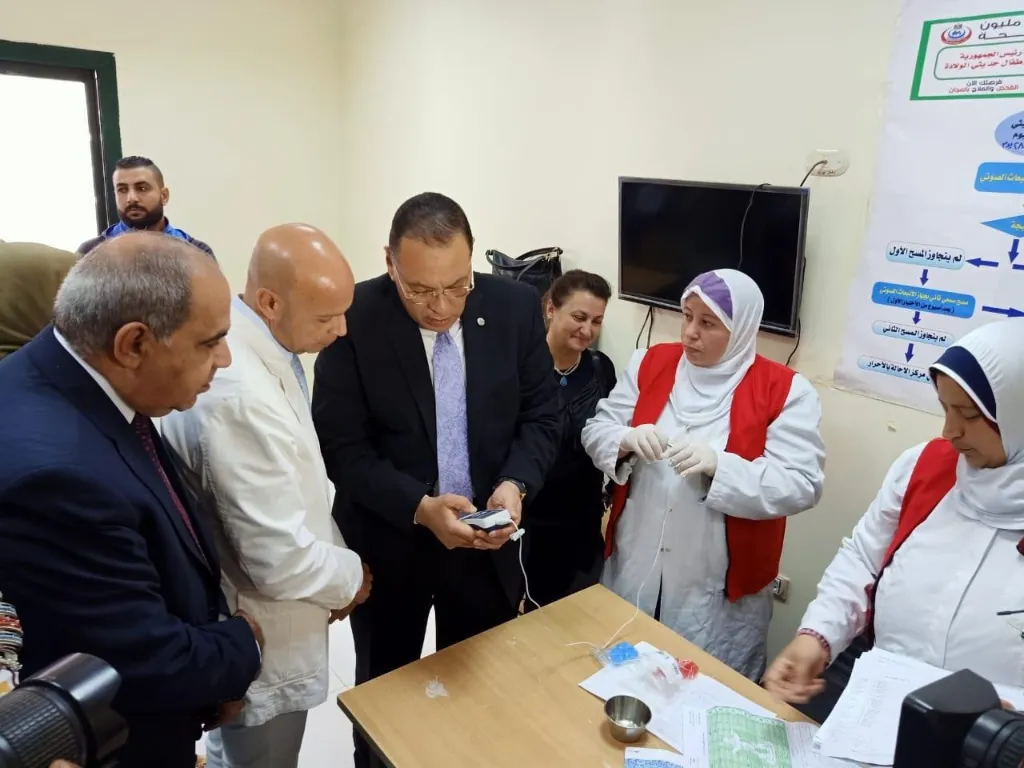
  • The screening is first done in most health units and centers using an (otoacoustic emissions) device
  • Except for babies admitted to incubator units, who are screened after discharge
02

Re-screening and diagnosis

  • For cases that did not pass the screening
  • Advanced diagnosis
03

Treatment and rehabilitation

  • Hearing aids
  • Cochlear implant
  • Speech rehabilitation
How to benefit

How to get the service

  1. 1

    Newborn hearing screening within the first 28 days

  2. 2

    Repeat screening if the baby does not pass

  3. 3

    Advanced diagnosis

  4. 4

    Hearing aids or cochlear implant, and rehabilitation

Service locations and hours

Find the nearest primary care unit that offers the service, and its working hours.

Nearest unit offering the service

What to bring

  • The child's birth certificate
  • The mother's or father's ID card

After the screening

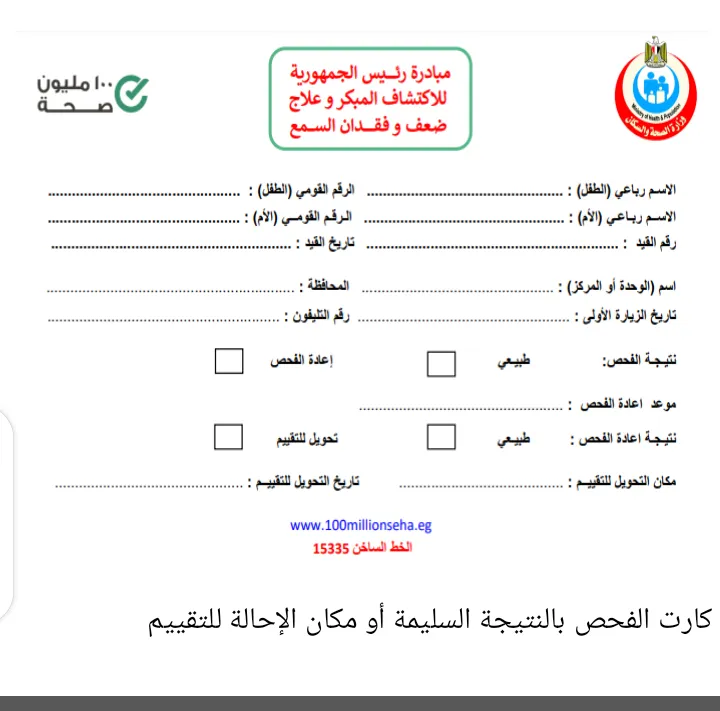
If the child's hearing is normalThe screening is completed and the parents are given a card with the screening result
If the child's result is not normalAnother appointment is scheduled one week later to repeat the test
If the second screening result is normalThe screening ends, its result is recorded electronically, and the parents are given the card
If the second screening result is not normal:The child is referred to the nearest referral hospital, and the parents are given a card showing the test result and the booking number
If the child has a problem:using the advanced equipment at the referral hospital, the child is referred to health insurance or the Healthcare Authority after being presented to a specialized committee for review and approval, and (medication, hearing aids), surgical intervention or a cochlear implant operation is provided
Awareness

Information for you

All awareness content
What risk factors can lead to hearing loss in children?ArticleInitiative for Early Detection and Treatment of Hearing Loss in Newborns

Consanguineous marriage (marriage between relatives), a family history of hearing loss, premature birth or complications during delivery, recurrent ear infections, lack of oxygen during delivery, admission to the neonatal incubator unit, and congenital malformations of the head and face. These children are followed up specifically until the age of one year through referral hospitals.

World Hearing Day – 60% of hearing loss cases in children can be preventedArticleInitiative for Early Detection and Treatment of Hearing Loss in Newborns

Through: • Vaccination against rubella and meningitis • Improving maternal and newborn care • Detecting middle ear infections and providing treatment early

Presidential Initiative for the Early Detection and Treatment of Hearing Impairment and Loss in Newborns – 15335

1- Causes of hearing impairmentArticleInitiative for Early Detection and Treatment of Hearing Loss in Newborns

Noise exposure: Long-term exposure to noise may be one of the causes of hearing impairment. Those most at risk are factory and machine workers who deal with noise every day, so wearing earplugs and taking a short break from the noise every now and then is recommended.

Head injuries and accidents: Accidents or head injuries may damage the eardrum or the middle ear bones, causing conductive hearing loss, and the injury may be severe enough to involve the inner ear, including the cochlea, causing total hearing loss.

Some medicines: Some medicines can be among the causes of hearing impairment, most often antibiotics or cancer drugs, so monitoring your hearing is recommended when using any of these drugs. Frequent use of aspirin and acetaminophen also increases the chance of hearing impairment or loss, but the effects soon disappear once you stop taking them.

Chronic diseases: Some chronic diseases can cause hearing impairment even if they are not related to the ear, such as diseases that impede blood flow to the middle ear and the brain, heart disease, high blood pressure, diabetes and autoimmune diseases.

FAQ

Initiative questions

All questions
Who is the target group of the Newborn Hearing Screening initiative?

All newborns from 1 day up to 28 days old, and screening is allowed up to a maximum age of 3 months. Older children can be screened on a goodwill basis, with abnormal cases included in the initiative. Babies with risk factors are given special follow-up until the age of one year.

When is the child referred to the referral hospital in the Hearing initiative? And what happens there?

The child is referred if they fail the screening twice in a row, for more detailed tests including: a middle ear examination, computerized hearing measurement, and a comprehensive assessment. Based on the results, the course of action is decided: medication and follow-up, hearing aids for moderate to severe hearing loss, or a recommendation for a cochlear implant for very severe loss that does not benefit from hearing aids.

Which governorates provide the Hearing initiative services? And where is the nearest location?

The service is provided in all governorates of Egypt at health units and some hospitals, and you can find the nearest unit on the 100 Million Healthy Lives website or via the hotline 15335.