Ministry of Health and Population · Arab Republic of Egypt
Ministry of Health and Population100 Million Healthy Lives initiative
العربيةEnglishFrançais
InitiativesAll initiativesElderly Health Care Initiative"Our Children's Eyes, Our Future" InitiativeWomen's Health Support InitiativePremarital ScreeningCare for Children with Diabetes InitiativeMaternal and Fetal Health CareEarly Detection and Treatment of Cancer InitiativeInitiative for Early Detection and Treatment of Hearing Loss in NewbornsInitiative for Treating Children with Spinal Muscular AtrophyScreening and Treatment of Malnutrition among SchoolchildrenScreening and Treatment of Chronic Diseases and Early Detection of Kidney DiseaseEarly Detection of Genetic Diseases in NewbornsMental Health Support Initiative ("Your Health Is Happiness")Initiative for Mental Health Support and Early Intervention for Autism Spectrum DisordersThe Golden 1,000 Days Initiative for the Development of the Egyptian Family100 Days of Health
Health unitsAwarenessMedia centrePress releasesDocumentsFAQContact us
Screening and early detection

Early Detection of Genetic Diseases in Newborns

Genetic disease screening for newborns

AudienceNewborns (starting with those admitted to intensive care) · within the first 72 hours after birth
CostCompletely free
Service locationHospital critical care units
Hotline15335

Initiative impact

Last updated: 9 November 2026

July 2021Start date
Newborns screened
Who is it for

Who benefits

Age

up to 72 hours

Sex

Male and female

Nationality

المصريون والأجانب المقيمون

What the initiative offers

Services provided

01

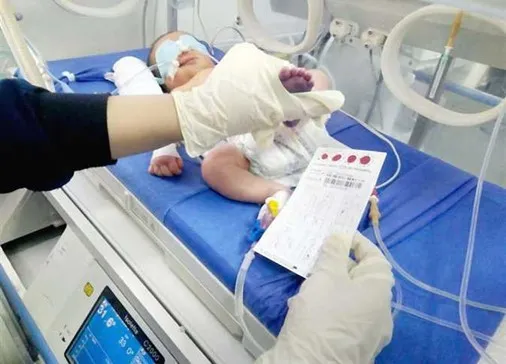
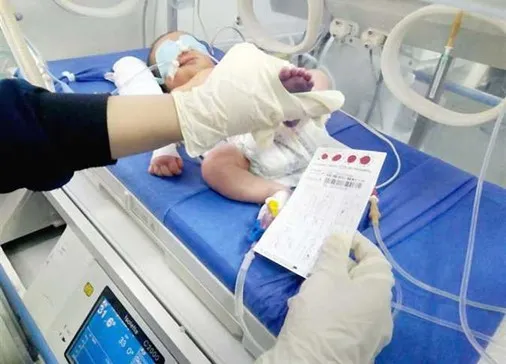
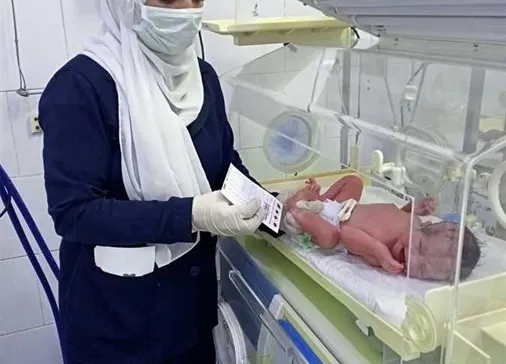
Heel-prick test

  • A small blood sample from the newborn
  • A test for a number of genetic diseases
  • The sample is analyzed in the laboratories of the Egyptian Center for Disease Control and Prevention
02

Reporting results

  • Contacting the family when the result is positive
03

Treatment and follow-up

  • Referral for treatment
  • Long-term follow-up
How to benefit

How to get the service

  1. 1

    Taking a heel-prick sample from the newborn

  2. 2

    Analyzing the sample

  3. 3

    Contacting the family if the result is positive

  4. 4

    Treatment and follow-up

Service locations and hours

Find the nearest primary care unit that offers the service, and its working hours.

Nearest unit offering the service

What to bring

  • The child's birth certificate

After the screening

Positive result: the family is contacted and the child is referred for treatment
Negative: nothing is needed
If the sample is positive, the child is referred for a confirmatory test for the disease and then starts receiving the necessary treatment according to the protocols set by the initiative's scientific committee
Awareness

Information for you

All awareness content
Presidential Initiative for the Early Detection of Genetic Diseases in Newborns – covered diseasesArticleEarly Detection of Genetic Diseases in Newborns

• Congenital hypothyroidism • Congenital adrenal hyperplasia • Favism • Cystic fibrosis • Familial hyperlipidemia • Phenylketonuria • Tetrahydrobiopterin deficiency • Organic acidemia • Isovaleric acidemia • Propionic acidemia • Methylmalonic acidemia • Maple syrup urine disease • Tyrosinemia "type 1" • Galactosemia • Homocystinuria • Argininemia • Citrullinemia • Ornithine transcarbamylase deficiency • Fatty acid oxidation • Biotinidase deficiency – 15335

The importance of early diagnosis of genetic diseasesArticleEarly Detection of Genetic Diseases in Newborns

• Limiting their complications • Limiting disability • Limiting costs and easing the burden on the family – 15335

For the safety of our childrenArticleEarly Detection of Genetic Diseases in Newborns

Diseases are diagnosed before symptoms appear in premature babies, as part of the services provided by the Presidential Initiative for the Early Detection of Genetic Diseases in Newborns – 15335

FAQ

Initiative questions

All questions
What happens if the sample is collected late?

Delay in collecting the sample from the newborn's heel delays the diagnosis of babies with genetic diseases and means they do not receive the appropriate treatment, which causes intellectual disability in the child

A baby with the disease must receive treatment within 15 days of birth

When a genetic disease is detected early in one family member

The rest of the family members are screened to protect them in the long term and prevent the spread of the diseases, as part of the Presidential Initiative for the Early Detection of Genetic Diseases in Newborns

How do I register in the Newborn Genetic Diseases initiative?

There is no prior registration and no need to go anywhere to get the service — premature babies in incubators at the hospitals providing the service are screened automatically, without a request.