
During his inspection of medical facilities in Qena.. Assistant Minister of Health: We count on the human factor for the success of the health system.
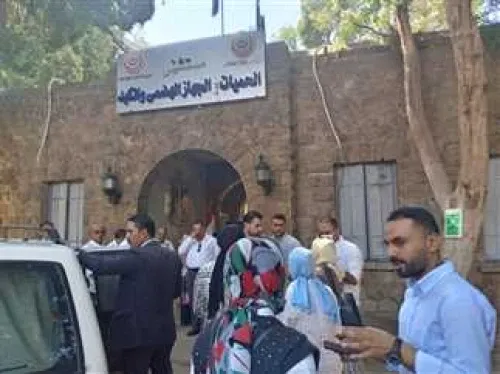
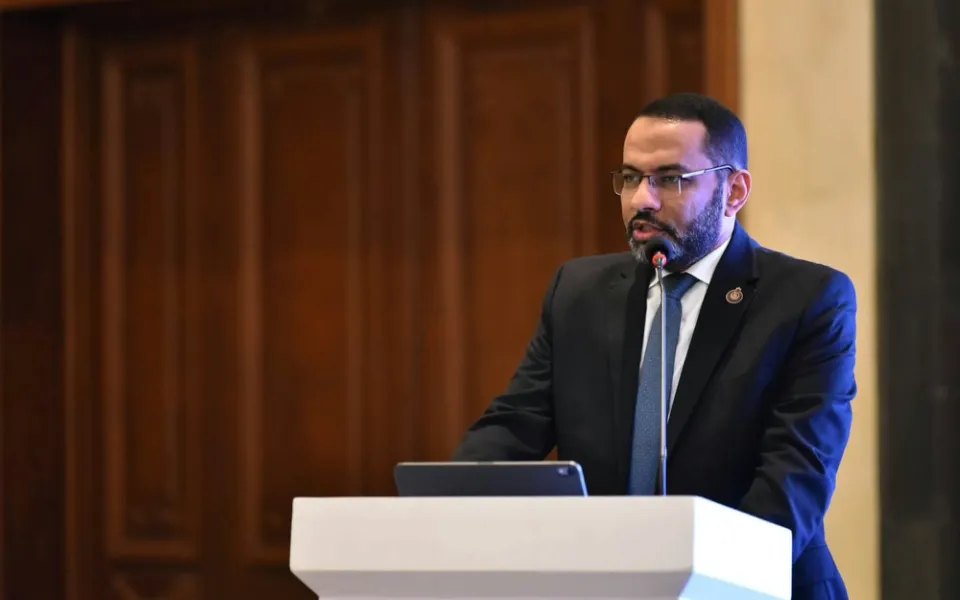
Dr. Mohamed Hassany, Assistant Minister of Health and Population for Public Health Projects and Initiatives, conducted over two days a tour of a number of medical facilities in Qena Governorate, accompanied by an expanded team from the Ministry's follow-up teams.
Dr. Ahmed Mahmoud Sadek, Undersecretary of the Ministry of Health in Qena, explained in a statement that the Assistant Minister's tour began with an inspection of the El Darb unit in Nag Hammadi, where he reviewed the delivery of the presidential initiatives, the availability of medicines in the pharmacy, the unit's patient attendance, the dental clinic, laboratory services, the health office and the extent of health care provided within the unit.
He continued: The Assistant Minister also inspected the health center in Nag Hammadi and reviewed the delivery of the premarital screening initiative, the counseling room and the infant formula dispensing system, its availability and its dispensing to eligible citizens
He went on: In Nag Hammadi, he inspected the Nag Hammadi Fever Hospital, where he visited the reception department and checked the availability of emergency medicines there. He also inspected the hospital's inpatient departments of pediatrics, internal medicine and fevers, and reviewed the intensive care unit, its patients, the treatment protocols provided there and the extent to which medical care is provided to patients. He also inspected the dialysis department, the radiology department, the outpatient pharmacy and the laboratory.
During his tour of Nag Hammadi, he inspected the medical services provided at Nag Hammadi General Hospital, where he reviewed the reception department, the availability of emergency medicines and medical supplies, and how quickly the medical teams in reception deal with incoming cases. He also inspected the artificial kidney department, the operation of the dialysis machines, the dialysis cycle for patients and the medical care provided to them, the intensive care unit and its patients and whether they receive the necessary health care, in addition to inspecting the incubators and premature babies department, the operation and efficiency of the equipment and the extent to which medical staff are trained to deal with children's cases. He also inspected the blood bank, the availability of its various blood groups and the efficient operation of the laboratory equipment, and reviewed the ophthalmology department, the operations performed there and the department's operating rates
He went on: On his second day, the Assistant Minister continued his inspection with the Sidi Omar unit in Qena city, where he followed up on the registration of incoming health cases and the accuracy of recording patients' medical history. He also reviewed the attendance of the dental clinic and the availability of the clinic's medicines and supplies, and inspected the audiology clinic and the accuracy of the medical team in conducting hearing screening for children
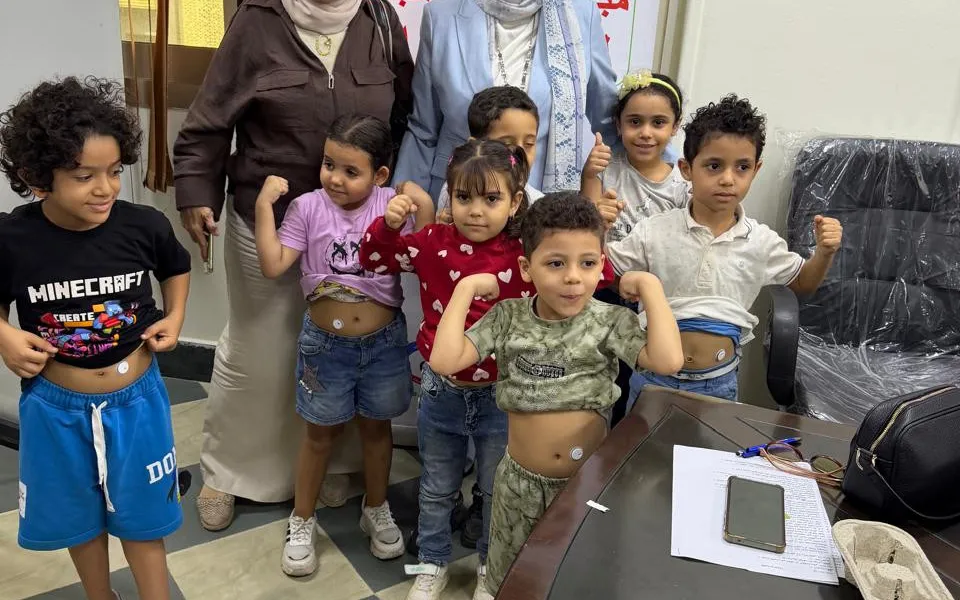
He reviewed the laboratory, the medical tests performed there, the laboratory's policies and the medical team's familiarity with those policies, and discussed with the team the medical tests performed in the unit, the maintenance and calibration plan for those devices, the presidential initiatives delivered within the unit, the accuracy of registration and follow-up of cases and the rates of referral to neighboring hospitals, along with a review of how thyroid samples are taken from children
The Assistant Minister continued his tour by inspecting Qena Fever Hospital, where he inspected the intensive care unit and its patients, the treatment protocol for each patient, the operation of the intensive care equipment, the treatment plan provided to each patient and the extent of implementation of
physiotherapy sessions for patients in the unit. He also reviewed the endoscopy unit and the endoscopy services provided there, directing that a training plan be drawn up for fever doctors to raise their competence.
The Assistant Minister continued his extensive tour by inspecting Abu Tesht Central Hospital, where he inspected the reception and emergency department, the laboratory, the hospital's radiology department and the availability of medicines in the pharmacy.
He followed up on the incubators department, the operation and efficiency of the incubators and their occupancy rates, and reviewed the various departments of the hospital, the presence of medical and nursing staff in them and the health care provided to each patient
During his extensive tour of the governorate, Dr. Mohamed Hassany, the Assistant Minister, inspected Qena General Hospital to review its curative services, including reception, intensive care, incubators, dialysis, the endoscopy unit, the pediatrics department
and the obstetrics and gynecology department.
The Assistant Minister concluded his tour by holding an expanded meeting that brought together all the directors of the technical departments of the Directorate and the Ministry's supervision teams, during which he reviewed the most important observations recorded during the visits of the supervisory teams, the shortcomings identified and the ways to remedy them
He pointed out that the health sector faces major challenges, particularly in the governorates of Upper Egypt, stressing that the Ministry counts on the human factor as the most important and prominent element of success in the health system. He affirmed the constant communication between the Ministry and the Directorate, noting that the Ministry always strives for development and modernization, and that the work team must always work with enthusiasm to serve citizens, as they are the Ministry's first priority in its constant endeavor to provide them with appropriate health care