
For the third consecutive year.. Egypt chairs the UN Group of Friends for the Elimination of Hepatitis
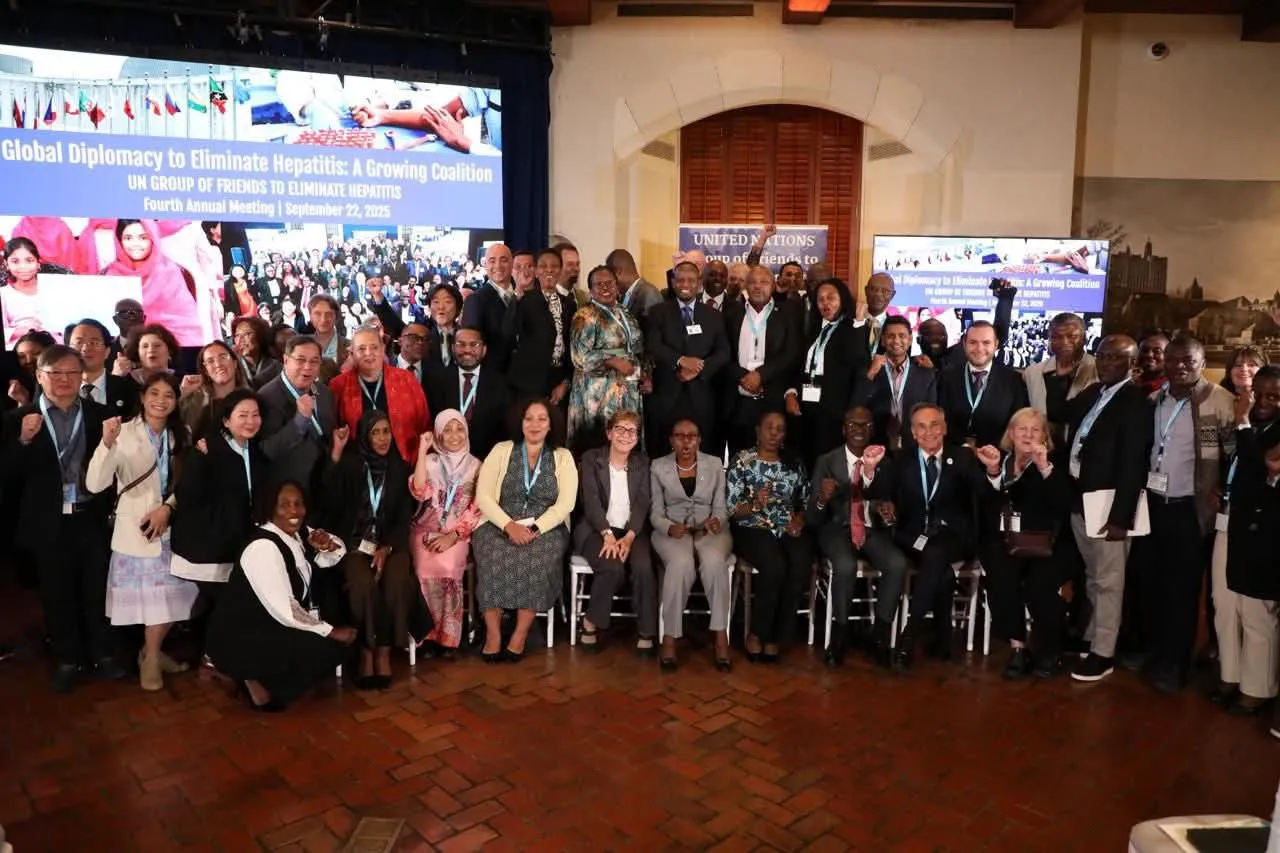
For the third consecutive year.. Egypt chairs the UN Group of Friends for the Elimination of Hepatitis
The Egyptian Ministry of Health and Population took part in the fourth annual meeting of the UN Group of Friends for the Elimination of Hepatitis, held on the sidelines of the United Nations General Assembly meetings in New York from 22 to 30 September 2025.
Dr. Hossam Abdel Ghaffar, Official Spokesperson of the Ministry of Health and Population, stressed that Egypt's continued chairmanship of the group for the third year reflects its global leadership and outstanding expertise in combating hepatitis viruses, and highlights the international community's confidence in the successful Egyptian experience.
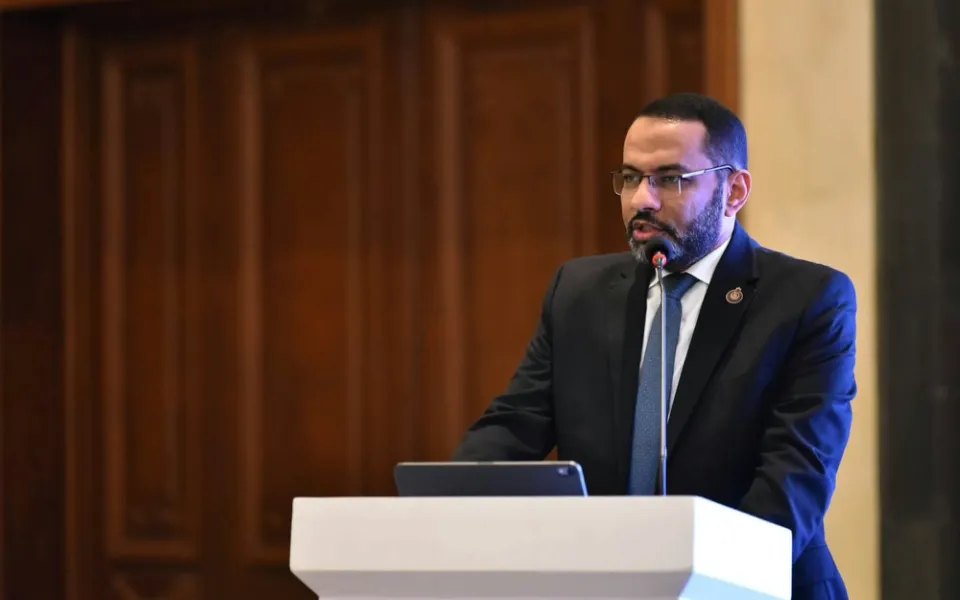
On behalf of Dr. Khaled Abdel Ghaffar, Deputy Prime Minister and Minister of Health and Population, Dr. Mohamed Hassany, Assistant Minister for Public Health Projects and Initiatives, delivered Egypt's speech, pointing to the group's success over the past three years in placing the issue of hepatitis and liver cancer within global discussions on universal health coverage, non-communicable diseases and the Sustainable Development Goals, reflecting the strength of the group's collective advocacy and diplomatic influence.
Hassany explained that hepatitis still poses a global challenge, claiming the lives of more than one million people annually, while millions of infected people remain undiagnosed or untreated. He stressed that eliminating this disease is not merely a health priority, but a global moral duty.
He called for a practical roadmap for the next phase, based on four main pillars: first, strengthening global political commitment by calling for a high-level meeting on hepatitis at the United Nations; second, integrating efforts to eliminate the disease into the broader frameworks of non-communicable diseases and the Sustainable Development Goals; third, mobilizing sustainable financing and building innovative partnerships with international institutions and the private sector; and finally, strengthening regional and international cooperation to ensure the availability of tools and knowledge and to enhance solidarity among countries.
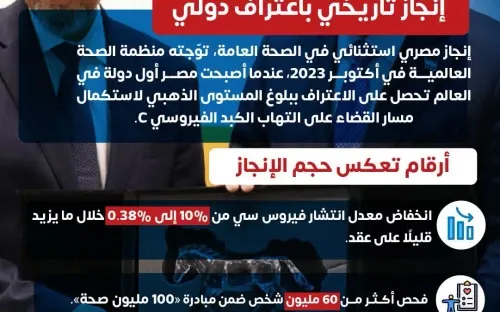
He also reviewed the pioneering Egyptian experience in eliminating the "C" virus, as Egypt succeeded in screening more than 60 million citizens and providing free treatment to millions, reducing the prevalence of the disease to levels approaching its complete elimination, making Egypt the first country in the world to receive the gold certification from the World Health Organization for being free of the virus.
He concluded by stressing that "the UN Group of Friends has become a global diplomatic force capable of turning the dream of eliminating hepatitis into a tangible reality, not just a small circle of advocates".