
On the sidelines of the UN General Assembly meetings, the Ministry of Health takes part in a UN meeting on early detection and cancer control efforts
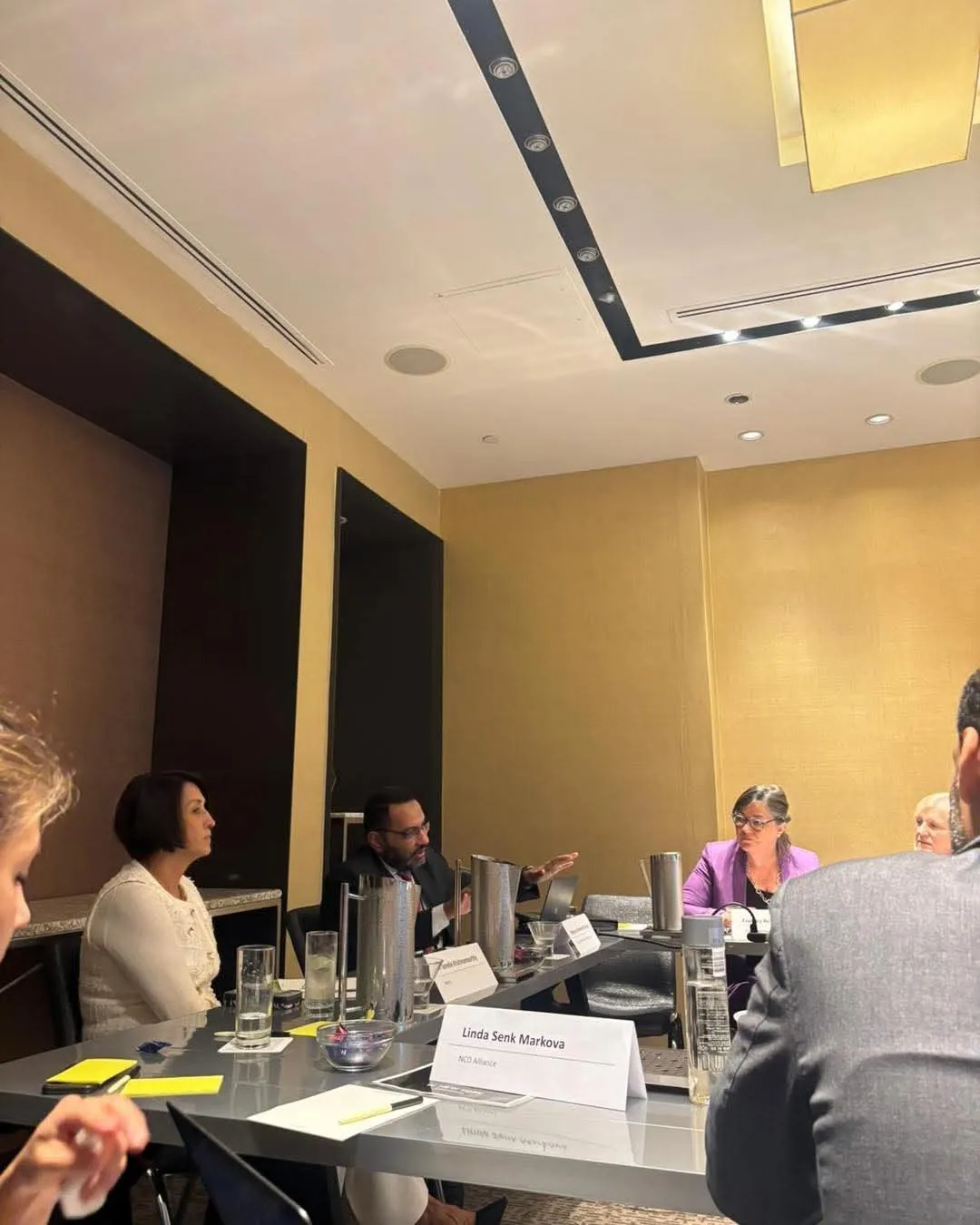
On the sidelines of the United Nations General Assembly meetings..
The Ministry of Health takes part in a UN meeting on early detection and cancer control efforts
The Ministry of Health and Population took part in a side event on national initiatives for the early detection of cancer and women's health, held on the sidelines of the 80th session of the United Nations General Assembly in New York from 22 to 30 September 2025, with the participation of representatives of member states, United Nations organisations and a number of international partners.
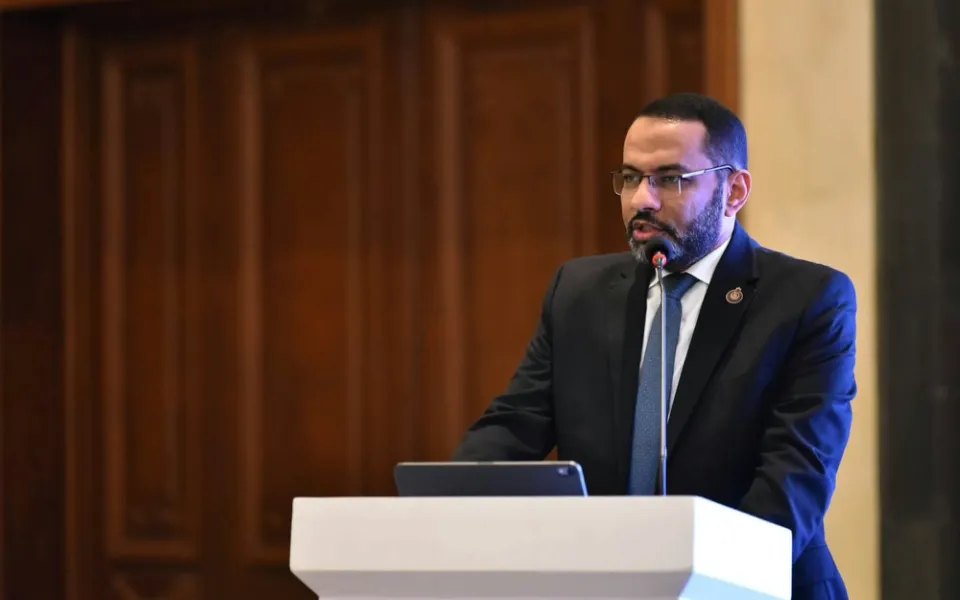
Dr. Hossam Abdel Ghaffar, the Ministry's official spokesperson, explained that Dr. Mohamed Hassany, Assistant Minister of Health for Projects and Public Health Initiatives, delivered Egypt's speech on behalf of Dr. Khaled Abdel Ghaffar, Deputy Prime Minister and Minister of Health and Population. Hassany reviewed Egypt's pioneering experience in promoting women's health and reducing the burden of cancer through comprehensive presidential initiatives.
Dr. Mohamed Hassany noted that the Presidential Initiative for Women's Health, launched by President Abdel Fattah El-Sisi in 2019, has screened more than 22.9 million women, with a total of 62.7 million medical visits, relying on clinical examination as the main tool for early detection. More than 3,700 health units and 12 mobile units equipped with mammography and ultrasound machines were provided to reach remote areas, in addition to upgrading 120 radiology machines and improving the efficiency of 22 pathology laboratories to support diagnostic and treatment services.
He added that the initiative has trained more than 30,000 medical staff on the latest diagnostic and treatment protocols and has contributed to detecting 5,335 cases of breast cancer, 80.5% of them at early stages, which improves the chances of recovery and reduces mortality rates. The initiative aims to reduce breast cancer deaths by 25% by 2030 and by 40% by 2040.
Dr. Hassany reviewed the Presidential Initiative for the Early Detection and Treatment of Cancer, which covers lung, colon, prostate and cervical cancers, spans more than 3,700 primary care units, and relies on advanced technologies such as low-dose computed tomography (LDCT) for lung cancer, FIT tests for colon cancer, PSA for prostate cancer and HPV for cervical cancer.
He affirmed that these efforts fall within the National Health Strategy 2024-2030, which aims to reduce mortality rates, improve recovery and achieve universal health coverage. He also noted that investing in early detection reduces the economic and social burden by lowering the cost of treatment at late stages and preserving citizens' productivity.
Hassany concluded his speech by affirming Egypt's commitment to sharing its expertise with member states and United Nations organisations, and to strengthening international cooperation to combat cancer and support women's health worldwide, in line with the principle of "health for all and leaving no one behind".