
Under the slogan "As Every Child Grows.. Egypt Grows", the Deputy Prime Minister and Minister of Health attends the 2025 National Day to Combat Stunting celebration
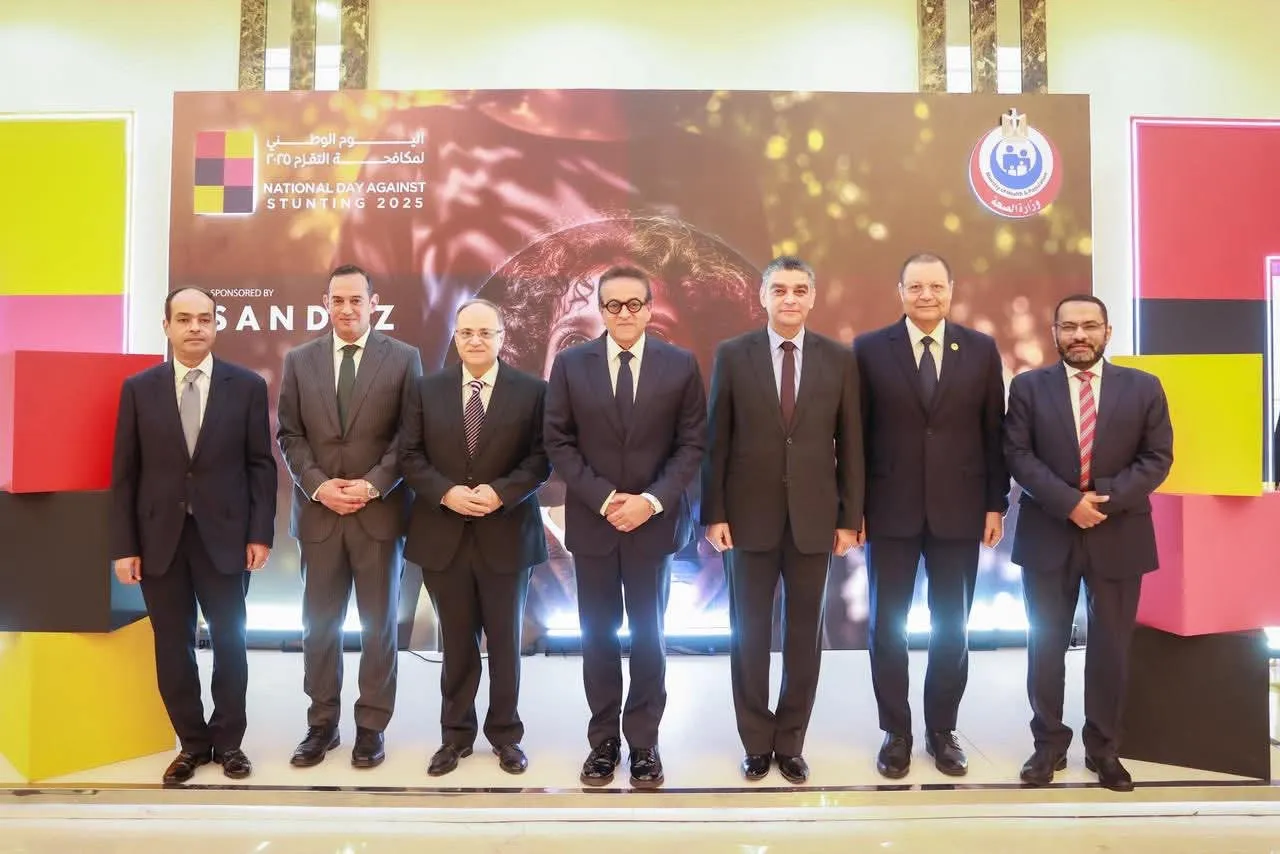
Under the slogan "As Every Child Grows.. Egypt Grows"..
The Deputy Prime Minister and Minister of Health attends the 2025 National Day to Combat Stunting celebration
Dr. Khaled Abdel Ghaffar: 60.5 million screenings conducted for school students under the President's initiative for the early detection of anaemia, obesity and stunting
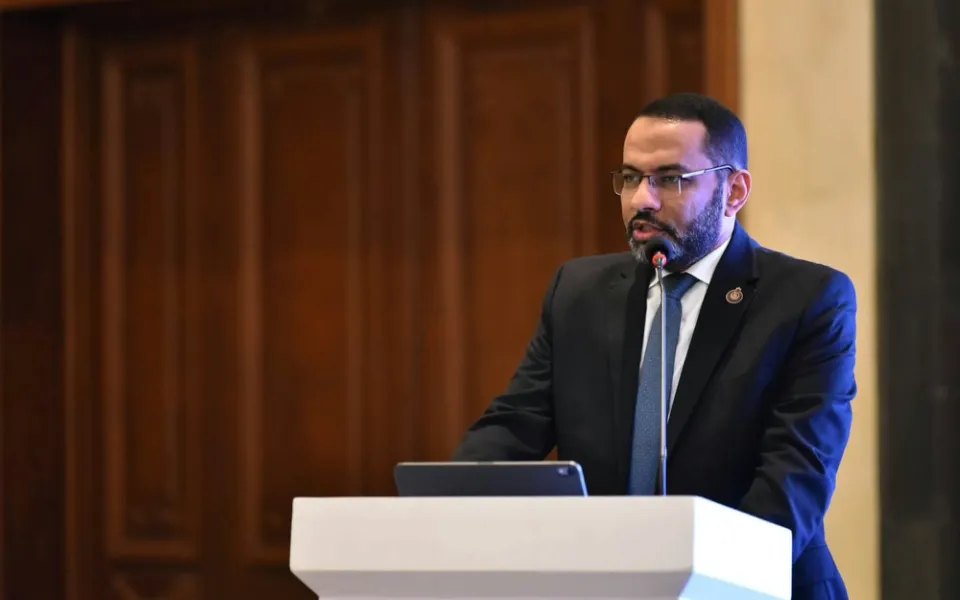
Dr. Khaled Abdel Ghaffar, Deputy Prime Minister and Minister of Health and Population, attended today, Sunday, the celebration of the 2025 National Day to Combat Stunting, under the slogan "As Every Child Grows.. Egypt Grows", to review the efforts and achievements of President Abdel Fattah El-Sisi's initiative for the early detection of anaemia, obesity and stunting among primary school students, and the tangible results it has produced.
This took place in the presence of Dr. Hisham Stait, Chairman of the Egyptian Authority for Unified Procurement, Medical Supply and Technology Management; Dr. Ali El-Ghamrawy, Chairman of the Egyptian Drug Authority; Dr. Ahmed Taha, Chairman of the General Authority for Healthcare Accreditation and Regulation; Dr. Mohamed Latif, Chairman of the Egyptian Health Council; Dr. Ahmed Daher, Deputy Minister of Education and Technical Education; Mr. Mostafa Magdy, Assistant Minister of Youth and Sports; along with a number of leaders of the Ministry of Health and Population.
In his speech, Dr. Khaled Abdel Ghaffar affirmed that this day is not merely a celebration, but an affirmation of the Egyptian State's commitment to its children's right to healthy growth, good education and a decent life, and a clear message to the world that child health is the fundamental pillar of development, construction and the future.
The Minister explained that stunting and chronic malnutrition are not only health challenges but an obstacle to building human capital capable of contributing to the nation's renaissance. In this context, Egypt was among the first countries to confront this challenge with awareness and clear political will, through President Abdel Fattah El-Sisi's launch in 2019 of the Presidential Initiative for the early detection and treatment of malnutrition diseases among schoolchildren, including anaemia, obesity and stunting.
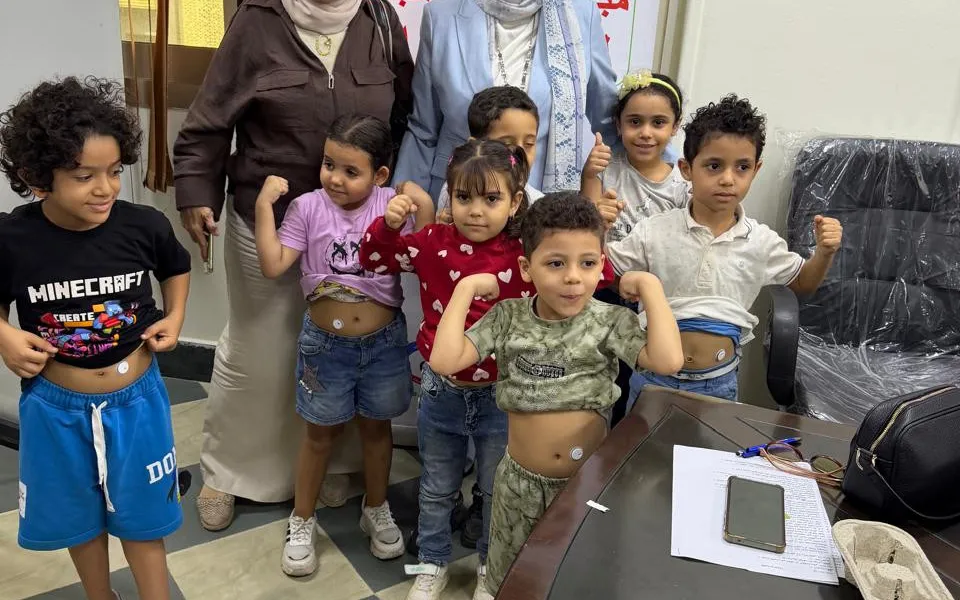
He added that within a few years the initiative has become a national success story and a global model, with 60.5 million screenings conducted for school students, more than 22 million students benefiting, and nearly two million students referred for treatment and continuous medical follow-up through a network of more than 250 health insurance clinics across the governorates.
The Minister noted that the initiative's efforts were not limited to screening and treatment, but extended to raising public awareness of the dangers of malnutrition and its negative impact on children's health and future, stressing the vital role of the National Nutrition Institute in educating Egyptian families.
He affirmed that the State places investment in human capital and citizens' health at the heart of its priorities, as reflected in the launch of the National Strategy for Food Systems and Nutrition (2023-2030), which is aligned with Egypt Vision 2030 and the global Sustainable Development Goals.
At the end of his speech, the Deputy Prime Minister and Minister of Health stressed that confronting health challenges requires collective action and concerted efforts, extending his thanks to all partner bodies and medical teams that contributed to this national achievement, which represents a new step towards building a healthier and more prosperous future for Egypt's children.
For his part, Dr. Mohamed Hassany, Assistant Minister of Health and Population for Projects and Public Health Initiatives, affirmed that Egypt has achieved an unprecedented accomplishment in confronting malnutrition diseases among schoolchildren, with stunting rates falling from 7% in 2019 to 4% in 2025, obesity rates declining from 13% to 8%, and anaemia rates dropping from 23% to 9% over the same period.
He noted that the real achievement lies in the economic and social impact, as Egypt has proven that investing in child health is the smartest economic investment any country can make.