
World Health Organization: Egypt is a pioneering model in confronting breast cancer through the Presidential Initiative to Support Women's Health
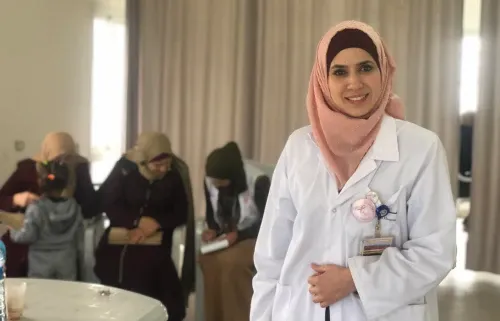
Cairo, 16 October 2025 – The World Health Organization affirmed, in an article published on its Eastern Mediterranean regional website, that Egypt is a pioneering model in promoting the early detection and control of breast cancer, through the Presidential Initiative to Support Egyptian Women's Health, launched by the State in 2019 under the supervision of the Ministry of Health and Population.
The Organization noted that the initiative has established itself as an inspiring model in community awareness, the provision of free early screening services and ensuring rapid referral for treatment, in line with the WHO Global Breast Cancer Initiative, explaining that this comprehensive approach has helped save thousands of women through early detection and timely treatment.
H.E. Prof. Dr. Khaled Abdel Ghaffar, Deputy Prime Minister and Minister of Health and Population, affirmed that "the Presidential Initiative for Women's Health embodies the Egyptian State's commitment to achieving equity in healthcare and advancing women's health as a national priority", noting that the "Cairo Call to Action", which emerged from the high-level dialogue in January 2025, reflects the spirit of regional solidarity and the call to unify efforts in confronting breast cancer.
The Minister explained that the Egyptian experience has proven that investing in early detection, diagnosis and comprehensive treatment yields a high health and economic return, as World Health Organization estimates indicate that every dollar invested in these efforts generates a return of between 6.4 and 7.8 dollars, affirming that the initiative represents a model that can be applied in low- and middle-income countries.
In the Eastern Mediterranean Region, more than 130,000 cases of breast cancer are recorded annually, causing 52,000 deaths, driven by factors including low awareness, women's limited uptake of screening and limited health infrastructure. Here the Egyptian experience stands out as an integrated model for combining early screening, awareness and treatment within a sustainable national framework, backed by strong political will and effective partnerships with international bodies.
In this context, Dr. Hanan Hassan Balkhy, WHO Regional Director for the Eastern Mediterranean, affirmed that "the success of the Cairo Call to Action reflects Egypt's pioneering role in promoting health equity and enabling women to access integrated prevention and treatment services", praising the Presidential Initiative for Women's Health as a pioneering experience that can be built upon and expanded regionally.
The Cairo Call to Action sets out a number of priorities for strengthening joint efforts to combat breast cancer, including:
Raising public awareness through culturally sensitive campaigns.
Supporting primary healthcare systems and expanding early screening services.
Investing in diagnostic and treatment infrastructure.
Providing psychological and social support for patients.
And developing national and regional databases to track and analyse cancer cases.
The World Health Organization and its partners affirm their continued support for Egypt and member states in implementing these plans and moving forward towards a new era of regional solidarity and collective action for women's health.