
As part of the Health and Population Conference, a session on transforming breast cancer care in partnership with WHI and Novartis
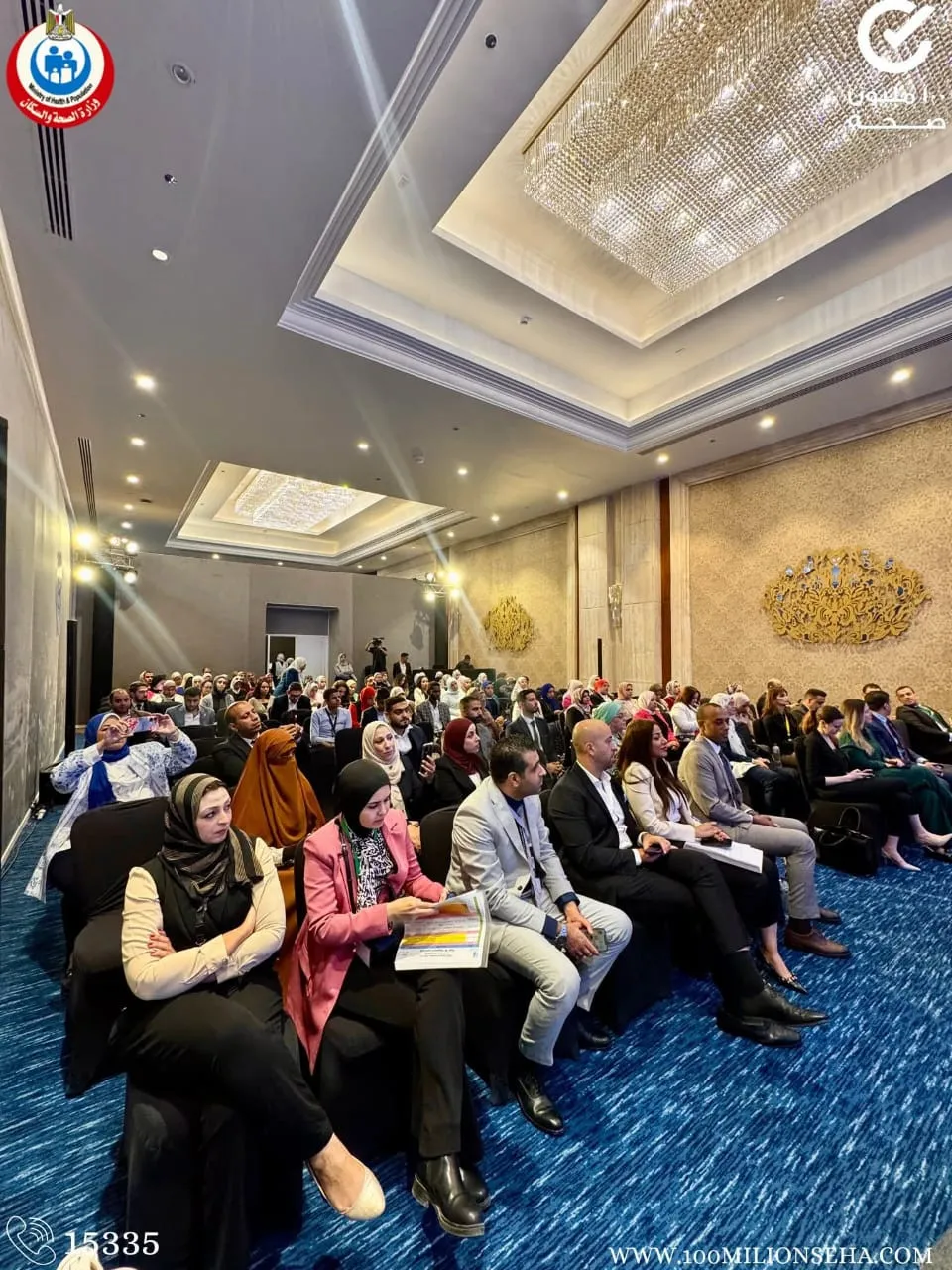
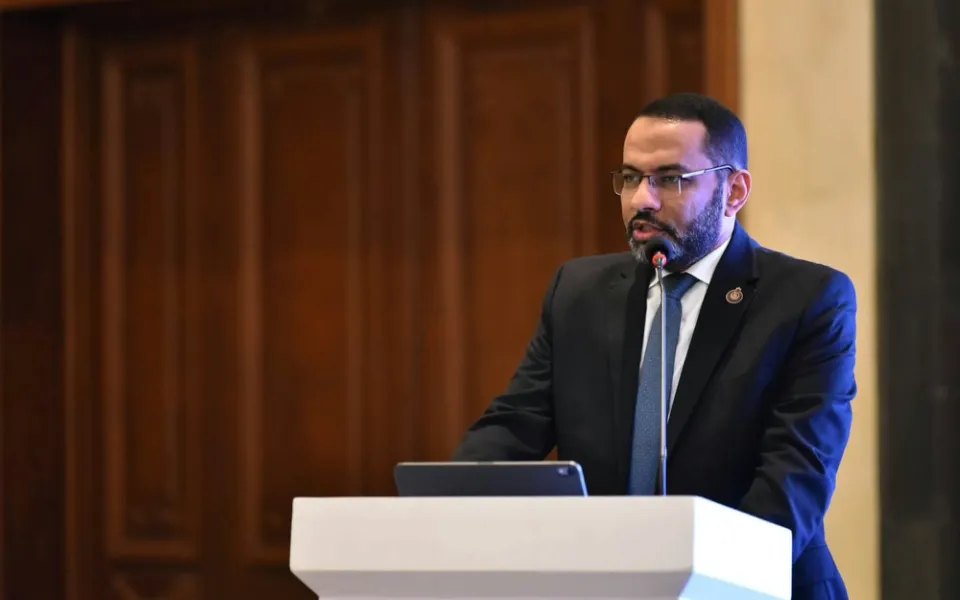
Today, Dr. Mohamed Hassany, Assistant Minister of Health for Public Health Projects and Initiatives, and Dr. Hatem Amin, Executive Director of the Women's Health Support Initiative, took part in an important session entitled
"Transforming Breast Cancer Care: Learning from WHI-Novartis Partners" as part of the Health and Population Conference,
within the framework of ongoing efforts to develop the breast cancer care system in Egypt and strengthen cooperation with international partners.
The session aims to exchange expertise and lessons learned from the partnership between the Women's Health Initiative (WHI) and Novartis in the fields of prevention, early detection and comprehensive treatment of breast cancer, with a focus on applying successful experiences in the Egyptian context.
In his speech, Dr. Mohamed Hassany affirmed that the Ministry of Health and Population pays great attention to developing public health initiatives in a way that contributes to improving the quality of services and narrowing the gap in access to healthcare. He also noted that exchanging expertise with international partners is an important step towards achieving integrated and sustainable care for Egyptian women.
For his part, Dr. Hatem Amin explained that the Women's Health Support Initiative is one of the pillars of the "100 Million Healthy Lives" initiatives, focusing on early detection services for breast cancer and building the capacity of medical teams in all governorates, stressing the importance of benefiting from successful global experiences such as the WHI-Novartis partnership to develop the national care system.
The session addressed a number of main themes, most notably:
Strengthening the integrated model of breast cancer care, from awareness through screening and diagnosis to follow-up and psychological support.
The role of technology and innovation in improving care outcomes through data analysis and the use of artificial intelligence models in diagnosis and treatment
That the success of the initiatives begins with focusing on delivering them through the primary healthcare units available in all governorates.
The session concluded by stressing the importance of unifying efforts among the government sector, pharmaceutical companies and civil society to ensure the sustainability of screening and treatment programmes, along with developing a national action plan focused on raising early screening rates, training medical staff and enhancing public awareness