
Session on innovation in rare disease management stresses the importance of public-private partnership in supporting patients in Egypt
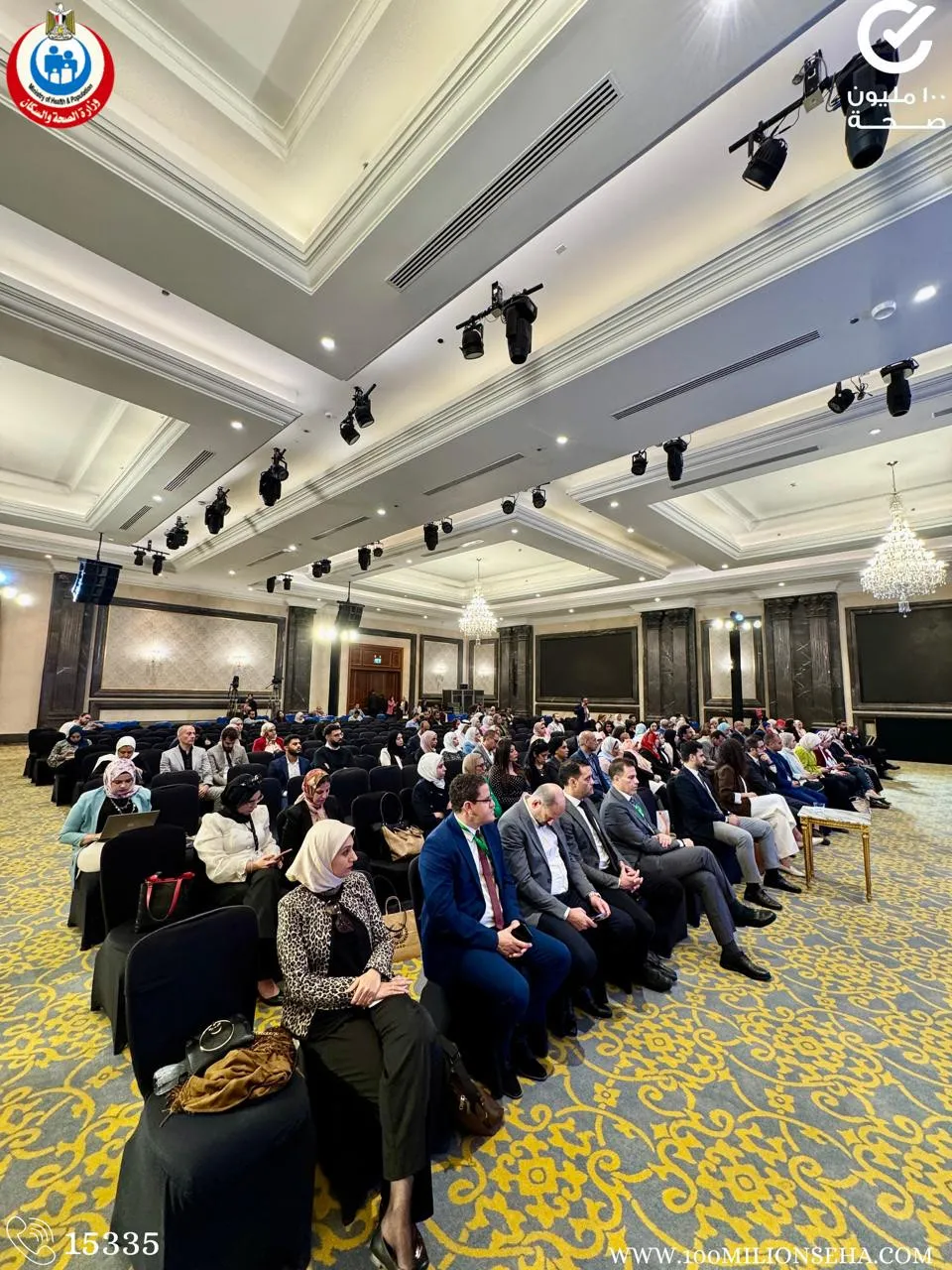
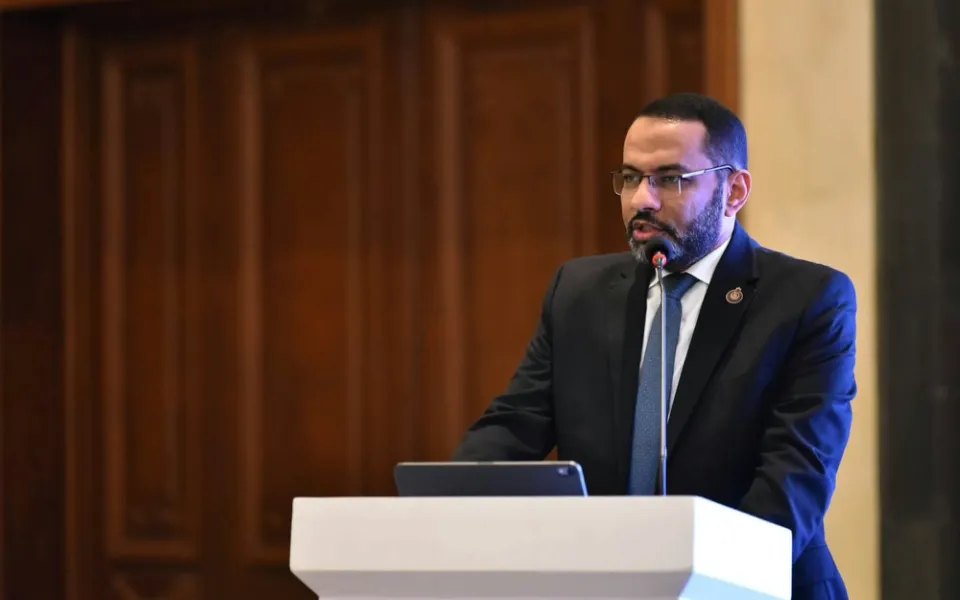
Dr. Mohamed Hassany, Assistant Minister of Health for Projects and Health Initiatives, attended a "session on access to innovation in rare disease management and public-private partnership models in Egypt", along with Dr. Ibrahim Abdel Aty, representatives of Sanofi, and a select group of experts in the fields of medicine, scientific research and healthcare.
The session discussed ways of enhancing innovation in the management and diagnosis of rare and genetic diseases, and the role of public-private partnership (PPP) models in supporting national efforts to provide treatment and improve patients' quality of life, in line with the State's orientation towards developing an integrated and sustainable health system.
In his speech, Dr. Mohamed Hassany stressed the importance of early detection and diagnosis for newborns under the initiative for the detection of 19 genetic diseases, explaining that the initiative has succeeded in screening more than half a million newborns nationwide, which represents a major achievement in the field of prevention and early intervention.
He also noted that the Ministry of Health seeks to expand the scope of the initiative and increase the number of children diagnosed early, as well as to build an integrated data ecosystem covering all genetic and rare diseases, from the likelihood of developing them through to the treatment stages, in support of decision-making and evidence-based health policy development.
In a related context, Dr. Ibrahim announced the forthcoming opening of a national fund to support genetic and rare diseases, aimed at providing sustainable financing for diagnostic and treatment services and supporting scientific research, in cooperation with the private sector and international development partners, which will enhance the State's ability to provide integrated and sustainable care for these patients.
For her part, Dr. Alexandra (Executive Director of the International Society for Genetic Diseases) stressed the importance of integration and collective international action among countries, research institutions and the private sector to achieve full support for children with genetic diseases, enhance opportunities for early diagnosis and cooperate in developing innovative treatments.
During the session, the plans of the participating countries in the fields of diagnosis and scientific research were also reviewed, along with a discussion of the most prominent international experiences in health innovation and rare disease management.
Dr. Mohamed Hassany concluded the session by expressing his hope for a brighter future for the initiative for the early detection of genetic and rare diseases, affirming that the Egyptian State is moving steadily towards strengthening its capabilities in this field, to ensure a better, healthier future for every Egyptian child.