
Egypt sets a historic precedent at the World Health Organization with the unanimous adoption of six health resolutions
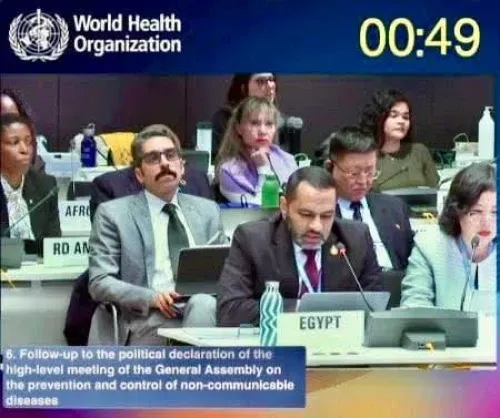
The Executive Board of the World Health Organization, meeting in Geneva from 2 to 7 February 2026, unanimously adopted six draft resolutions submitted by the Arab Republic of Egypt out of a total of seven resolutions before the Organization’s General Assembly this year, a precedent that is the first of its kind in the Organization’s 77-year history.
The six resolutions cover fatty liver disease as the missing link in the global response to non-communicable diseases; promoting smart and effective pharmacovigilance as an essential tool for strong, sustainable, resilient and responsive health systems for everyone, everywhere; promoting equitable access to diagnostic imaging through teleradiology; precision medicine as a pathway towards targeted, personalised and equitable care; reducing the burden of stroke by strengthening prevention, acute care, rehabilitation and health system preparedness; and radiation and health through strengthening global protection, preparedness and response.
The adoption of these resolutions represents a pivotal step in strengthening the comprehensive international response in vital health areas, including non-communicable diseases, medicine safety, digital health technology, precision medicine, stroke and radiation safety, and confirms the leading role Egypt plays in shaping the global health agenda based on scientific evidence, a multilateral approach and constructive cooperation among member states.
This is the first precedent of its kind in the history of the World Health Organization since its founding in 1948, as no member state has ever submitted six draft resolutions in a single session of the Executive Board. This achievement comes during the first year of Egypt’s membership of the WHO Executive Board, which runs for three years from 2025 to 2028.
This achievement was the result of intensive negotiating efforts and broad consultations lasting more than ten weeks, including more than 30 to 40 consultation sessions with the various regional groups and member states, which made it possible to arrive at balanced texts that reflect global health priorities and respond to the growing challenges in the health areas mentioned, particularly with regard to the role of developing countries and strengthening their national capacities.
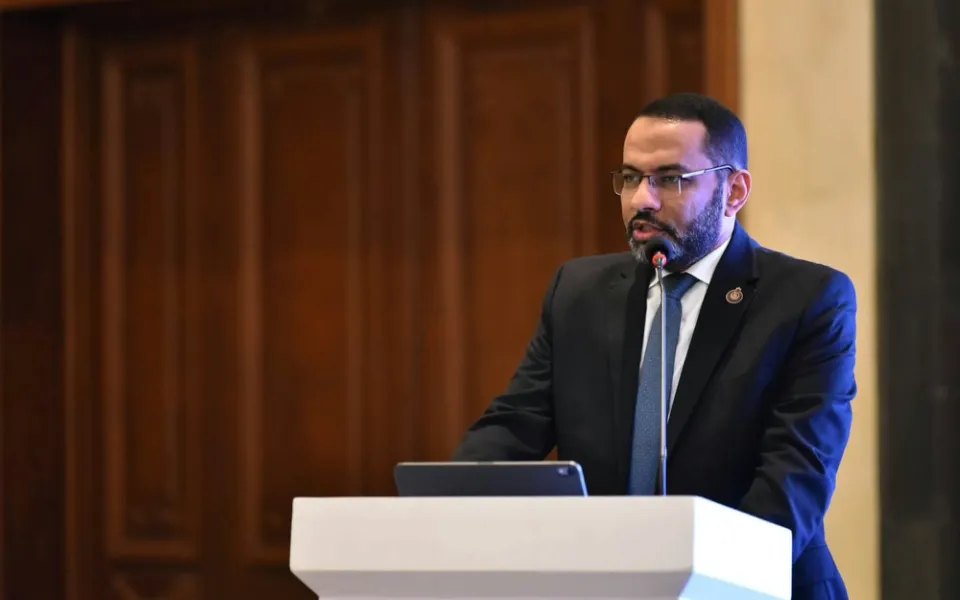
The Egyptian delegation took part in the Board’s work, headed by Dr. Mohamed Hassany, Assistant Minister of Health and Population and Egypt’s representative on the Executive Board, with the participation of Egypt’s alternate representative, Counsellor Dr. Khaled Attalla, in charge of the global health file at Egypt’s Permanent Mission to the United Nations in Geneva.
The resolutions reflect Egypt’s firm commitment to supporting multilateral action within the framework of the World Health Organization and to aligning international efforts with the Organization’s Fourteenth General Programme of Work and the 2030 Sustainable Development Goals, with special priority given to strengthening the national capacities of developing countries in surveillance, prevention, early diagnosis and treatment.
The unanimous adoption of these resolutions forms a solid foundation for strengthening international cooperation in vital health areas and closing existing gaps in the global response, contributing to improved health outcomes and a reduced disease burden on health systems around the world.