
Ministry of Health screens more than 21.1 million citizens under the initiative for the early detection of chronic diseases and kidney disease.

The Ministry of Health and Population announced the screening of 21,105,477 citizens across the country under the Presidential Initiative for the screening and treatment of chronic diseases and the early detection of kidney disease, since its launch in September 2021 until now, a notable achievement that reflects the state’s commitment to providing free and comprehensive preventive healthcare to citizens.
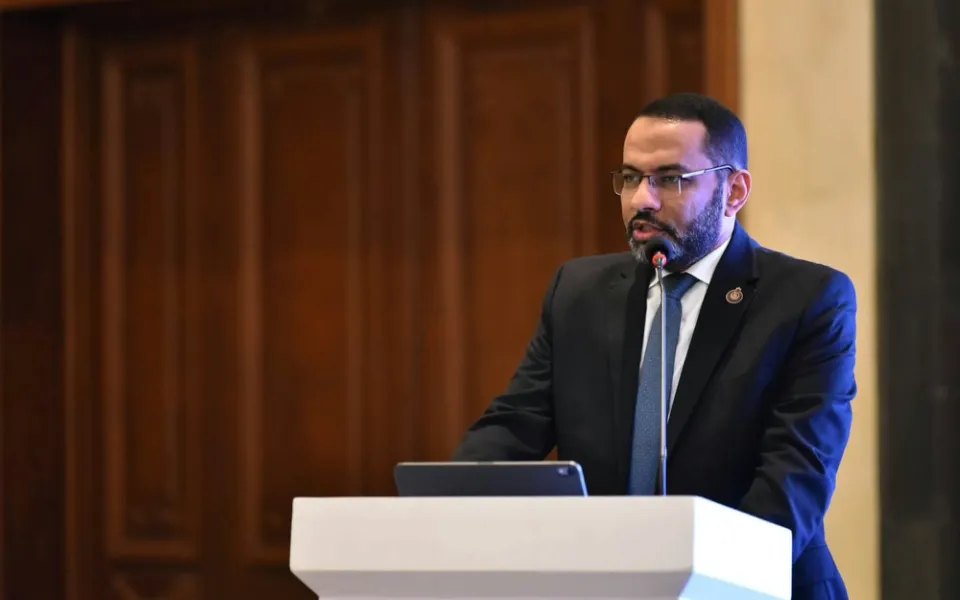
Dr. Hossam Abdel Ghaffar, the ministry’s official spokesperson, explained that the initiative operates through 3,601 primary care units spread across all governorates, and targets citizens over 40, in addition to young people from 18 with a medical history related to chronic diseases, to ensure early detection and high-quality care at no cost.
The examinations include measuring blood pressure, random and cumulative (HbA1c) blood sugar, lipid levels, kidney function and body mass index, along with awareness sessions on risk factors and tailored follow-up programmes, which strengthens health awareness and limits complications. People with high blood pressure or diabetes receive their medicines monthly free of charge from the health unit, while complex cases are immediately referred to hospitals at the state’s expense to reduce the risk of kidney failure.
The initiative relies on the latest international guidelines in cooperation with the World Health Organization, with continuous training of medical staff and integration between primary and specialised care to ensure complete and effective treatment.
Dr. Hossam Abdel Ghaffar urged citizens at risk – especially those with high blood pressure or diabetes or with a family history – to go immediately to the nearest health unit to benefit from the services free of charge, affirming that early detection is the best way to avoid serious complications and that citizens’ health remains a top priority for the Egyptian state.