
Dr. Galal El-Shishini: Citizens Are a Key Partner in the Success of the Health Initiatives.
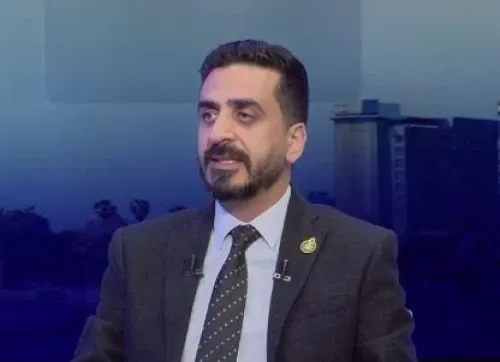
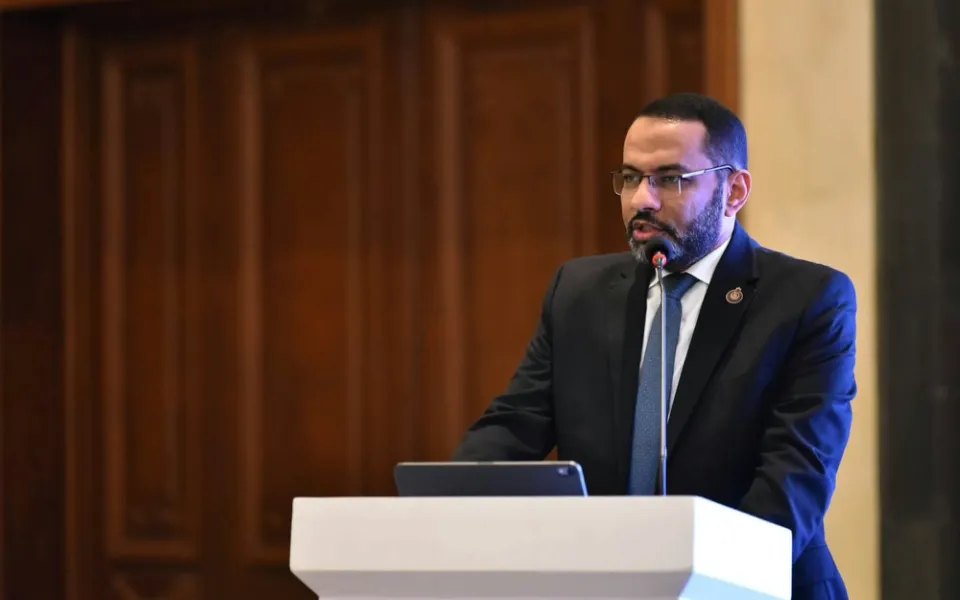
"The philosophy of the public health initiatives as a strategic shift in the Ministry of Health's plan" was the broad headline at the centre of the conversation with Dr. Galal El-Shishini, Head of the Central Administration for Healthcare Quality at the Ministry of Health and Population, in a press interview with Al-Musawwar newspaper conducted by journalist Iman El-Naggar, in which he stressed in more than one answer that "citizens are a key partner in the success of these initiatives".
Dr. Galal also addressed the economic return, explaining that "every pound currently spent on early detection in the public health initiatives saves 7 pounds that would have been spent in the future". At the start of the interview he said: When we talk about the philosophy of the health initiatives, it amounts to a strategic shift in the Ministry of Health's plan. Before the initiatives, the Ministry provided curative services and preventive services for some diseases through vaccination programs and the like. With the launch of the initiatives in October 2018, it moved to the stage of awareness and early detection, without waiting for a person to fall ill and come to the hospitals. On the contrary, the Ministry, acting through the initiatives, began to reach out for early detection, and the circle is then completed by providing treatment and follow-up. It was therefore essential to make sure that treatment and a treatment network were available in all governorates, to know the prevalence of the disease in the various governorates, to provide referral facilities, to train medical teams, to provide medicines, and also to provide support services to facilitate all these procedures, including the hotline.
Dr. Galal added that "the support services also include the website of the 100 Million Healthy Lives initiative, as well as social media platforms. All these support services act as a parallel line to what the medical team provides. The philosophy of the initiatives therefore consists of early detection and awareness, reaching out to people before they fall ill, providing support services, and providing treatment and follow-up".
"Citizens are a key partner in the success of the health initiatives" was another point Dr. Galal stressed, saying: The public health initiatives are services provided by the Ministry of Health, and this success would not have been achieved without the participation of citizens themselves. This is the greatest return on the health of citizens, who have become aware of the importance of early detection. Citizens now realise that they may have a certain disease without knowing it, and they are also aware of the seriousness of the complications of each disease, and hence of the importance of early detection, discovering infection early, dealing with it, providing treatment, controlling the disease early and preventing complications. This is what citizens have succeeded in through the initiatives, not the Ministry alone; citizens are a key partner in the success of the public health initiatives.
He continued: The initiatives rely on early detection, which is beneficial in several respects, including limiting complications. Studies have shown that every pound spent on early detection saves 2 or 3 pounds as an economic return. Economic studies have been conducted on some of the diseases covered by the initiatives; for example, the return on investment of the women's health and early breast cancer detection initiative reached 57 percent, and it reached 300 percent in the hepatitis C elimination initiative: every pound spent on early detection of hepatitis C saves more than three pounds and 60 piastres that would have been spent in the future on complications. Looking at the public health initiatives in general, every pound currently spent on early detection in these initiatives saves 7 pounds that would have been spent in the future, a rate exceeding 700 percent across all initiatives, with total savings amounting to about 66 billion pounds that would have been spent in the future on treating diseases and complications.
On the cost of the initiatives, the Head of the Central Administration for Healthcare Quality at the Ministry of Health and Population said: The initiatives have become part of the State's structure, approved by the Central Agency for Organization and Administration, and have a share of the State budget. The cost of the initiatives, whether from the State budget or from partner entities, amounts to 2.8 billion pounds a year for 14 initiatives.
Dr. Galal then moved on to the chronic diseases initiative, saying: We started the chronic disease initiatives in 2018 in parallel with the hepatitis C elimination initiative and the early detection of non-communicable diseases. During that period, about 60 million people were screened for diabetes, hypertension and obesity; this was the first phase. The second phase took place during the COVID-19 pandemic and the curfew, during which about 25 million citizens were screened and provided with treatment and referral. Recently, a third phase was added for people with chronic diseases, with some new services in addition to blood sugar and blood pressure screening, namely early detection of kidney disease and blood lipid levels, including triglycerides, cholesterol, and high- and low-density lipoproteins.
He continued: New elements have been introduced in the chronic disease initiatives: equipment has been provided, along with scientific guidelines, and the list of medicines has been updated so that they are available in primary care units. We have more than 3500 primary care units providing early detection services, and they now also provide treatment services, which is what we have newly introduced. HbA1c (glycated haemoglobin) devices have also been provided in health units, and a kidney disease test has been added to limit kidney failure problems later on.
On the most important indicators of the chronic disease initiatives, Dr. Galal said: In 2017, before the launch of the initiatives, we conducted the STEPwise health survey, a global methodology for measuring the prevalence of chronic diseases. According to the data of this survey, the prevalence of diabetes was 15.5 percent of citizens and that of high blood pressure 30 percent, about a third of society was obese, another third was overweight, and only a third of society had a normal weight. We are currently repeating this survey after years of implementing the initiatives; we have completed the field part, and within a few weeks we will analyse the data to determine the impact and return of the initiatives on the prevalence of chronic diseases, and we will soon announce the results of this survey.
He added: Some public health initiatives target all citizens, of all age groups, healthy people, for reassurance and early detection of diseases, while some initiatives target a specific group of individuals, including the initiative for treating newborns with spinal muscular atrophy, under which gene therapy has been provided to more than 48 children. The treatment is provided when the disease is detected before the age of six months. Other treatment services have also been provided to more than 2800 children with other stages of the disease, with continuous follow-up. All the initiatives start with awareness, then early detection, and the provision of treatment and follow-up.