
Dr. Mona Khalifa: "A Disease-Free Generation" Is the Goal of the Presidential Initiatives.
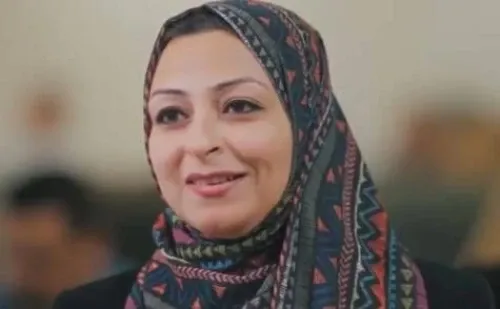
Dr. Mona Khalifa, Director General of the General Administration of Initiatives, said in a press interview with Al-Musawwar newspaper conducted by journalist Iman El-Naggar: We started the train of initiatives in 2018, beginning with the largest initiative, to eliminate hepatitis C and for the early detection of non-communicable diseases such as diabetes, hypertension and obesity, to determine their prevalence and provide treatment to those detected. The initiative had a great resonance and is a success story: Egypt, after having been among the countries with the highest hepatitis C infection rates in the world, became the first country in the world to obtain the gold-tier certification from the World Health Organization for eliminating hepatitis C. This great achievement encouraged us to look for other widespread health problems, focus on them and create special programs for them.
She continued: One of the biggest problems was the low rate of hearing screening among newborns. Egypt was among the countries with the lowest hearing screening rates, which stood at less than one percent of newborns. The initiative for the early detection and treatment of hearing impairment and loss in newborns was therefore launched and had a great resonance. After about 6 years of operation, Egypt has become one of the countries in the world with the highest hearing screening rates, exceeding 85 percent of all newborns, a strong addition that places Egypt among the developed countries. The total number of children screened under the initiative has exceeded 9 million 300 thousand since 2019, and more than 65,000 children have been detected and treated, whether with medication, hearing aids or cochlear implants. Cochlear implant cases have exceeded 3,000, and there is now a defined and available pathway for implant cases.
The Director General of the General Administration of Health Initiatives at the Ministry of Health then moved on to the initiative to support women's health and the early detection of breast cancer, saying: It started in July 2019. Breast cancer is one of the most widespread cancers among women, and when the initiative was launched, the biggest concern was the extent to which women would accept the idea of self-examination and continuous follow-up; the culture of early detection was a challenge. Over time, women were encouraged to do self-examinations, follow up and complete their annual visits, which reflects a change in society's culture.
She explained that "among the important indicators of the initiative is that, whereas we used to detect 80 percent of cases at the late fourth stage and 20 percent at the first stages, after the initiative these figures were reversed, and we now detect 80 percent of cases at the early stages. Another important indicator is the decline in the rate of total mastectomy to 30 percent and the increase in partial mastectomy to 70 percent, which reflects the higher rates of early detection. The greatest achievement of the initiative remains the change in women's awareness: women are now keen to attend their periodic visits. During the initiative, 23 million women were screened, the total number of visits exceeded 67 million, and more than 36,000 cases were diagnosed".
Among the important initiatives, which provide their services on a mandatory basis, according to Dr. Mona, is the premarital screening initiative, provided in about 370 centres. What is new in the initiative is the addition of a package of tests for genetic diseases, including thalassaemia and sickle cell anaemia, a package of tests for viral diseases, namely hepatitis C, hepatitis B and the human immunodeficiency virus (AIDS), in addition to tests for blood pressure, diabetes and obesity, and it also includes a psychological assessment. So far, about 4.5 million people have undergone genetic disease testing since the start of the initiative, which is an achievement because these tests were not carried out before, and more than 100,000 carriers of the genes that cause genetic diseases have been detected.
The initiative for the early detection of cancerous tumours, which started in 2023, targets the early detection of four types of cancer: lung, colon, prostate and cervical cancer. On the idea of the initiative, Dr. Mona said: The initiative started with a new approach; all that is required is to fill in a questionnaire consisting of a set of questions that identify the risk factors for these types of cancer, and based on the answers, the person is directed to a specific place at a specific time to undergo a particular test for reassurance. The total number of questionnaires has exceeded 16 million.
She added: The mental health support initiative "Your Health Is Happiness" (Sehetak Saada) was launched at the end of 2024. Its main aim is to focus on electronic gaming addiction among children, drug addiction and the early detection of autism spectrum disorder. More than 37,000 children have been screened for autism spectrum disorder, and about 800 cases of developmental delay have been detected. As for the addiction components, they consist of questionnaires that reach the target groups where they are. The number of electronic gaming addiction questionnaires reached nearly 800 cases, 80 percent of which require treatment, while drug addiction exceeded 600 cases that expressed a desire to quit.
Dr. Mona also spoke about the eye screening initiative for schoolchildren launched in 2025, noting that it is "a global initiative in cooperation with Lions Clubs International. This is the first time a global idea applied in several countries has been adopted and included in the package of services of the presidential initiatives. More than 2.6 million primary school pupils have been screened, more than 9,000 pairs of glasses have been provided, more than 3,000 have received treatment, and more than 500 cases have undergone surgery".
"Achieving a healthy, disease-free generation is one of the goals of the presidential initiatives, and this is being achieved in the initiative to support maternal and fetal health, which targets pregnant women," Dr. Mona explained, before continuing: The woman goes to a primary care unit, where tests for viral diseases are carried out, with intervention in cases of infection to prevent transmission to the fetus. Almost all women infected with the human immunodeficiency virus (AIDS) and syphilis gave birth to children free of infection; one of the goals of the initiatives is to create a healthy generation free of disease despite the parents' infection. As for women with hepatitis B, about 99 percent of cases gave birth to children free of infection.
She added: The hepatitis C screening initiative for schoolchildren was launched to target a group that was not covered by the hepatitis C elimination initiative, which targeted people aged 18 and over. We have screened 19 million pupils, more than 20,000 cases have been detected and treatment has been dispensed, which will help reduce the prevalence of the disease.