
Health Ministry hosts an African workshop to transfer Egyptian expertise in eliminating viral hepatitis, in cooperation with Africa CDC and KOICA.
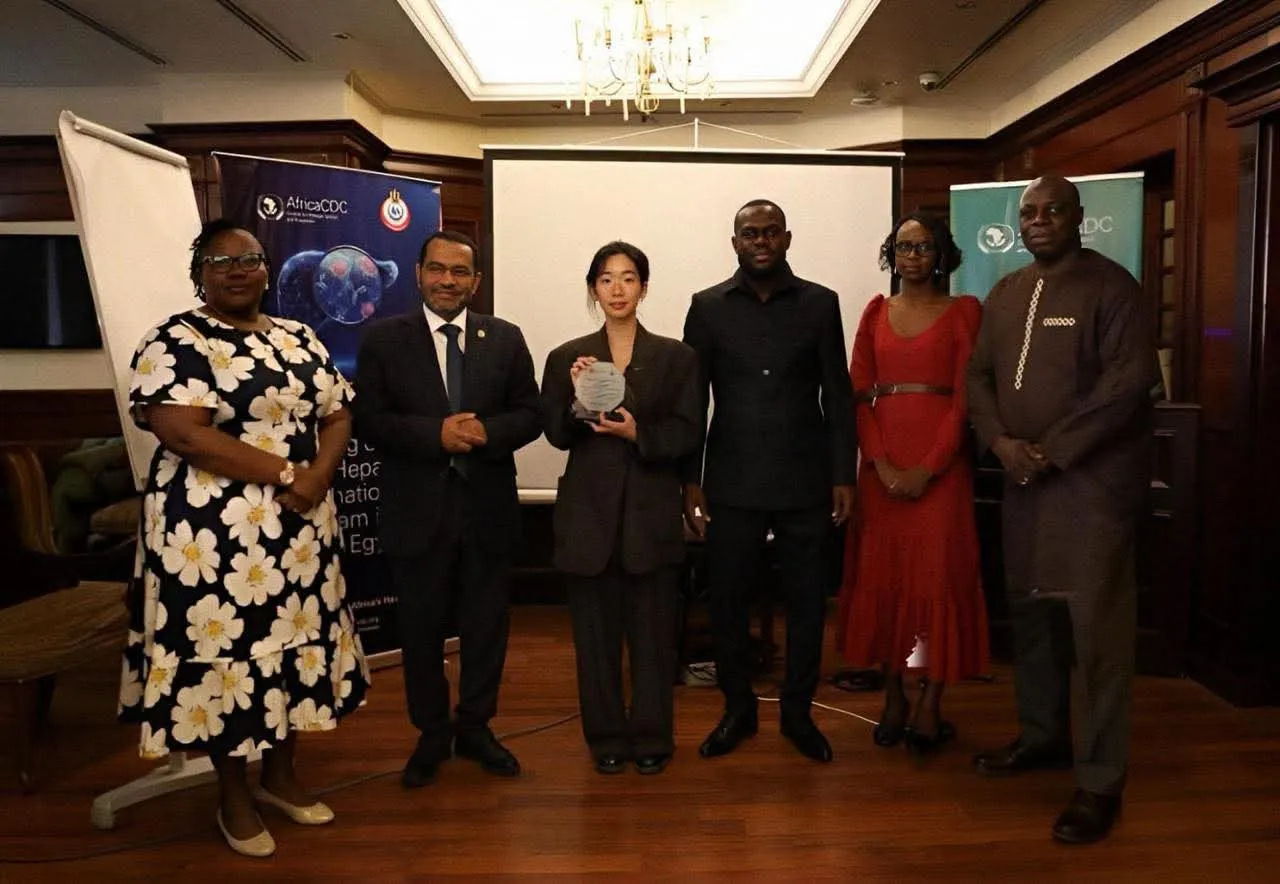
The Ministry of Health and Population organised, from 21 to 25 June 2026, the fifth professional workshop of the Viral Hepatitis Elimination Programme, in cooperation with the Africa Centres for Disease Control and Prevention (Africa CDC) and the Korea International Cooperation Agency (KOICA). Health workers, programme managers, physicians and policy advisers from several African countries took part in the workshop.
The workshop was organised as part of Egypt's commitment to strengthening health cooperation with sister African countries and transferring its successful experience in combating viral hepatitis B and C.
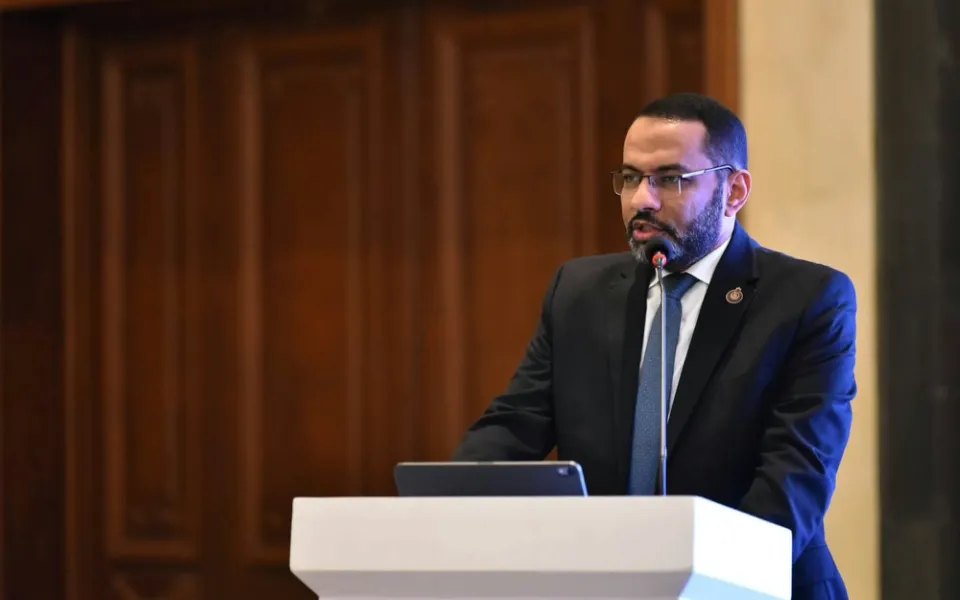
Dr. Hossam Abdel Ghaffar, official spokesperson for the Ministry of Health and Population, affirmed that Egypt's hosting of this workshop is an extension of its enduring commitment to supporting African efforts to eliminate the disease by 2030, through the exchange of expertise and building the capacities of health workers. He explained that the programme focuses on transferring practical knowledge in the comprehensive management of hepatitis C, hepatitis B control programmes, and strategies to reduce infection and mortality rates, as well as strengthening governance, data management and sustainable financing.
For his part, Dr. Mohamed Hassany, Assistant Minister of Health and Population for Public Health Projects and Initiatives, reviewed the main elements of success in the Egyptian experience, pointing to the integrated system of prevention, diagnosis and treatment, high vaccination coverage, prevention of mother-to-child transmission, and the expansion of primary care services, in addition to political support, free early screening and the digital system for case follow-up.
Dr. Mohamed Abdallah, Research Professor of Hepatology and Gastroenterology at the National Research Centre and Executive Director of the Presidential Initiative for the Early Detection and Treatment of Liver Tumours, delivered the first keynote lecture of the workshop. The lecture focused on innovative strategies to reduce infection and mortality rates resulting from viral hepatitis, highlighting mechanisms for activating an accurate surveillance system and monitoring the complications and long-term risks of the disease, and presenting a comprehensive vision for enhancing patient care and developing health surveillance systems. The session saw broad engagement from attendees during the discussion on applying this expertise and building the capacities of health workers taking part from various African countries.
Mr. Serge Batcho, Team Lead of the Infectious Diseases Division at Africa CDC, affirmed that the joint programme with Egypt has become a pioneering model of South-South cooperation, praising the successful Egyptian experience, which African countries can benefit from and adapt to their national needs.
During the workshop, Dr. Hatem Amin, Executive Director of the Women's Health Initiative, also presented the Egyptian experience in the early detection of breast cancer and the provision of integrated services from awareness to treatment.
At the close of the event, a shield of appreciation was presented to Ms. Sujin Jang, representative of KOICA, in recognition of the agency's support in capacity building and strengthening partnerships among countries of the South.
The Ministry of Health and Population affirms its continued efforts to strengthen African health cooperation and share its national expertise with sister countries, in order to enhance prevention, screening and treatment services and support a healthier, more sustainable and safer future for the peoples of the African continent.