
Health Minister: Egypt's experience in eliminating hepatitis C is a global model of sustainable health transformation.
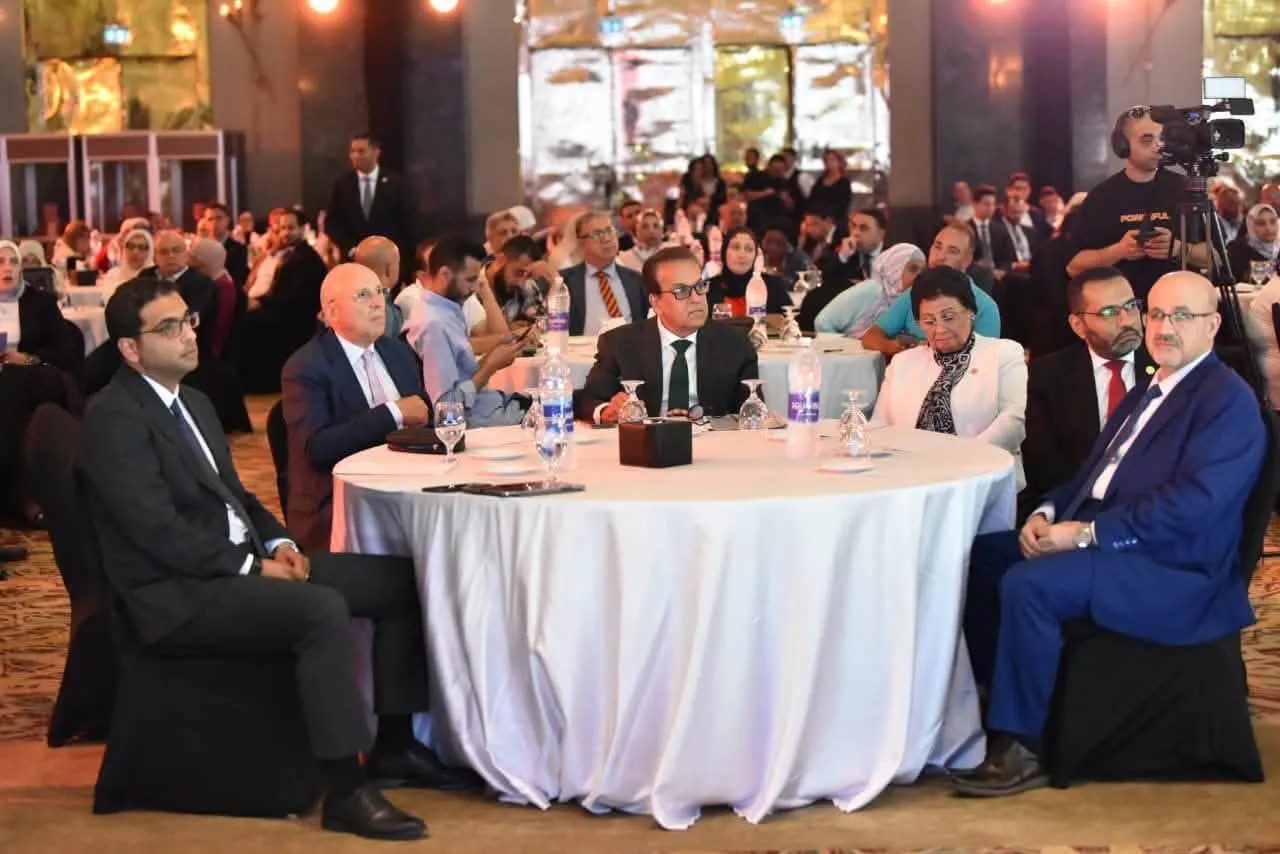
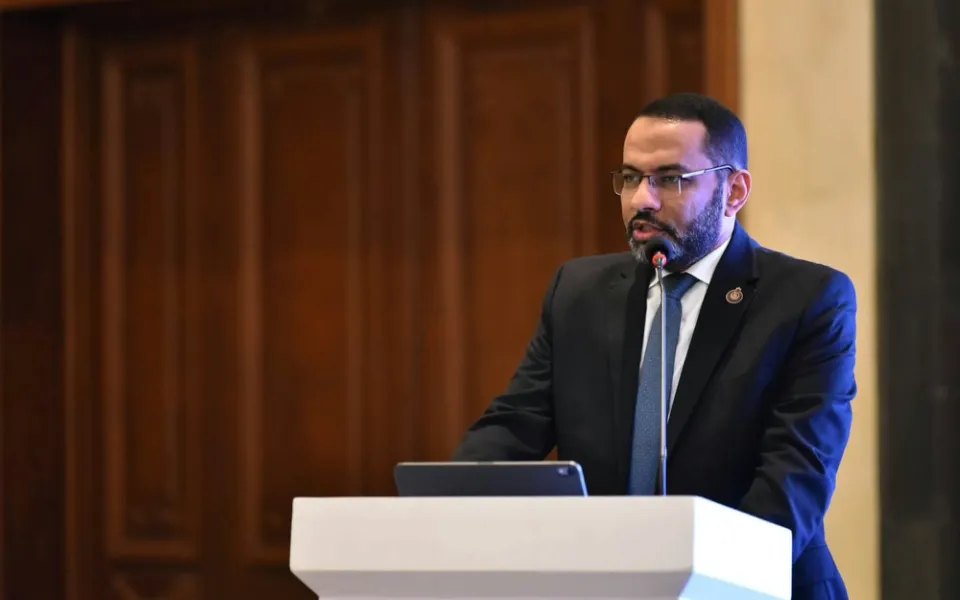
Dr. Khaled Abdel Ghaffar, Minister of Health and Population, affirmed that the Egyptian experience in eliminating the hepatitis C virus represents a successful global model of comprehensive health transformation, noting that what has been achieved was not merely an accomplishment in combating the disease, but a step towards building a sustainable system to protect liver health based on early detection and continuous care, consolidating Egypt's position as one of the leading countries in the field of public health.
This came in Dr. Khaled Abdel Ghaffar's speech during the celebration of World Hepatitis Day 2026, in cooperation with the Swiss company Roche.
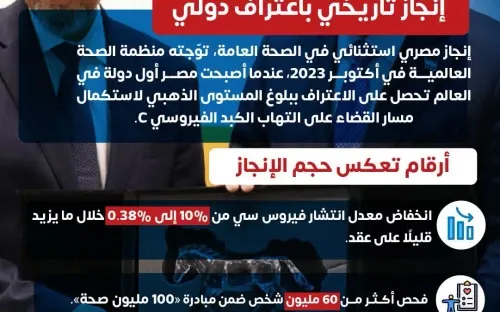
In his speech, the Minister explained that the "100 Million Healthy Lives" campaign succeeded in screening more than 60 million citizens and providing free treatment to more than 4 million patients, which helped reduce the prevalence of the virus to only 0.28%, making Egypt one of the world's leading countries in eliminating the disease, pointing out that this achievement was the result of scientific planning, effective governance, the integration of databases and the expansion of local drug manufacturing, along with the dedicated efforts of thousands of health sector workers.
He noted that Egypt's celebration of three years since obtaining the gold tier from the World Health Organization on the path to eliminating hepatitis C as a public health threat reflects the success of the State's vision, which did not stop at treating the virus but extended to protecting liver health and ensuring the sustainability of results, stressing that the true measure of the success of any health intervention is its ability to continue and achieve a long-term impact.
He added that the Ministry has for years been expanding the implementation of the National Programme for the Early Detection and Treatment of Primary Liver Cancer, making it one of the most important pillars of the healthcare model in Egypt, relying on periodic follow-up, early diagnosis, multidisciplinary care and equitable access to the latest treatments, ensuring the transition from the stage of eliminating the disease to an integrated system for protecting liver health.
He affirmed that these efforts have been clearly reflected in health indicators, as liver cancer is no longer the most common type of cancer in Egypt, incidence and mortality rates have declined markedly, and the latest GLOBOCAN estimates have shown encouraging progress in reducing the burden of the disease.
He pointed out that the sustainability of health achievements depends on developing a system capable of facing future challenges by adopting data-driven policies, accelerating digital transformation and strengthening public-private partnerships, ensuring the system's continued ability to protect future generations and provide high-quality services.
He affirmed that Egypt is not content with achieving success at home, but is working to transfer its expertise to sister and friendly countries through the exchange of expertise, hosting training programmes and supporting capacity building, particularly in Africa, the Middle East and Europe, based on its belief that knowledge sharing and international cooperation are a fundamental pillar for accelerating health progress worldwide.
He extended his thanks to the medical teams, national institutions, development partners, international organisations and the private sector, affirming that what has been achieved is the fruit of joint work, political will and a clear vision, and that Egypt will continue to support international efforts to combat liver diseases and ensure that everyone has access to healthcare as a fundamental right.
For his part, Dr. Nima Saeed Abid, World Health Organization Representative in Egypt, said that Egypt has succeeded in achieving an unprecedented accomplishment by eliminating viral hepatitis, becoming a global model to be followed, stressing that what it has achieved represents a real breakthrough and an inspiring message to the world about the possibility of eliminating diseases through political will and scientific planning, and noting that the Organization will continue its technical support to preserve these achievements and strengthen prevention efforts and the sustainability of success.
Dr. Elisabete Weiderpass, Director of the International Agency for Research on Cancer, also praised Egypt's experience in combating hepatitis C, affirming that success in combating liver cancer depends on strengthening prevention and early detection and relying on scientific evidence, with the importance of continued international cooperation.
Dr. Wahid Doss, Professor of Gastroenterology and Hepatology at Cairo University and Chairman of the National Committee for the Control of Viral Hepatitis, affirmed that the Egyptian experience has become a global model to be followed, stressing the importance of continuing prevention and early detection efforts to preserve the achievements made.
Dr. Mohamed Abdallah, Executive Director of the initiatives for the early detection and treatment of liver cancer, affirmed that the national strategy is witnessing continuous development through the expansion of early detection, regular follow-up and multidisciplinary care, which increases the chances of treatment and survival rates.
At the close of the celebration, Dr. Khaled Abdel Ghaffar honoured the son of the late Dr. Hamdy Bakr, Director of the Viral Hepatitis Treatment Unit at Fayoum General Hospital, in recognition of his distinguished professional career and outstanding contributions to the care of liver patients and to supporting the State's efforts in combating viral hepatitis.