
Health Ministry: Egypt is developing national self-care guidelines to promote citizens' health and prevent disease.
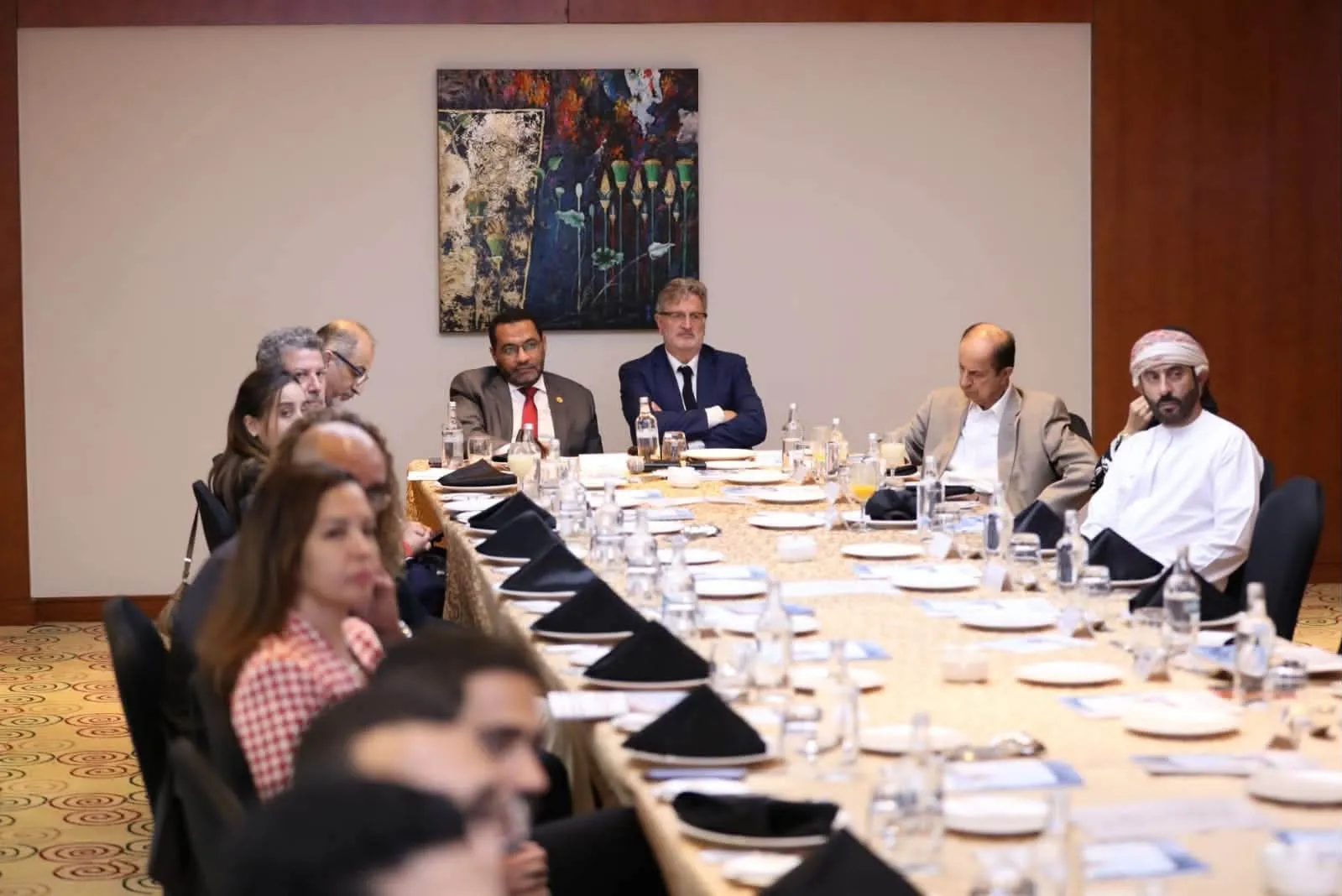
The Egyptian Ministry of Health and Population took part in the high-level round table held on Wednesday evening entitled "Strengthening Health Systems through Self-Care in the Eastern Mediterranean Region", in cooperation with the Global Self-Care Federation and with the participation of the World Health Organization and regional partners, coinciding with the 73rd session of the WHO Regional Committee for the Eastern Mediterranean.
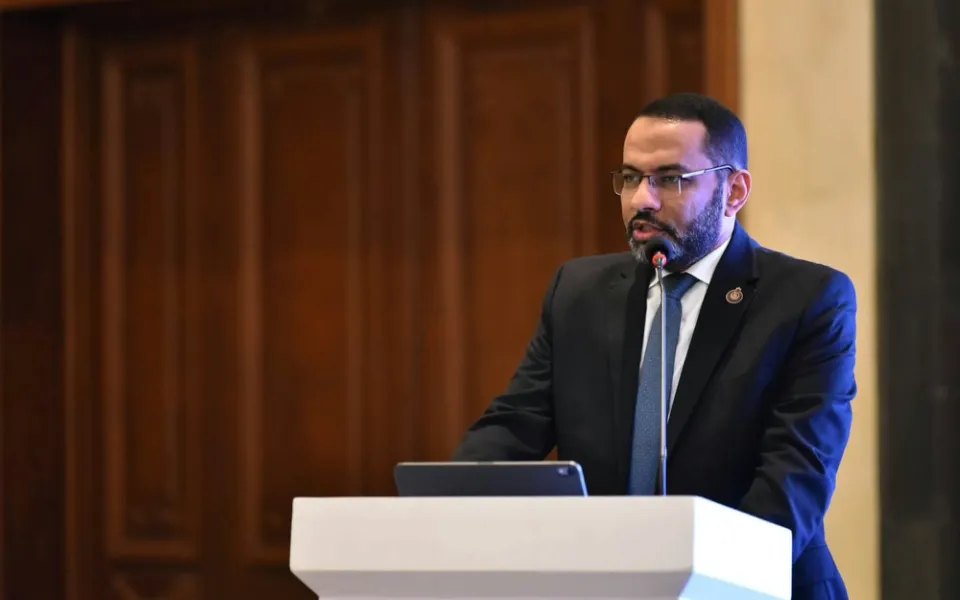
Opening the round table, Prof. Dr. Mohamed Hassany, Assistant Minister of Health and Population for Public Health Projects and Initiatives, affirmed that self-care is one of the strategic components of prevention and people-centred healthcare, stressing the importance of integrating it into national health policies and primary healthcare frameworks, in light of the global challenges facing health systems, foremost among them the growing burden of non-communicable diseases, rising care costs and disparities in access to services. He explained that promoting self-care helps raise health awareness, encourage preventive behaviours, enable individuals to manage certain health conditions appropriately and recognise warning signs early, while stressing the need to consult specialists when necessary.
Prof. Dr. Mohamed Hassany noted that Egypt bases this approach on its accumulated experience in investing in population health, early detection and preventive care, pointing out that the Ministry is currently developing national self-care guidelines, turning this experience into an organised framework that defines the roles and responsibilities of the relevant bodies and ensures safe and effective implementation based on reliable information, scientific evidence, quality standards and regulatory oversight, while strengthening the role of medical teams, primary healthcare providers and pharmacists.
He stressed the importance of strengthening cooperation among governments, the World Health Organization, the Global Self-Care Federation, academia, civil society and the responsible private sector, in order to move from general principles to measurable implementation steps, including integrating self-care into health policies, strengthening the evidence on its health, social and economic value, and developing indicators to assess its impact, supporting universal health coverage and the sustainability of health systems.
He affirmed Egypt's commitment to continuing cooperation with the WHO Regional Office for the Eastern Mediterranean and regional partners to strengthen prevention and enable individuals to participate consciously in maintaining their health, without burdening them with the responsibilities or burdens of care that fall on health systems.