
Beneficiaries of the stunting detection initiative speak to "Al-Dostour"
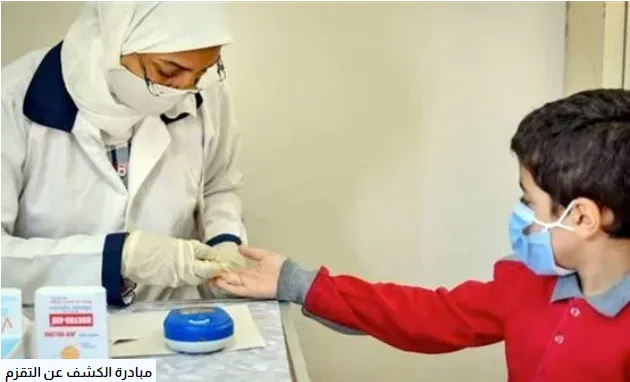
Source: Al-Dostour
For many years, the Egyptian Ministry of Health has been offering a package of health initiatives to citizens and students, guaranteeing them free screening and treatment, in order to cover and detect a number of endemic diseases after years of neglect and spread.
Among those initiatives were "100 Million Healthy Lives, the elimination of hepatitis C virus, and the campaigns to screen for anemia and stunting among children", and at present the Ministry of Health is reaping the fruits of these important initiatives
It explained that these initiatives have borne fruit: according to a report issued by the Food and Agriculture Organization, the prevalence of stunting among children under the age of five fell from 26.9% in 2000 to 23.3% in 2020, and the prevalence of anemia among women of reproductive age "15 to 49 years" fell from 35.5% in 2000 to 28.3% in 2019.
The Ministry of Health spokesperson, Dr. Hossam Abdel Ghaffar, announced that the initiative targets the screening of primary school students, both Egyptians and non-Egyptians residing in Egypt, in 30,000 government and private schools, noting that the initiative will continue to operate until the end of the current school year in all governorates of the Republic.
Heba: "The initiative discovered that my son had anemia"
Heba Mohamed is one of the beneficiaries of the stunting and obesity campaign in Ismailia Governorate; in 2021 she was surprised when the campaign contacted her to inform her that it would be present at the school her son attends to carry out a medical examination for him.
She says: "The campaign came to the school and examined the students by measuring height, weight and hemoglobin level, and anyone found to have something, whether stunting, obesity or anemia, is referred to health insurance clinics to receive treatment."
It turned out that her son had a hemoglobin deficiency; he was diagnosed with anemia and referred to health insurance clinics, which examined him again thoroughly and dispensed free treatment to him.
She explains that she kept following up with them for 6 months until his hemoglobin level rose again: "The campaign is free and it is what discovered his condition; without it I would not have known that my son had anemia or that he would be treated."
According to World Bank data, Egypt had the largest number of children suffering from stunting in the region, numbering about 2.1 million, and it ranks 12th in the world in terms of the number of people affected by stunting. The World Bank report added that nutrition outcomes are considered weak and did not improve significantly between 2000 and 2014.