
Treatment Provided for Cases Found to Have Mediterranean Anemia “Thalassemia”
The Ministry of Health and Population announced the provision of treatment and health counseling for cases found to have Mediterranean anemia “thalassemia” through the presidential initiative for “Premarital Screening”.
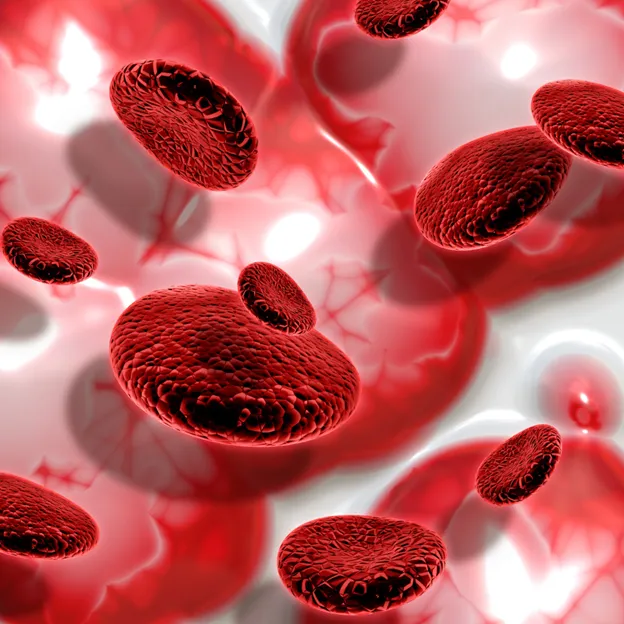
Dr. Hossam Abdel Ghaffar, official spokesperson for the Ministry of Health and Population, explained that Mediterranean anemia is one of the best-known genetic hereditary diseases common in Egypt. It is an inherited blood cell disorder that causes hemoglobin and red blood cell levels to fall below normal; it is caused by a defect in genetic mutations, and this mutation is passed on hereditarily from parents to children.
Abdel Ghaffar added that a person may have the disease and show symptoms, or may only be a carrier of one of the hereditary genes without showing symptoms. He explained that the most prominent symptoms are signs of anemia such as pale skin, general weakness, emaciation, rapid heartbeat, delayed growth and reduced fertility, noting that treatment depends on the type and severity of the disease and may include repeated blood transfusions, certain nutritional supplements or stem cell transplantation.
Abdel Ghaffar stressed that once the results of the tests performed for a young man or woman about to marry show that the person has Mediterranean anemia, a text message is sent to his or her mobile phone stating: “Note: some premarital screening results require follow-up with a specialist doctor; please go to the nearest hematology clinic”.