
During the «Access to Innovation» Session at the Global Congress on Population, Health and Human Development..
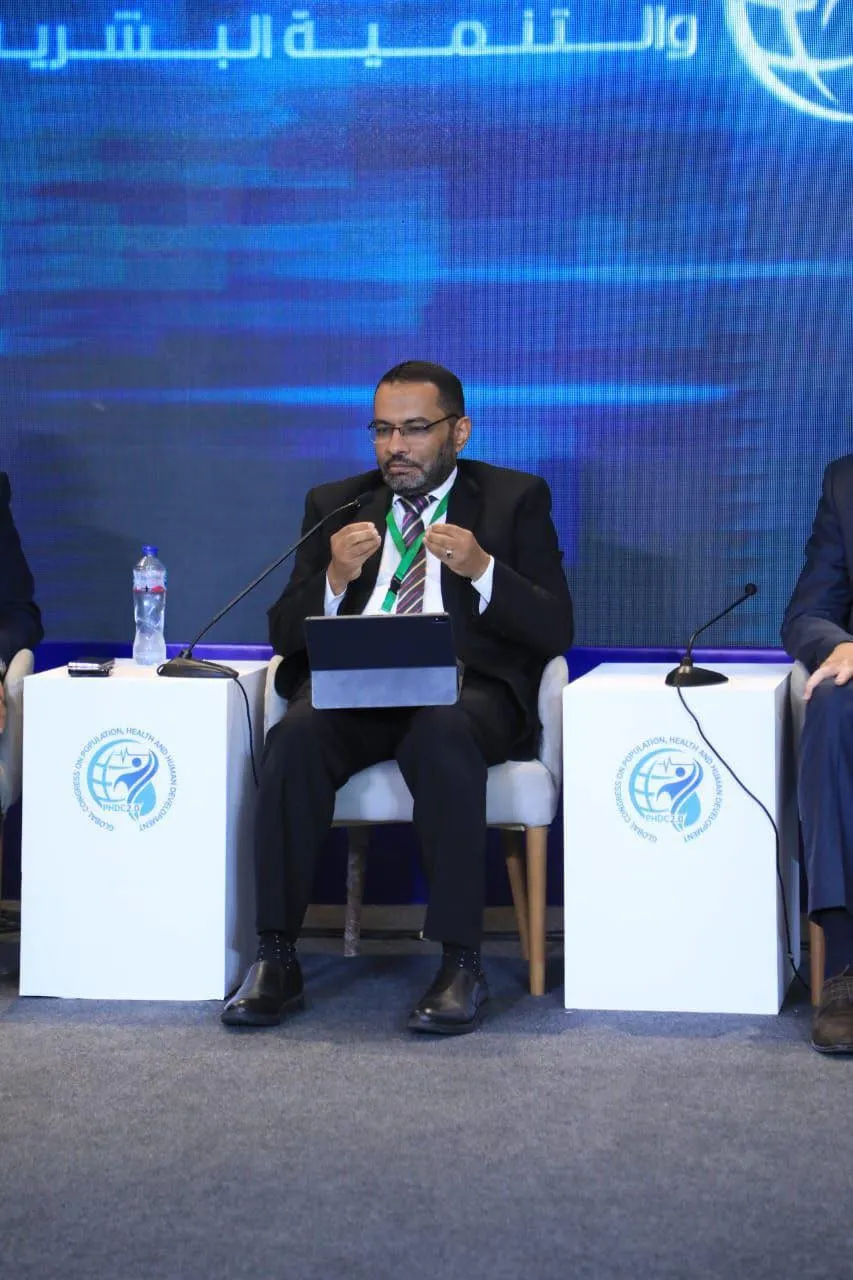
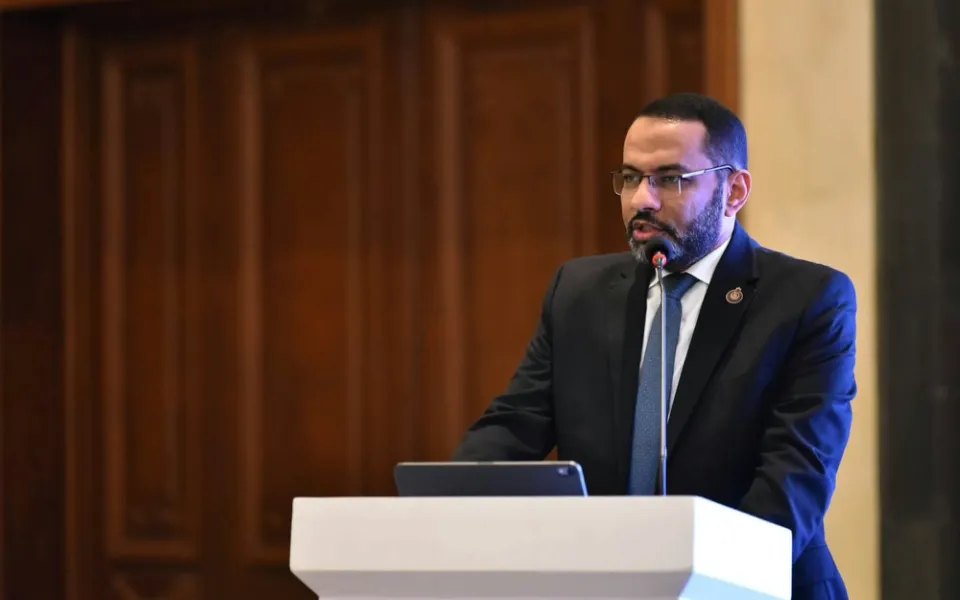
Dr. Mohamed Hassany, Assistant Minister of Health and Population for Public Health Initiatives Projects, affirmed that adding rare diseases to the Medical Emergency Fund law will be one of the effective tools for treating these diseases and easing the burden on the health system.
This came during a panel discussion entitled «Access to Innovation», organised by the Ministry of Health and Population as part of the second edition of the Global Congress on Population, Health and Human Development (PHDC24), held under the patronage of President Abdel Fattah El-Sisi, President of the Republic, under the slogan «Human Development: For a Sustainable Future».
A path for cooperation protocols to provide innovative medicines and accelerate access to innovative treatments through the public-private partnership model, as well as discussing access to innovative treatment protocols for asthma, and reviewing the solutions and steps needed to remove obstacles and challenges.
During the session, Dr. Mohamed Hassany reviewed how rare diseases, or any disease, can be selected for inclusion in public health funding, explaining that since 2018 a specific approach has been followed to select effective medicines, based on well-studied treatment protocols, as well as effectiveness and the economic value of using the medicine.
"Hassany" spoke about the mechanisms for providing biological medicines and the importance of finding specific pathways for each country to provide biological medicines, which contributes to developing local treatment strategies, referring in this regard to the "100 Million Healthy Lives" initiative and the screenings it includes for the detection of genetic diseases, such as the premarital screening initiative and the initiative for screening newborns for genetic diseases.
Dr. Hossam Hosny, Secretary-General of the Egyptian Health Council, stressed the importance of the health sector adopting strategies for the prevention of rare diseases, rather than working only on providing biological medicines, reviewing the challenges of providing health care to people with rare diseases and how to address them through those strategies.
For his part, Dr. Hisham Badr, Vice-Chairman of the Unified Procurement Authority, reviewed how to localise the pharmaceutical industry, especially the manufacture of biological medicines and vaccines, noting that the existence of about 174 pharmaceutical factories is clear evidence of the localisation of the pharmaceutical industry in Egypt, and pointing to the political orientations to support and localise the local pharmaceutical industry, and the challenges of the huge investments facing the localisation of this industry.