
Ministry of Health signs a cooperation protocol with the "Forsat Hayah" Foundation to support patients with rare diseases
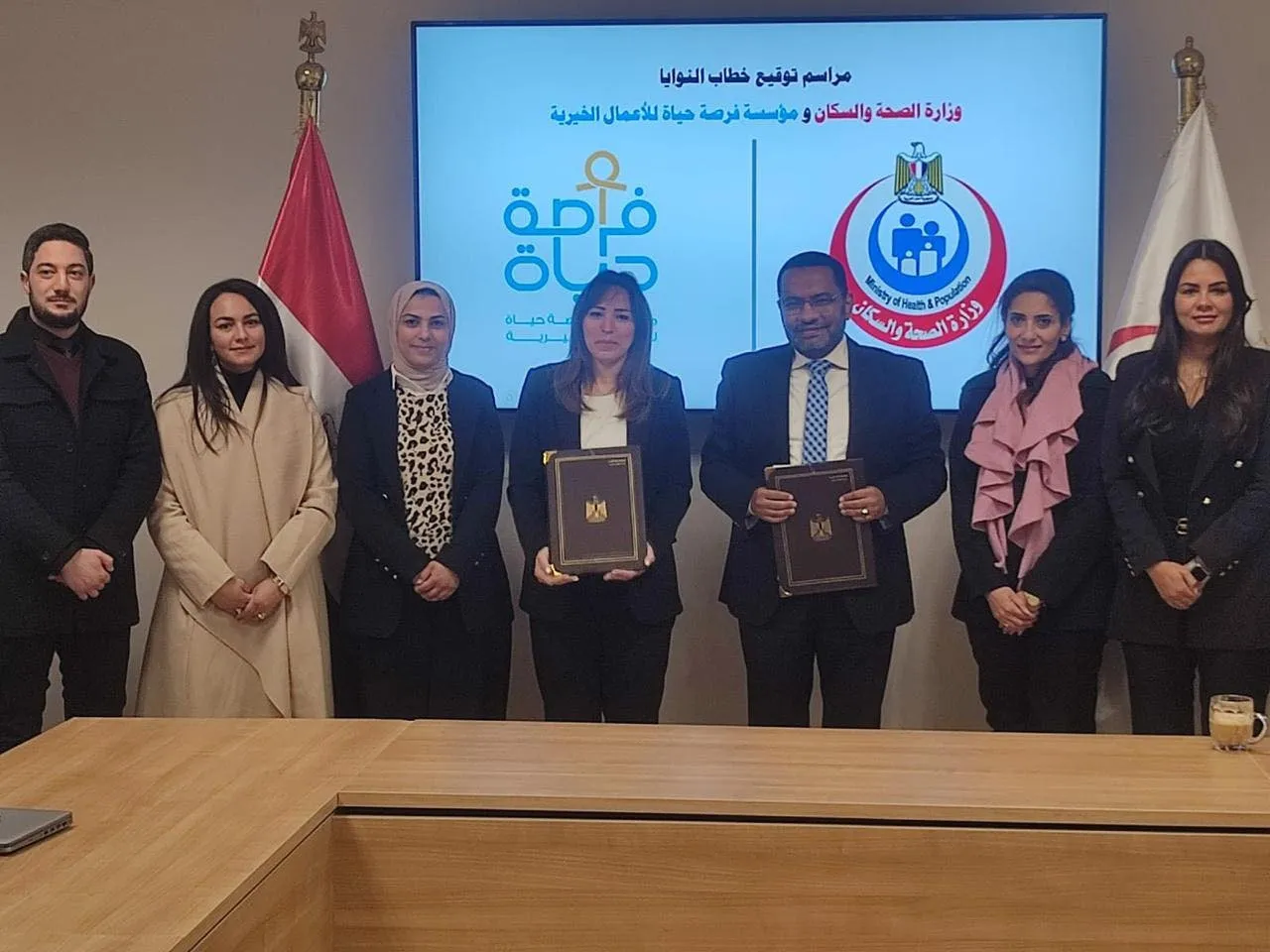
Ministry of Health signs a cooperation protocol with the "Forsat Hayah" Foundation to support patients with rare diseases
The Ministry of Health and Population signed a cooperation protocol with the "Forsat Hayah" charitable foundation, with the aim of strengthening the partnership between the government sector and civil society to support people living with rare diseases and improve the quality of health care provided to them. The signing ceremony took place at the Ministry's headquarters in the New Administrative Capital.
The protocol was signed on behalf of the Ministry of Health by Dr. Mohamed Hassany, Assistant Minister for Public Health Projects and Initiatives, while the "Forsat Hayah" Foundation was represented by Ms. Ghada Abdel Salam Moneib, Chair of the Foundation's Board of Trustees.
Dr. Hossam Abdel Ghaffar, the official spokesperson of the Ministry of Health and Population, stressed that the signing of this protocol comes within the framework of the state's policies aimed at supporting the health sector through Presidential Initiatives designed to ease the financial burden on citizens, especially in light of rising treatment costs, while ensuring the best levels of health care for them.
Abdel Ghaffar pointed out that cooperation with the "Forsat Hayah" Foundation reflects both parties' commitment to social responsibility, by supporting the Presidential Initiatives through an integrated community dialogue among all stakeholders concerned with rare diseases. This cooperation aims to find effective solutions for raising awareness of early detection of these diseases and ways to prevent them, as well as facilitating the treatment journey for patients.
He added that the protocol includes raising awareness and improving the diagnosis and treatment of patients with rare diseases by strengthening cooperation among the various bodies, with the foundation committed to providing the financial support needed to ensure the sustainability of these efforts.
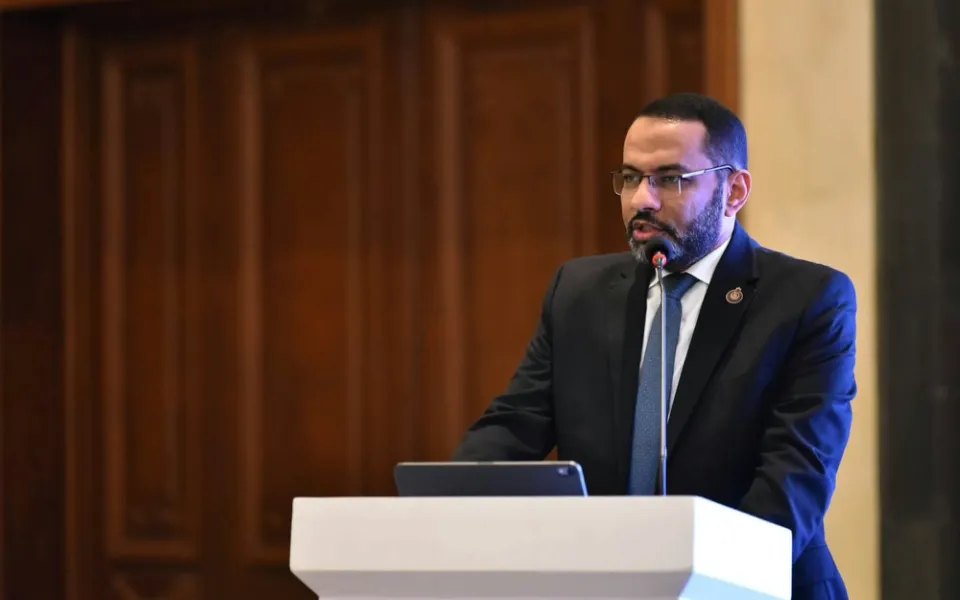
For his part, Dr. Mohamed Hassany, Assistant Minister for Public Health Projects and Initiatives, explained that the signing of the protocol represents a pivotal step in the rare diseases file, stressing that this file is a priority on Egypt's universal health coverage agenda, and affirming that the Ministry seeks to increase awareness of rare and genetic diseases, given its major role in improving public health.
Hassany highlighted the importance of Egypt's sponsorship of UN resolution No. 78, expected to be discussed next May in Geneva, which obliges the World Health Organization to develop a global plan to improve the conditions of patients with rare diseases and to establish dedicated departments for them within the organization for the first time.
He also pointed to the ongoing national efforts to support this vital file, including the Rare Diseases Support Fund law, and projects for the diagnosis and treatment of diseases such as Gaucher disease, cystic fibrosis and muscular dystrophy, as well as the President's Initiative for the detection and treatment of genetic and rare diseases, which covers 19 diseases, the establishment of a specialized laboratory for genetic and rare diseases, and the Egyptian Center for Disease Control.
For her part, Ms. Ghada Moneib, Founder and Chair of the Board of Trustees of the "Forsat Hayah" Foundation, expressed her pleasure with this cooperation, noting that it represents a new step in the foundation's record of efforts to serve rare disease patients in Egypt. She affirmed that cooperation with the Ministry of Health and Population is an important step towards achieving the foundation's vision of providing a better life for these patients.
Moneib added that this cooperation embodies the foundation's commitment to working with all relevant parties, whether from the public and private sectors or international community organizations, to develop comprehensive national policies that ensure patients with rare diseases receive the health care they need.
She concluded by stressing that comprehensive community dialogue is the best way to reach sustainable and effective solutions, emphasizing the importance of awareness of early detection and accurate diagnosis, and of providing the financial support needed for treatment.