
Ministry of Health takes part in the African Breast Cancer Council meeting to present the success of the Egyptian experience and help shape policies to develop oncology care systems on the continent
On the sidelines of the International Conference on Public Health in Africa in Rwanda...
Ministry of Health takes part in the African Breast Cancer Council meeting to present the success of the Egyptian experience and help shape policies to develop oncology care systems on the continent
========================
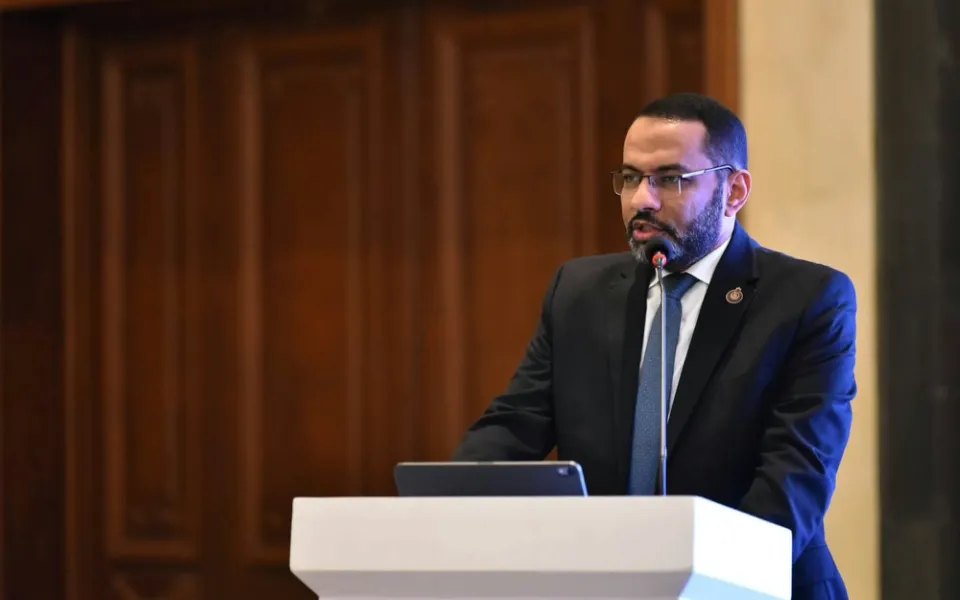
The Ministry of Health and Population, represented by Dr. Hesham El-Ghazaly, Head of the Scientific Committee of the Presidential Initiative to Support Women's Health, took part in the meeting of the African Breast Cancer Council held on the sidelines of the International Conference on Public Health in Africa in Rwanda. The meeting aims to exchange expertise and experiences on developing breast cancer health care systems on the African continent, as well as to redouble efforts to reduce the incidence of breast cancer in Africa through the adoption of effective health policies and the development of medical and technological infrastructure.
The session was attended by Dr. Sabin Nsanzimana, Minister of Health of Rwanda; Ms. Thuraya Malali, President of the African Breast Cancer Council; a number of prominent leaders from Rwanda; as well as a group of experts and doctors concerned with cancer from various countries around the world. This distinguished gathering is evidence of the commitment of the Egyptian state and all concerned bodies to strengthening health care systems throughout the continent and activating initiatives that prioritize women's health.
Dr. Hossam Abdel Ghaffar, the official spokesperson of the Ministry of Health and Population, said that the Egyptian state received a warm welcome from the African Breast Cancer Council upon joining the council, as Egypt has been able to prove its merit and record its success before the world in combating breast cancer through early detection measures and intensified awareness programs, via the Presidential Initiative to Support Women's Health. The Egyptian experience was explained, citing the initiative's results and implementation mechanisms in overcoming the difficulties facing African countries in eliminating breast cancer, as well as its experience in training and qualifying human resources, in line with Egypt's political will to support African countries.
The official spokesperson continued that this session was not merely an opportunity to exchange best practices, but also a source of inspiration for policymakers, donors and partners to move forward in strengthening efforts to reduce breast cancer mortality rates. Through this session, the tools needed to turn these discussions into practical and effective solutions were reviewed, with the aim of making breast cancer care more accessible and effective across the continent.
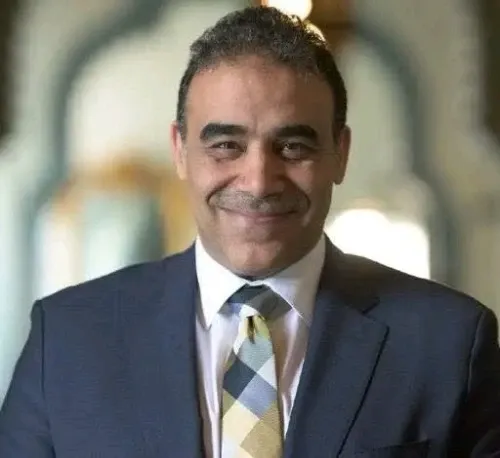
For his part, Dr. Hesham El-Ghazaly, Head of the Scientific Committee of the Presidential Initiative for Women's Health and Egypt's representative on the African Council, pointed to the main themes of the session, during which the Egyptian national strategy for combating breast cancer was presented. He noted that the total number of women attending screening and awareness reached 57.1 million women from its launch in July 2019 until the end of February 2025, with 31,418 cases of breast cancer detected and 416,667 mammograms performed since the launch of the initiative, in addition to taking 47,947 tumor samples for analysis through 23 qualified and accredited pathology laboratories, as well as providing training services to medical teams including (doctors, nurses, radiology technicians and pathology technicians), totaling 30,005 trainees.
El-Ghazaly highlighted the success of the "Presidential Initiative for Women's Health", which has achieved results exceeding global performance indicators and succeeded in improving health care, in alignment with the Global Breast Cancer Initiative and Egypt Vision 2030.
He stressed that the initiative is a model to be followed, as it has proven the effectiveness of political will, community participation and continuous economic evaluation as key factors in achieving cost-effective results. The initiative has shown success in overcoming all challenges, making it a model applicable in many African countries that share the same challenges.