
Minister of Health Witnesses the Launch of the Presidential Initiative for the Care of Children with Type 1 Diabetes Using the Latest Prick-Free Monitoring Technologies.
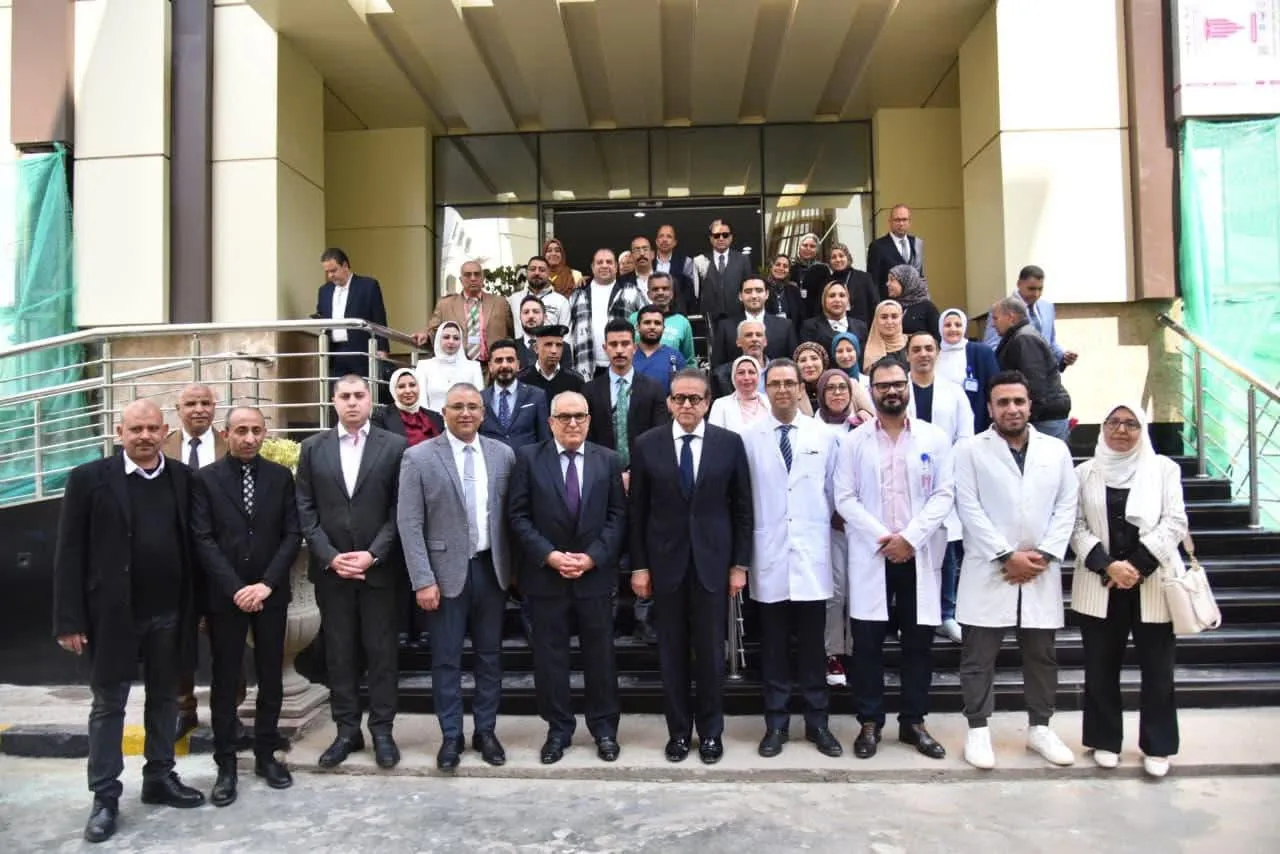
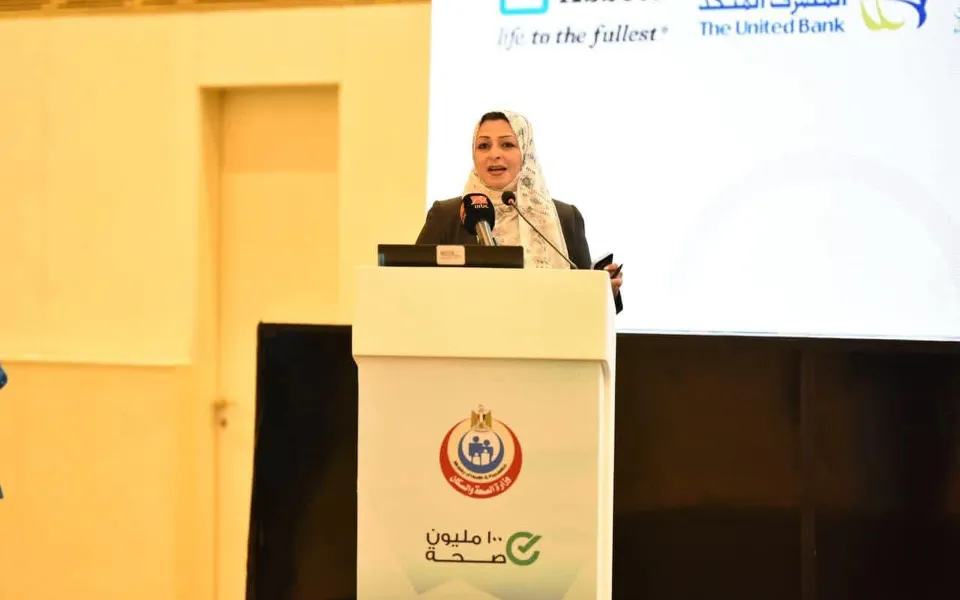
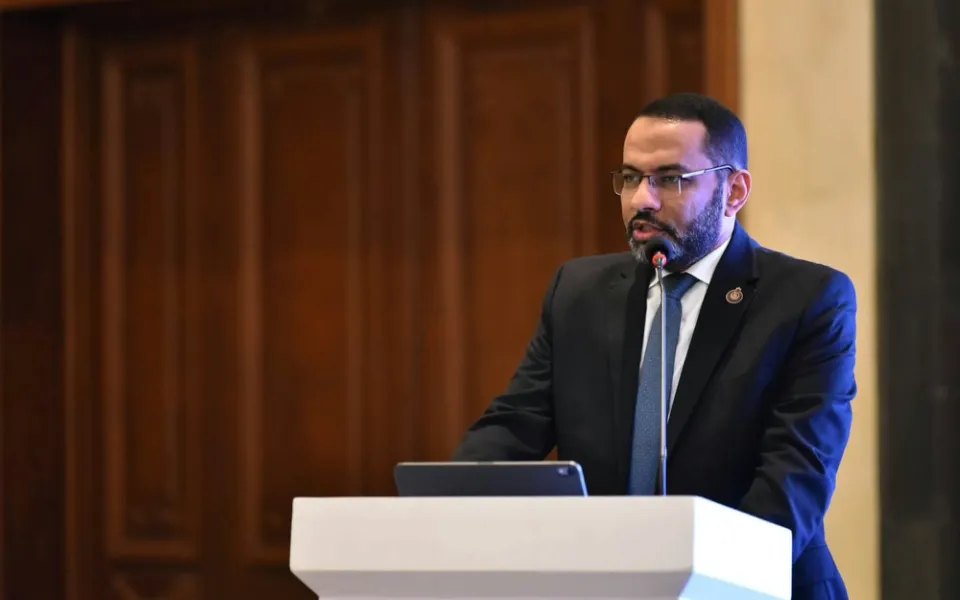
Dr. Khaled Abdel Ghaffar, Minister of Health and Population, witnessed the launch of the Presidential Initiative for the Care of Children with Type 1 Diabetes at Misr Children's Hospital. The initiative aims to improve the quality of life of children and enhance their chances of a healthy and safe life by providing the latest medical technologies for measuring blood sugar without the need for traditional finger pricks.
The Minister affirmed that the initiative has enjoyed great support from His Excellency President Abdel Fattah El-Sisi from the very first moment, as the President directed that it join the presidential public health initiatives, reflecting the political leadership's keenness to ease the burden on affected children and their families and to provide integrated, modern care.
Dr. Khaled Abdel Ghaffar explained that the success of this initiative stems from the combined efforts of the initiatives sector at the Ministry of Health with partners of success from the private sector and civil society, including the Central Bank of Egypt, the Commercial International Bank, the National Bank of Egypt, and the Fund for Medical Emergencies and Genetic and Rare Diseases. The initiative is fully funded by the supporting partners, which enhances the expansion of the service and reaching the largest possible number of beneficiary children.
The Minister praised the role of the supporting partner companies, foremost among them Abbott and Microtech Medical, noting their effective contribution to the success of the initiative.
The Minister pointed out that the State is working according to a health map that focuses on prevention and reducing disease complications, especially as there are about 55,000 children with type 1 diabetes aged between one and 18 years.
The initiative relies on precise criteria set by a specialised scientific committee comprising experts from the Ministry of Health and Egyptian universities to ensure that the service reaches those who deserve it and to reduce the harm resulting from irregular measurement.
The initiative helps ease the psychological burden on children, as the number of traditional pricks reaches 3650 a year, which may lead to poor adherence to treatment and an increased risk of complications such as diabetic retinopathy (damage to the blood vessels in the retina) and kidney disease. Its most prominent benefits include improved control of glucose levels, fewer acute and chronic complications, a reduction of up to 30% in hospital admissions and emergency costs, in addition to achieving sustainable economic savings for the State.
The pilot phase of the initiative started on 5 March 2026 at Misr Children's Hospital, with the fitting of 55 sensors as a first step towards national expansion. The aim is to operate 8 centres nationwide by the end of the current year, and then to reach one centre in every governorate in cooperation with supporting partners and civil society.
The initiative targets children with type 1 diabetes aged 4 to 6 years and offers an integrated package that includes the provision of continuous monitoring devices (at a rate of two sensors per month), training for parents, periodic medical follow-up, technical support, health education, the necessary laboratory tests, and replacement of devices when needed, while the program aims to reach about 5,000 children over the next five years.
The Minister reviewed the integrated electronic system on which the initiative has relied since its first day, which allows the treating physician and parents to view children's blood sugar levels in real time, supporting rapid medical decision-making and significantly improving the quality of follow-up.
The Minister witnessed the signing of a coordination document on the mechanism for implementing the initiative using FreeStyle Libre devices (a continuous glucose monitoring system using a small sensor attached to the arm that measures blood sugar without pricking). He also conducted an inspection tour of the hospital that included the biological injection unit and the intensive care unit, and listened to patients to ensure the quality of the services provided.
Dr. Hossam Abdel Ghaffar, the Ministry's Official Spokesperson, affirmed that the initiative relies on continuous glucose monitoring (CGM) devices, which measure the sugar level in the interstitial fluid under the skin continuously and accurately without the need for finger pricks, and raise rates of adherence to treatment, while monitoring the "Time in Range" indicator, which expresses the percentage of time during which the blood sugar level stays within the target range (usually between 70-180 mg/dL), thereby improving blood sugar stability and reducing complications.
The initiative represents a qualitative step towards better healthcare for Egypt's children, backed by a presidential vision and an effective national partnership.