
Health Minister launches the President of the Republic's Initiative for the Care of Children with Diabetes.
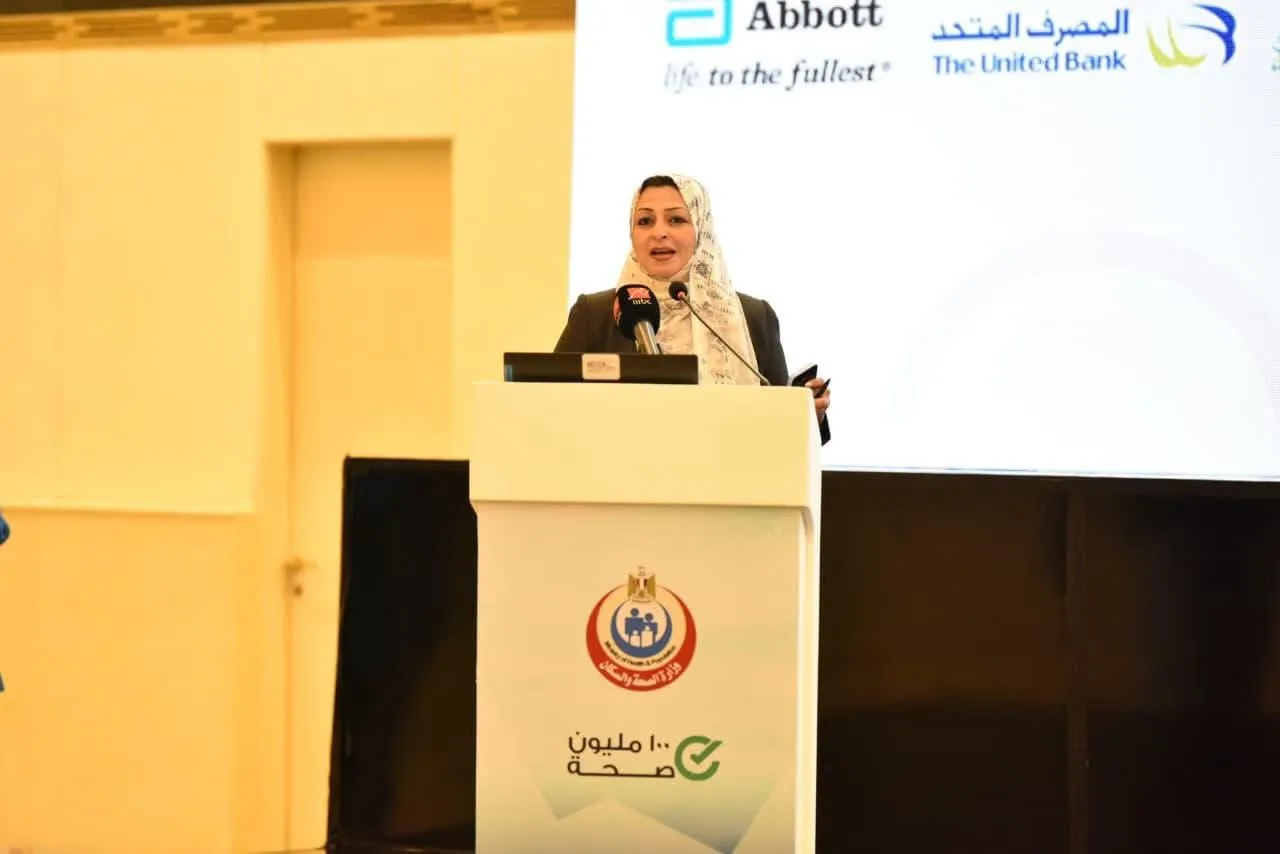
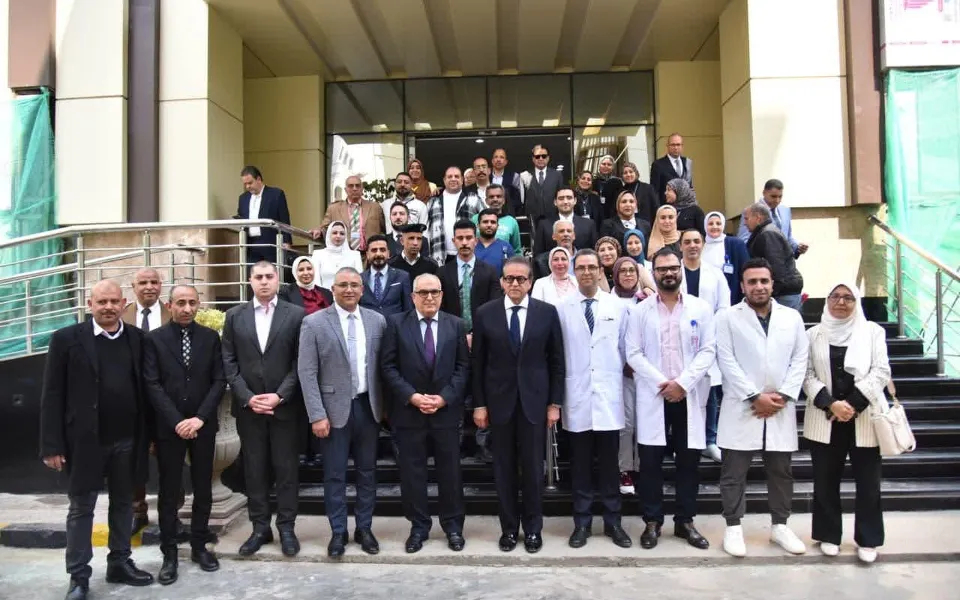
Dr. Khaled Abdel Ghaffar, Minister of Health and Population, today, Monday, attended the official launch of the President of the Republic's Initiative for the "Care of Children with Diabetes", part of the package of presidential public health initiatives under the slogan "100 Million Healthy Lives".
The Minister referred to the unlimited support provided by His Excellency President Abdel Fattah El-Sisi to the health sector and to the presidential initiatives, particularly the initiative for the care of children with diabetes, stressing that his directives were decisive in providing all the necessary means of support to the beneficiary children and ensuring the sustainability of the services provided
to them.
Dr. Khaled Abdel Ghaffar stressed that type 1 diabetes is one of the health challenges that directly affect the lives of children and their families, noting that about 55,000 children in Egypt aged from birth to 18 years suffer from the disease, with the resulting health, psychological and social burdens on the children and their families.
The Minister of Health and Population noted that the initiative helps ease the suffering of children by providing modern continuous glucose monitoring devices, which spare the child more than 3,650 finger pricks a year, at a rate of 8 to 10 pricks per day, which has a positive impact on their quality of life and gives them a greater opportunity to enjoy their childhood normally, pointing out that the initial results of the initiative have shown a tangible improvement in the health indicators of the beneficiary children.
The Minister added that the success of the initiative reflects the importance of teamwork and the complementary roles of the various partner and supporting bodies, extending his thanks to all partners in success from state institutions, the banking sector, international organisations and civil society.
He pointed out that the initiative is not limited to providing medical devices, but is based on an integrated system that includes training families in the optimal use of modern technology, and providing health education and periodic follow-up for the children, in cooperation with the initiative's scientific committee and the World Health Organization.
The Minister also expressed his appreciation to all partners in success and supporters of the initiative, stressing that the care of children with type 1 diabetes has become a top priority in the work with community partners.
For his part, Dr. Nima Saeed Abid, World Health Organization Representative in Egypt, affirmed that the initiative represents a milestone in the journey of supporting and caring for children in Egypt, stressing that child health comes first among health and development priorities, and noting that type 1 diabetes is not merely a chronic medical condition, but requires an integrated and sustainable system of lifelong care, support and follow-up.
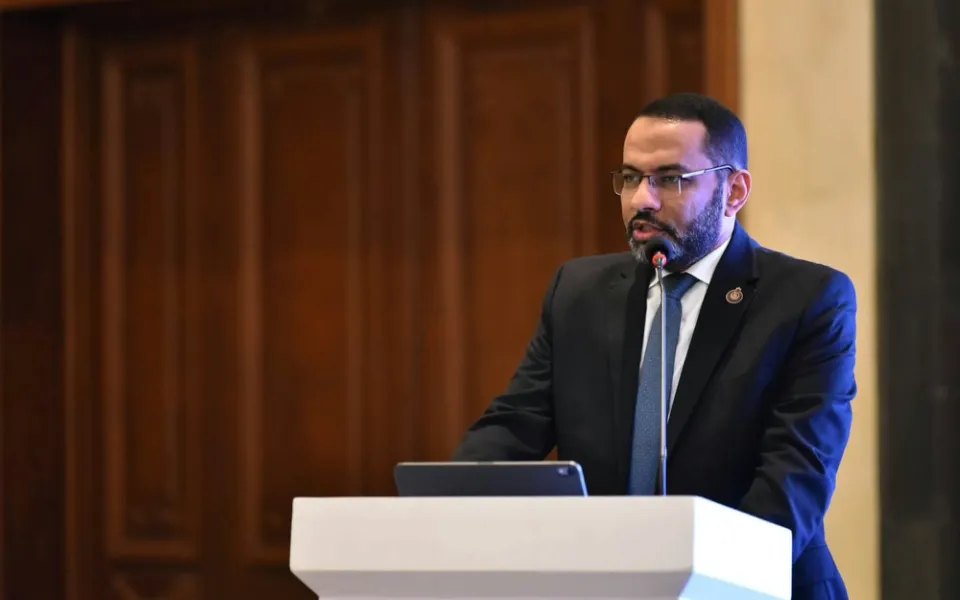
Dr. Mona Khalifa, Director General of the General Department of Initiatives, reviewed the initial results of the initiative, explaining that 143 children have been registered in the initiative, of whom 47 have completed a three-month follow-up period, noting that the rate of emergency visits fell from 1.11 to 0.08 visits per child per year, and the rate of hospital admissions fell from 0.70 to 0.08, and affirming the aim of gradually expanding the initiative to cover 8 specialised centres nationwide by the end of 2027.
In her speech, Ms. Ghada Tawfik, Sub-Governor of the Central Bank of Egypt for Corporate Social Responsibility, affirmed that this cooperation is a true model of integration between state institutions and the banking sector, noting that the Central Bank attaches great importance to supporting the health sector, believing that economic development cannot be separated from human development.
Mr. Amr El-Ganainy, Deputy CEO and Board Member of Commercial International Bank (CIB), noted that this initiative represents a milestone in the development of the healthcare system for children with type 1 diabetes, stressing that true investment begins with people, and that individuals' health is the foundation for building societies more capable of growth and stability.
For her part, Ms. Soha El-Turky, Deputy CEO of the National Bank of Egypt, said that the National Bank of Egypt pays special attention to the health sector as one of the fundamental pillars of development, expressing the bank's pride in participating in the first phase of the initiative as part of its community role.
Mr. Hossam Abdel Aal, Assistant Managing Director and Head of Corporate Finance and Syndicated Loans at The United Bank, added that the bank works as a national partner in supporting human development efforts, noting its contribution to implementing more than 22 health initiatives targeting the groups most in need of care.