
Deputy Minister of Health Chairs Meeting of the National Committee for Non-Communicable Diseases.
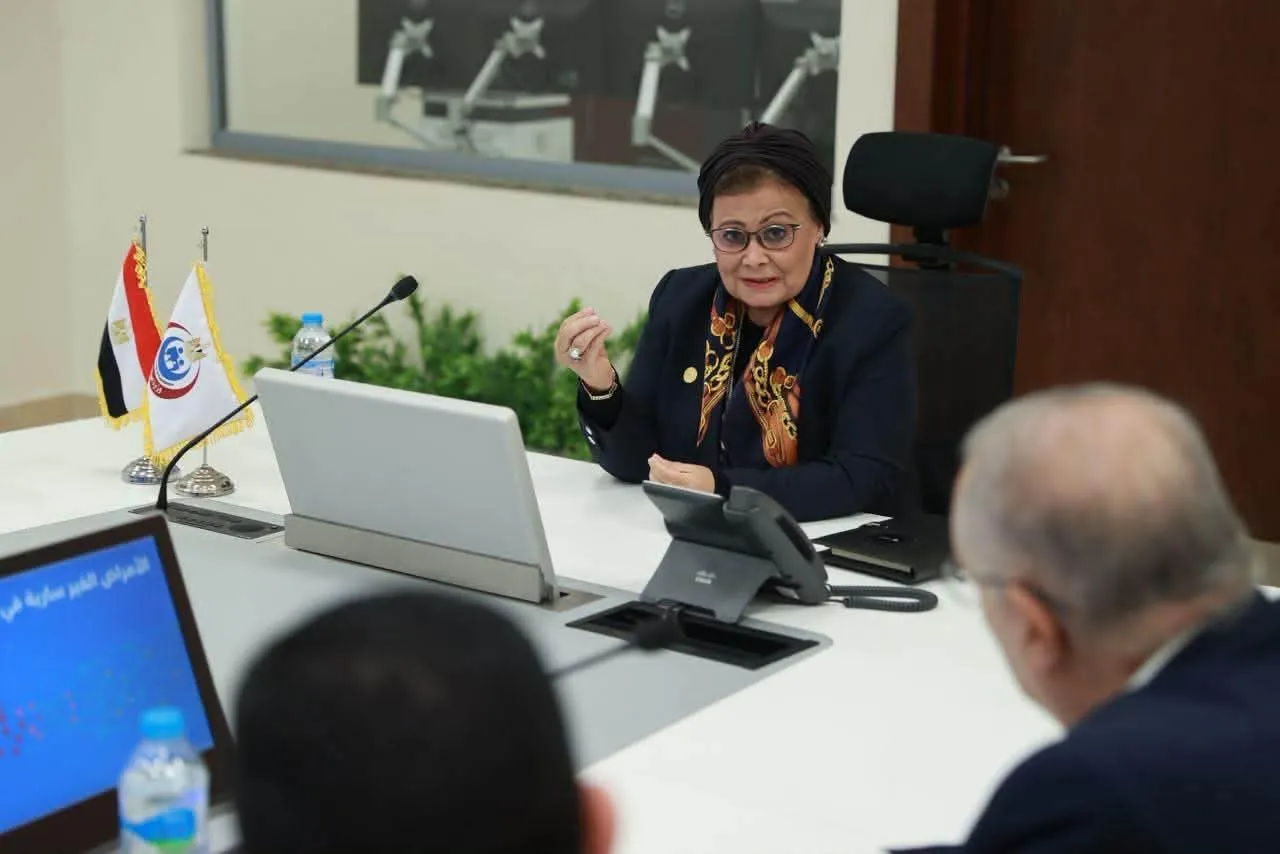
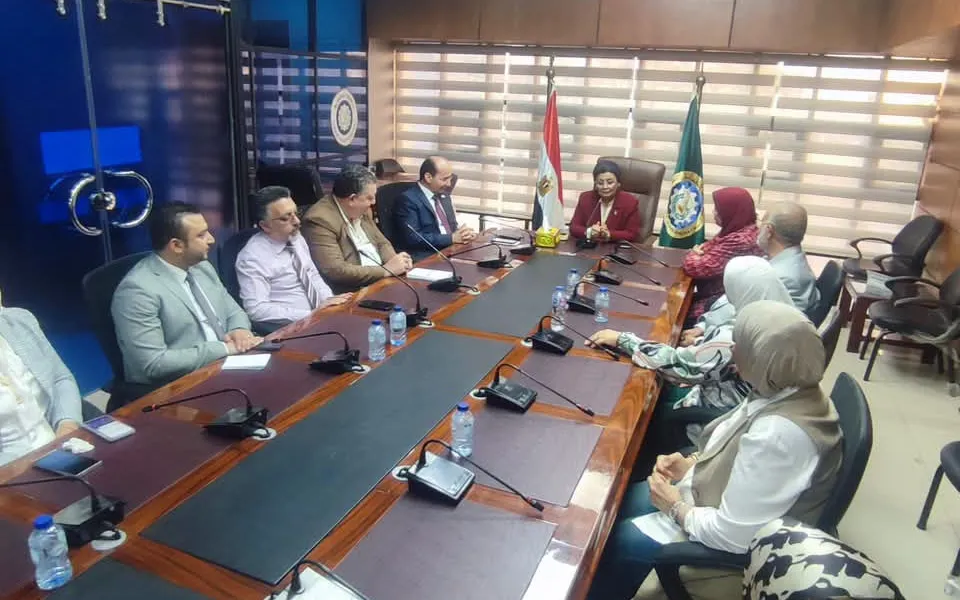
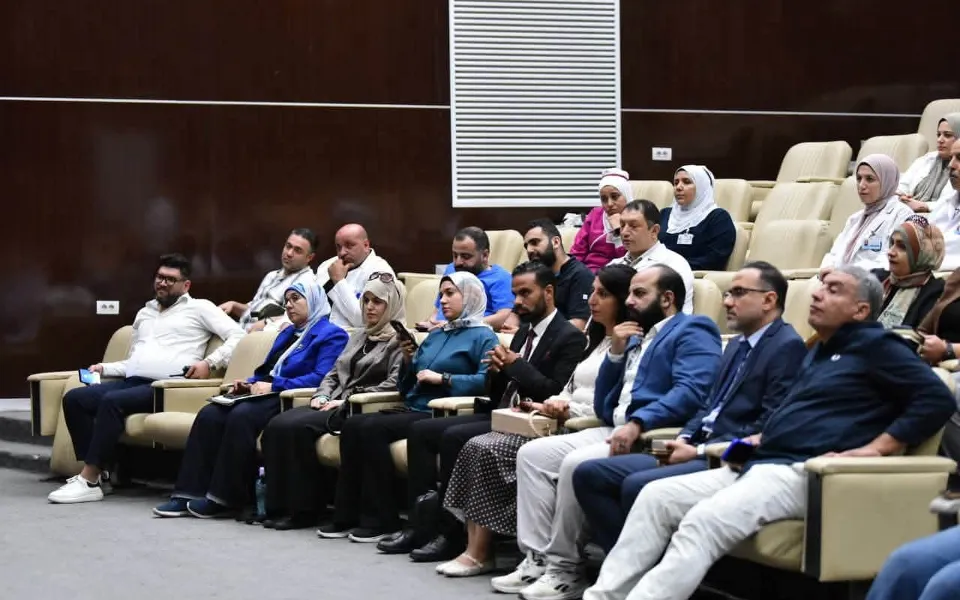
Dr. Abla El-Alfy, Deputy Minister of Health and Population, chaired the meeting of the National Committee for Non-Communicable Diseases to review the unified national vision for combating these diseases and achieving healthy longevity within the framework of Egypt's 2030 strategy, in the presence of Dr. Mohamed Hassany, Assistant Minister of Health for Public Health Initiatives, and Dr. Hisham El-Hefnawy, Head of the National Committee for Chronic Non-Communicable Diseases, and with broad participation from the Ministry's leadership, the National Scientific Committee, the primary health care and presidential initiatives sectors, and representatives of universities, international organizations and civil society.
The meeting aimed to move from separate efforts and programs to a unified, integrated national movement to combat non-communicable diseases during the period from 2026 to 2030, through a clear roadmap, measurable indicators and periodic follow-up mechanisms every three months.
Attendees stressed that these diseases represent one of the biggest health challenges in Egypt, as they contribute to about 86% of all deaths, making their prevention and the control of risk factors a national priority.
The meeting reviewed current indicators and targets through 2030, which include reducing premature deaths linked to non-communicable diseases by 30% to reach about 18.8%, reducing the prevalence of high blood pressure to 22.1%, stabilizing the prevalence of diabetes and preventing its increase, tackling rising obesity rates that are approaching 40%, reducing tobacco consumption by 30% and reducing physical inactivity by 15%, while discussing the inclusion of mental health and dementia among the national indicators.
Dr. Abla El-Alfy stressed that the coming phase requires abandoning fragmentation and moving to a unified national vision, while expanding the implementation of control programs in about 5000 primary health care units nationwide, ensuring that citizens in all governorates, border areas and the neediest villages obtain integrated services.
She emphasized building a care system based on three levels, starting with the family physician, then the specialist and up to the consultant, while expanding telemedicine and investing in human resources by developing the career path of family physicians and launching a two-year family medicine diploma, as well as the selection of Egypt as a regional model in self-care and home care.
For his part, Dr. Mohamed Hassany stressed the need to close the gap between early detection and continuous treatment, and to enable primary care units to provide treatment and follow-up for about 70% to 80% of patients with high blood pressure and diabetes, along with establishing the General Directorate for Non-Communicable Diseases to govern the file and moving to a patient-centered care model.
Dr. Hisham El-Hefnawy stressed that the goal goes beyond detecting the disease to preventing complications through a continuous system of follow-up and treatment, emphasizing the role of the family physician and the physician on compulsory service as the first line of defense.
The meeting put forward executive proposals, including establishing a national electronic portal for training and continuing education in cooperation with the Egyptian Health Council and the Princess Fatma Academy, and developing media messages under the slogan “Hanetghayar” (“We Will Change”).
Attendees agreed on recommendations, most notably forming a national technical committee to prepare the unified roadmap, adopting the national targets for 2030, rolling out services to about 5000 health units, developing the digital portal and the self-care model, making primary care the main cornerstone, ensuring the sustained availability of blood pressure and diabetes medicines, and activating quarterly follow-up to measure achievement and carry out corrective interventions.