
Deputy Minister of Health Inspects Medical and Educational Facilities in Dakahlia and Affirms: Prevention Before Treatment Is the Foundation for Building Healthier Generations.
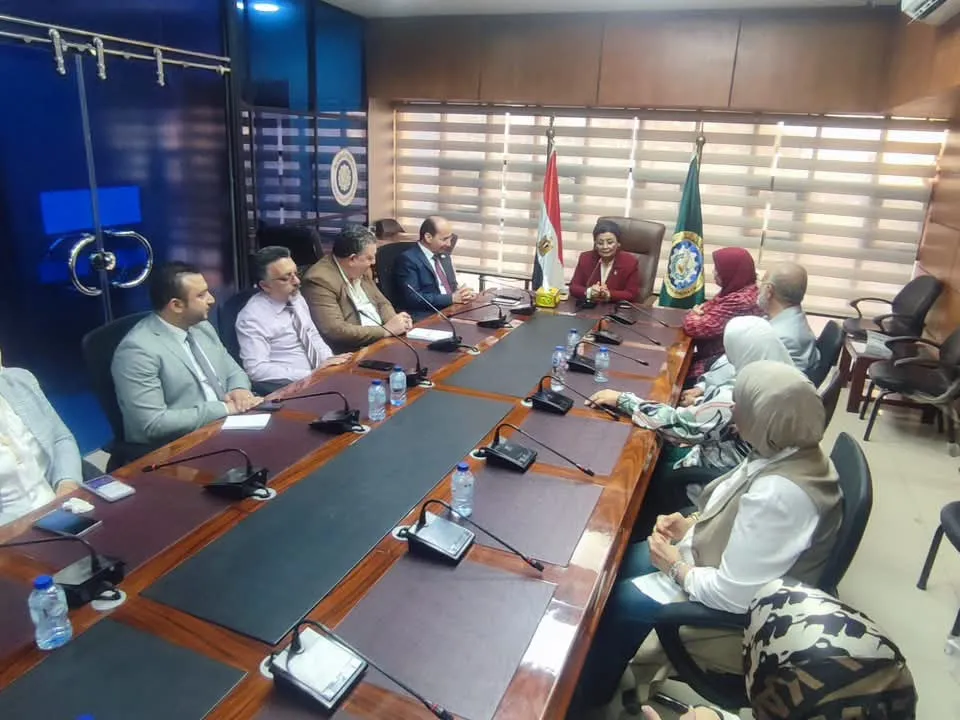
Dr. Abla El-Alfy, Deputy Minister of Health and Population for Population Affairs and Family Development, made a field visit to Dakahlia Governorate, accompanied by Dr. Hamouda El-Gazzar, Undersecretary of the Ministry in the governorate, which included a number of educational and medical facilities as well as participation in scientific events and meetings with executive leaders and medical teams to discuss ways to improve maternal and child health and population indicators, within the framework of the directives of Dr. Khaled Abdel Ghaffar, Minister of Health and Population, to strengthen integration between the health and academic sectors.
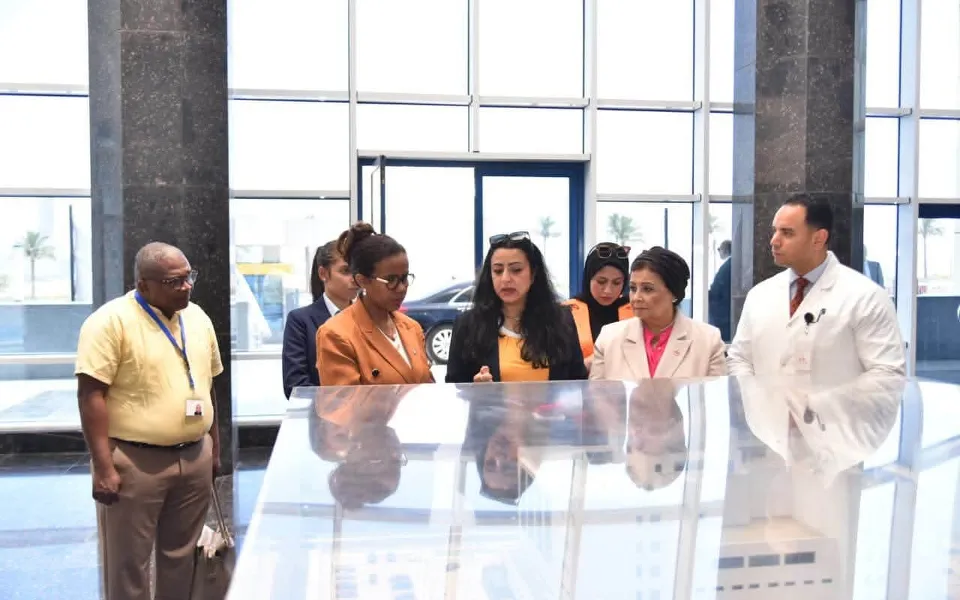
The Deputy Minister began her tour with a visit to the Faculty of Medicine at Mansoura University, where she was received by Dr. Ashraf Shoma, Dean of the Faculty, who accompanied her on an inspection tour that included the postgraduate studies sector, the skills lab, the faculty members' hall, the lecture theaters, the students' labs and halls, the examination hall and the liver unit; she praised the development the faculty has witnessed in its educational infrastructure and training capabilities, while the Dean affirmed the institution's keenness to develop the medical education and training system according to the latest standards, in line with the State's vision for upgrading the health sector.
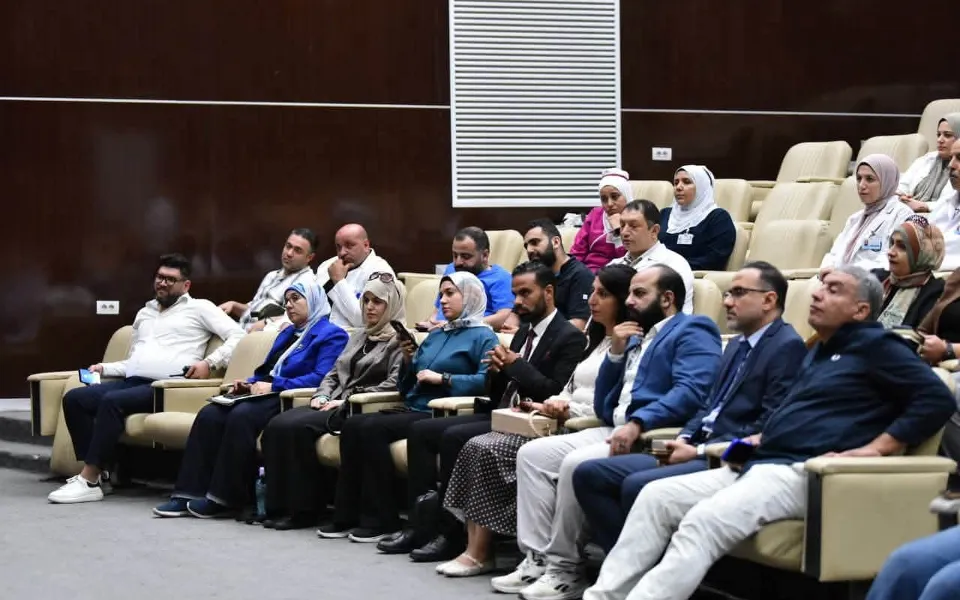
Dr. Abla El-Alfy took part in the opening session of the first conference of the Genetics and Metabolism Unit at the Mansoura University Children's Hospital, in the presence of Dr. Tarek Ghalwash, Vice President of the University, affirming that pediatrics in Egypt is witnessing a shift from treating disease after it appears to predicting and preventing it, which helps reduce disabilities and chronic diseases, and that the Ministry, with the full support of the Minister, is adopting the strategy of “prevention before treatment” as the main pillar for improving child health, noting that the journey of building a healthy child begins at the premarital stage, through pregnancy, then childhood and school, and stressing the importance of investing in the first thousand days of a child's life, strengthening integration between university education and the health system, training on natural childbirth, and linking reproductive health services to the genetics and early detection file.
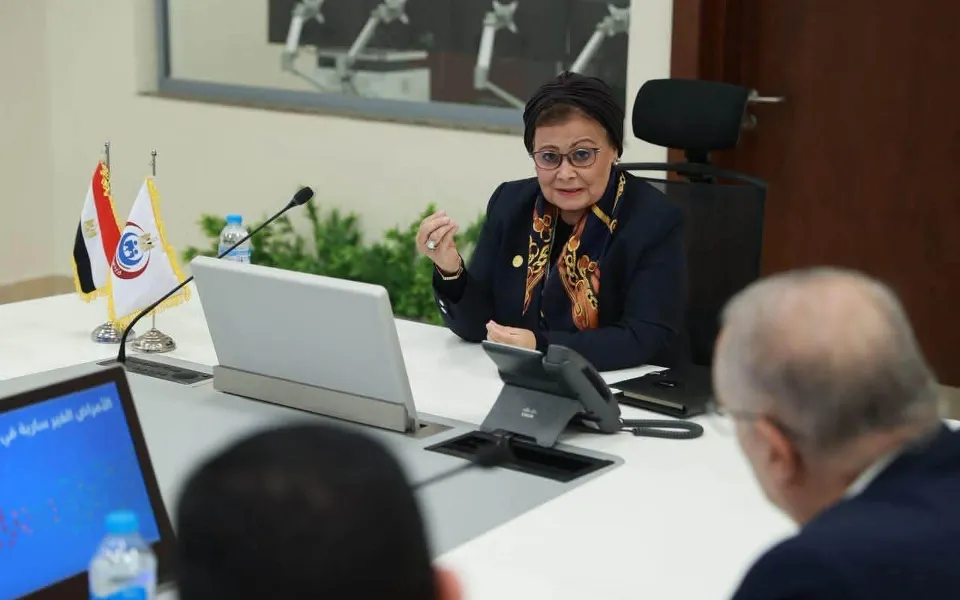
The Deputy Minister held the meeting of the Regional Population Council in Dakahlia Governorate in the presence of Major General Tarek Marzouk, Governor of Dakahlia, where she reviewed the most prominent population indicators, affirming that reducing maternal and neonatal deaths, promoting natural childbirth, limiting unplanned pregnancies and reducing cesarean section rates are the current work priorities, noting that the rate of use of postpartum family planning methods reached 63.4% during 2026, and calling on all bodies to join forces to raise awareness, while the Governor affirmed the governorate's keenness to cooperate fully with the Ministry in implementing the National Population Strategy and supporting efforts to improve maternal and child health indicators.
She also held a meeting with the Assistant Head of the Dakahlia Doctors' Syndicate and doctors from obstetrics and gynecology and neonatology departments at non-governmental medical institutions and Ministry hospitals, during which she reviewed the guidelines regulating the work, the tasks of the committee for reducing cesarean deliveries, the importance of expanding the role of midwives, strengthening the application of medical liability standards and upgrading the incubator system, stressing the need for accurate registration of neonatal deaths and analysis of their causes and for expanding the insertion of postpartum family planning methods; the meeting witnessed an extensive discussion of the most prominent challenges and ways to develop services.
She also held a meeting with the governorate's pharmacists, during which she reviewed the importance of the population file and the role of pharmacists in supporting the State's efforts to raise health awareness, affirming that the pharmacist is one of the service providers closest to citizens and a key partner in spreading health education and promoting awareness of reproductive health and family planning.
She also inspected Mansoura International Hospital, where she visited the observation room, the obstetrics and gynecology department and the delivery room, and directed that the training of medical teams on natural childbirth skills be intensified, in implementation of the Ministry's direction to reduce unjustified cesarean section rates; she inspected the incubator unit and directed that it be quickly reinforced with the necessary medical staff, foremost among them a pediatrician, to ensure higher efficiency of the services provided to newborns, affirming the continuation of field follow-up to develop health services and improve the quality of care provided to citizens.