
Deputy Minister of Health Follows Up on the Implementation of the National Population Strategy in Ismailia and Stresses the Importance of Investing in Youth and Improving Maternal and Child Health.
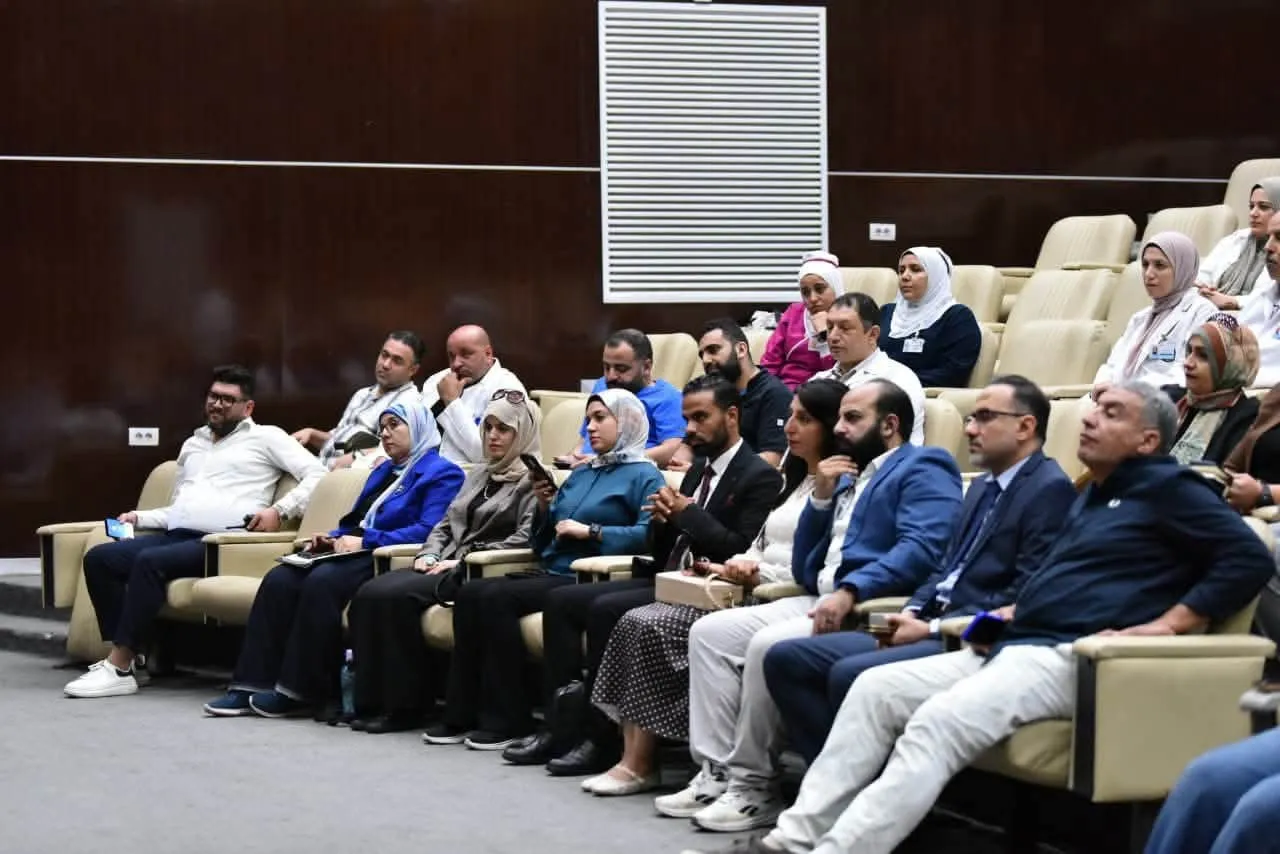
Dr. Abla El-Alfy, Deputy Minister of Health and Population, made a field visit to Ismailia Governorate in the presence of Dr. Reem Mostafa, Undersecretary of the Ministry in the governorate, to follow up on performance indicators, strengthen efforts to improve population characteristics and review mechanisms for developing the health services provided to citizens, within the framework of the directives of Dr. Khaled Abdel Ghaffar, Minister of Health and Population, to strengthen the implementation of the National Strategy for Population and Development and improve the quality of health services.
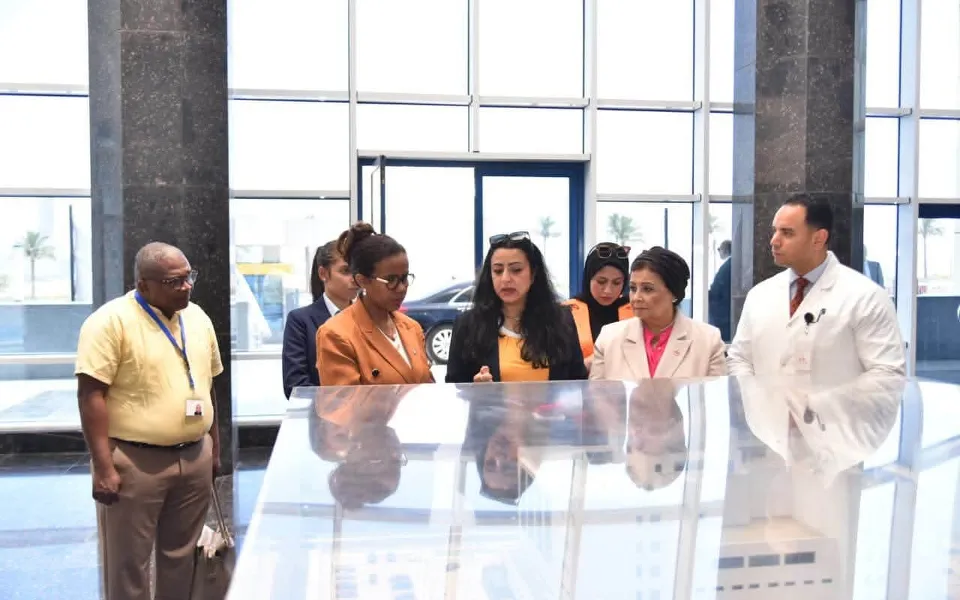
During her meeting with young global ambassadors as part of the activities of the National Gamification Camp at the Training and Innovation Center in Ismailia Governorate, in the presence of a delegation from the Russian nuclear energy company Rosatom, the Deputy Minister affirmed that Egypt is going through one of the most important stages of comprehensive development with the support of the political leadership and the government, which calls for investing in human development, especially young people, as the main pillar for achieving sustainable development.
She explained that gamification, which is the use of game elements such as points, challenges and rewards in non-entertainment contexts, is an innovative and effective tool for bringing about positive change in young people's behavior, developing their skills and enhancing their awareness of societal issues, noting the State's interest in investing in people from childhood through youth to build generations capable of leading the development process.
The Deputy Minister witnessed the honoring of a number of participating young people and inspected interactive awareness activities and games, affirming the importance of employing innovation and gamification methods in developing young people's capabilities and enhancing their active participation in supporting the State's efforts to achieve sustainable development.
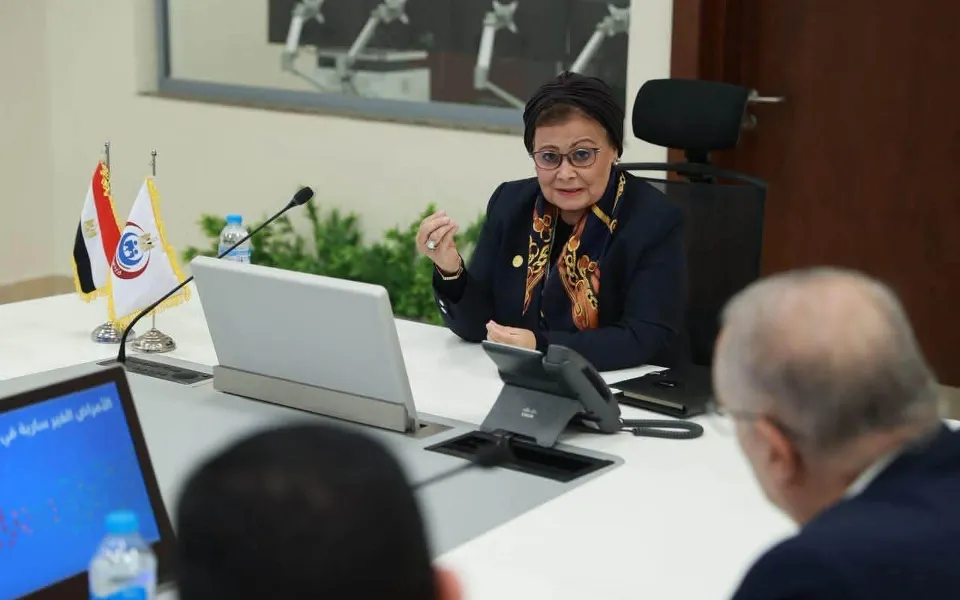
Dr. Abla El-Alfy held a meeting with obstetricians and gynecologists, pediatricians and neonatal departments at hospitals, during which she reviewed the guidelines for managing natural childbirth, stressing the importance of adhering to them to improve the quality of health services provided to mother and child. The meeting addressed the causes of neonatal deaths, which call for reviewing medical practices, changing some concepts and raising awareness among medical teams, in addition to discussing the most prominent challenges facing the health system in the governorate and mechanisms for developing practical solutions to overcome them.
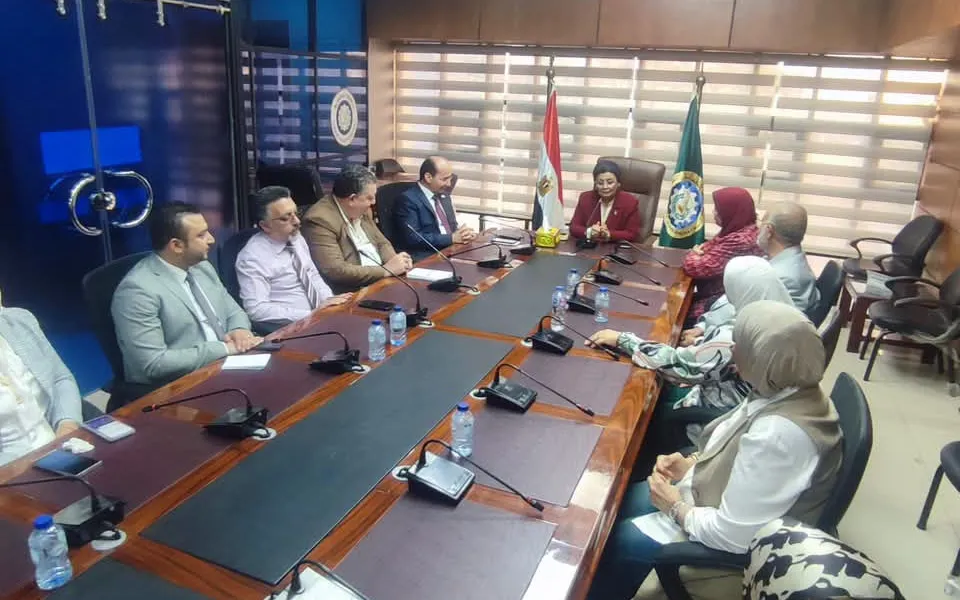
The Deputy Minister also held the meeting of the Regional Population Council in the governorate, chaired by Major General Nabil El-Sayed Hasballah, Governor of Ismailia, where she reviewed the pillars of the National Strategy for Population and Development (2023–2030) and the urgent plan for its implementation during the period (2025–2027), affirming the progress achieved in reducing the number of red zones, in addition to reviewing efforts to implement the Golden 1,000 Days initiative and the National Program for Egyptian Family Development, contributing to improving population characteristics and upgrading reproductive health indicators.
She reviewed a number of population indicators in the governorate, including the crude birth rate of 18.3, the results of the Egyptian Family Survey, the rates of use of family planning methods and the cesarean section rate, which reached 51% and continues to decline, affirming that the most prominent challenges targeted by the executive plan are limiting unjustified cesarean sections, reducing unplanned pregnancy rates and reducing neonatal deaths and complications.
For his part, Major General Nabil El-Sayed Hasballah, Governor of Ismailia, stressed the need for all concerned bodies to join forces to confront the population and health challenges in the governorate, emphasizing the importance of setting new, applicable executive mechanisms and procedures that contribute to solving existing problems and achieving the State's targets.
Dr. Abla El-Alfy held a meeting with the team of the Healthcare Authority branch at the Medical Complex, headed by Dr. Mohamed Gebril, Director of the branch, and in the presence of a number of Ministry leaders and doctors of the complex, where she stressed the need to speed up the completion of the Universal Health Insurance system and close all gaps that may affect the quality of health services, ensuring the provision of integrated health care to citizens.
She emphasized the importance of improving maternal and child health indicators, expanding natural births, limiting unjustified cesarean sections and supporting breastfeeding for its role in preventing stunting, obesity and anemia, in addition to enhancing the availability of long-acting family planning methods such as the implant and the IUD by providing them inside operating rooms, stressing the importance of preparing an accurate database of women of childbearing age to support the achievement of the State's population targets by 2027, and of paying attention to the health of the elderly and improving their health indicators.