
Deputy Minister of Health Continues Her Tour of Matrouh to Develop Primary Care and Reduce Cesarean Section Rates.
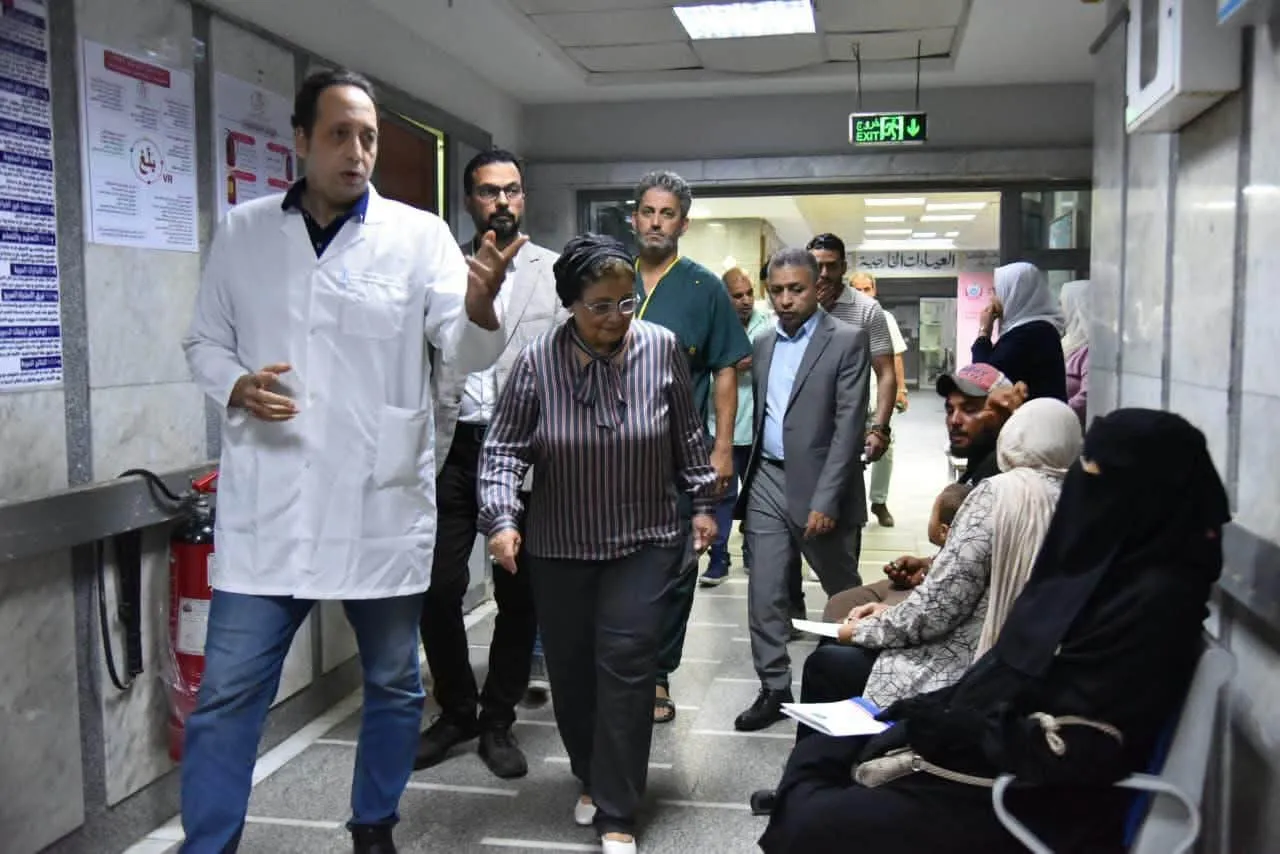
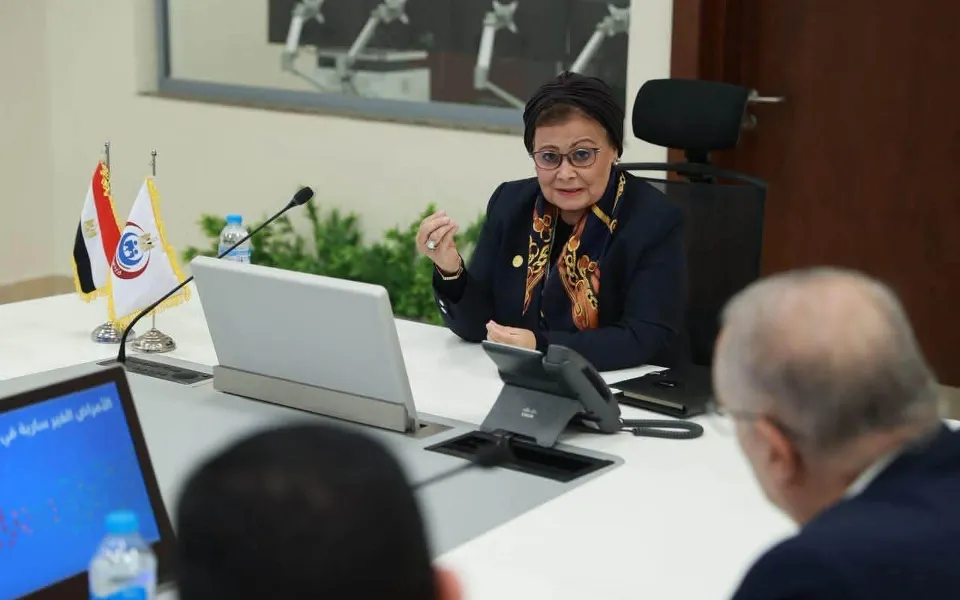
Dr. Abla El-Alfy, Deputy Minister of Health and Population, continued her field tour of Matrouh Governorate by holding extensive meetings with health leaders and heads of obstetrics and gynecology departments and inspecting a number of health facilities, to follow up on the development of primary care services and maternal and child care, and to work on reducing cesarean section rates and raising the quality of services provided to citizens.
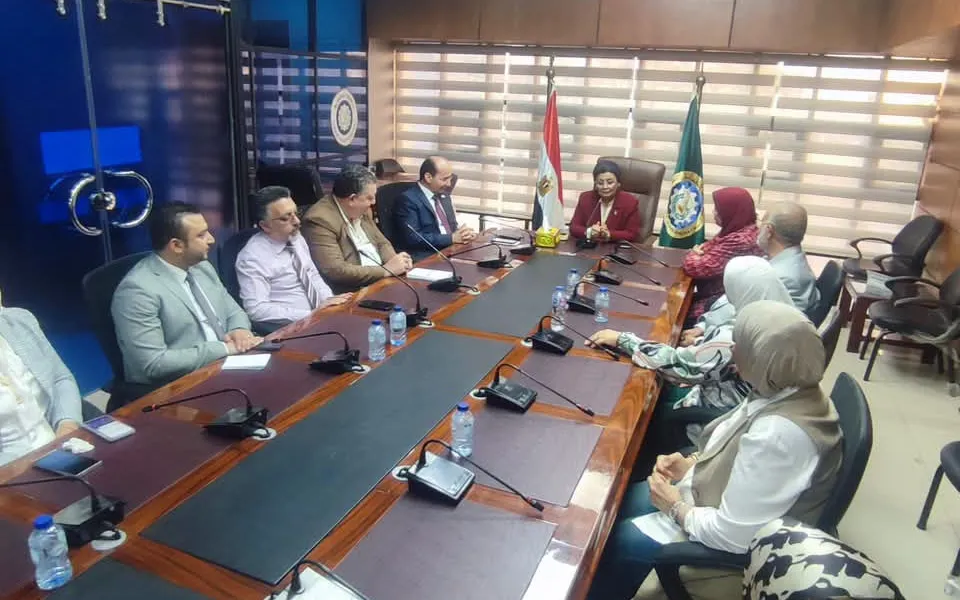
During her meeting with the leaders of the Health Affairs Directorate, the Deputy Minister reviewed the strategy for developing integrated health care, which aims to provide an integrated package of services within primary care units according to the latest international standards. This package includes newborn care and the First 1,000 Days program, nutrition, childhood diseases, school and adolescent health, combating violence, reproductive health, family planning, elderly care and mental health, within a unified system.
Dr. Abla El-Alfy stressed the importance of qualifying family physicians to provide services to all age groups through a flexible training program based on a specialized diploma and on-the-job training with periodic assessments, along with activating cooperation with Alamein International University and the Arab Academy for Science, Technology and Maritime Transport to train medical students within Ministry facilities.
She directed that all observations be addressed within 15 days, and decided to replace the director of the El Dabaa health administration and to make a deduction from the supervisory incentive of the administration team because of shortcomings, while surveying training needs and activating patient safety teams to strengthen supervision and follow-up.
The tour included an inspection of the Specialized Children's Hospital in Marsa Matrouh, where she listened to the views of visitors and directed the implementation of training programs for the family counseling room, the review of child growth standards, the application of mother- and baby-friendly incubator unit standards, the encouragement of breastfeeding and the preservation of breast milk, along with strengthening infection control measures and not starting treatment before reviewing test results.
At the Obstetrics, Gynecology and Reproductive Health Hospital, she stressed the accuracy of partograph recording and the application of the Robson classification to make the sound medical decision regarding cesarean section, with a monthly review of cases before submitting reports.
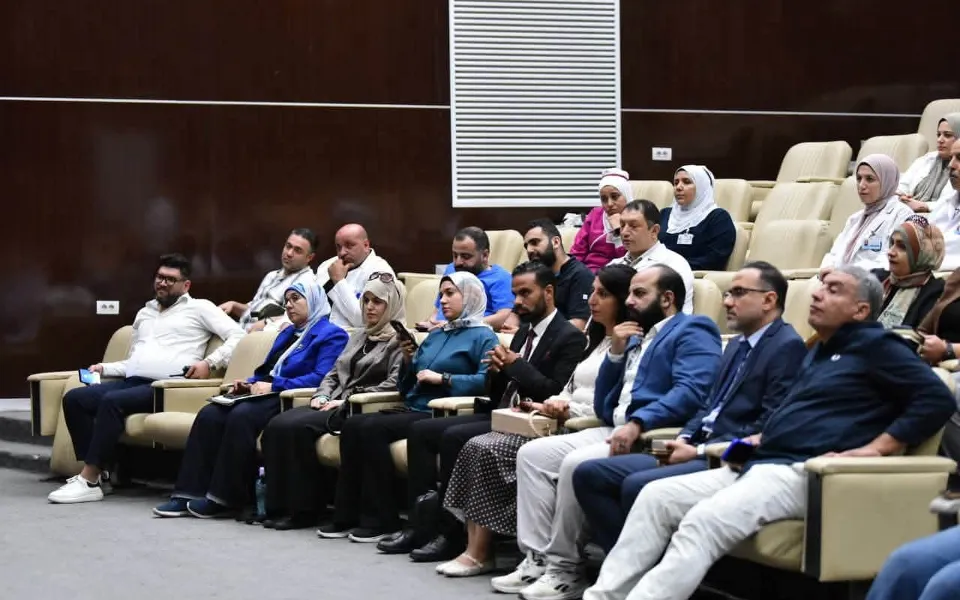
She chaired a meeting with heads of obstetrics and gynecology departments in the public and private sectors, where the hospitals presented their results. El Dabaa Hospital recorded a decrease in the cesarean section rate to 28%, having started to apply vaginal birth after a previous cesarean (VBAC), while El Alamein Hospital attributed its high rate to receiving complicated cases, and Ras El Hekma Hospital focused on postpartum family planning.
Dr. El-Alfy commented on the most prominent reasons for high cesarean rates, namely lack of time among some doctors, financial return, lack of training in natural childbirth and the spread of a social culture that favors cesarean sections. She affirmed that the Ministry is working on training midwives, establishing training centers and centers of excellence for natural childbirth, and encouraging contracting at a unified price for natural and cesarean births to curb financial motives.
She warned against performing cesarean sections in the thirty-seventh week without medical justification because of the danger to newborns, affirming the continuation of oversight and of adherence to the Robson classification and the partograph.
She praised the decline in the total fertility rate in the governorate from 4.7 to 3.2 children per woman within two years, calling for expanding the use of long-acting family planning methods.